


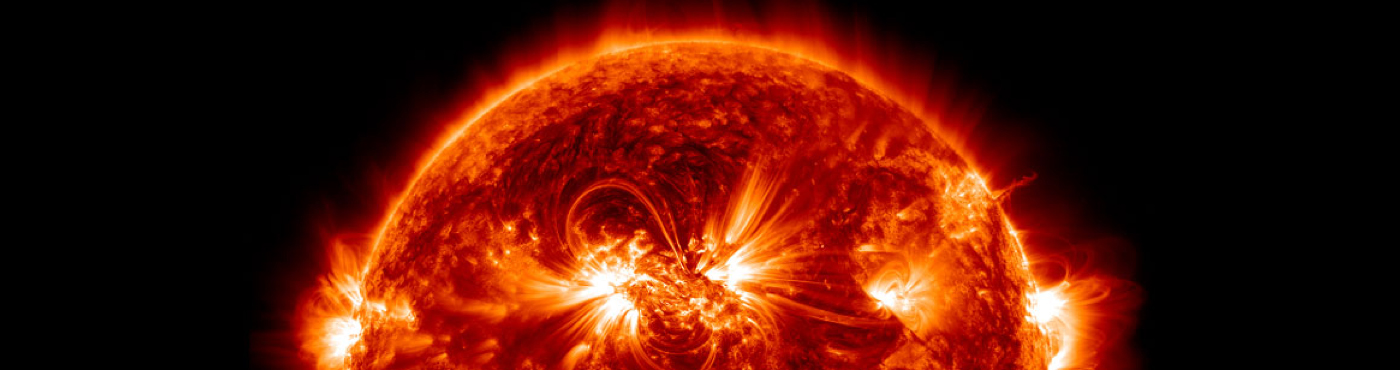
Can We Predict Solar Storms?
When you think of natural disasters, things like hurricanes and earthquakes come to mind. Though massive solar storms are far less common, they can be even more dangerous to life as we know it. The strongest storm on record, the Carrington Event in 1859, ignited fires at telegraph stations and shut down all communications on these lines. The solar flare responsible for the storm was briefly brighter than the Sun itself and caused aurora in the tropics! If a storm that strong occurred now, it could shut down power grids, communication satellites, phone lines, and radar stations around the world. That’s why being able to predict storms is crucial to giving us time to brace for the effects and minimize damage. Using data from spacecraft observing the Sun together with AI technology, NASA can now issue warnings 30 minutes before a storm will strike, as well as where effects will be the worst, and they continue to improve their capabilities. Read More
Latest News About The Sun
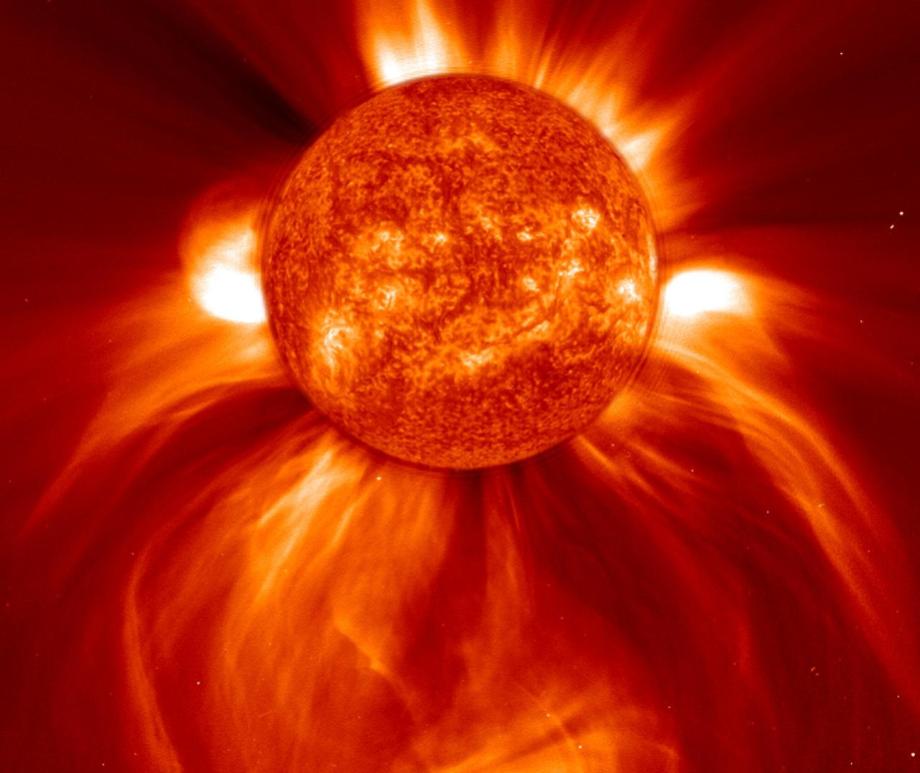
How a huge fleet of 17 spacecraft discovered something surprising about solar eruptions
August 23, 2026
Taking measurements of the same CME from different vantage points in the solar system revealed the true extent of a solar eruption. Read more
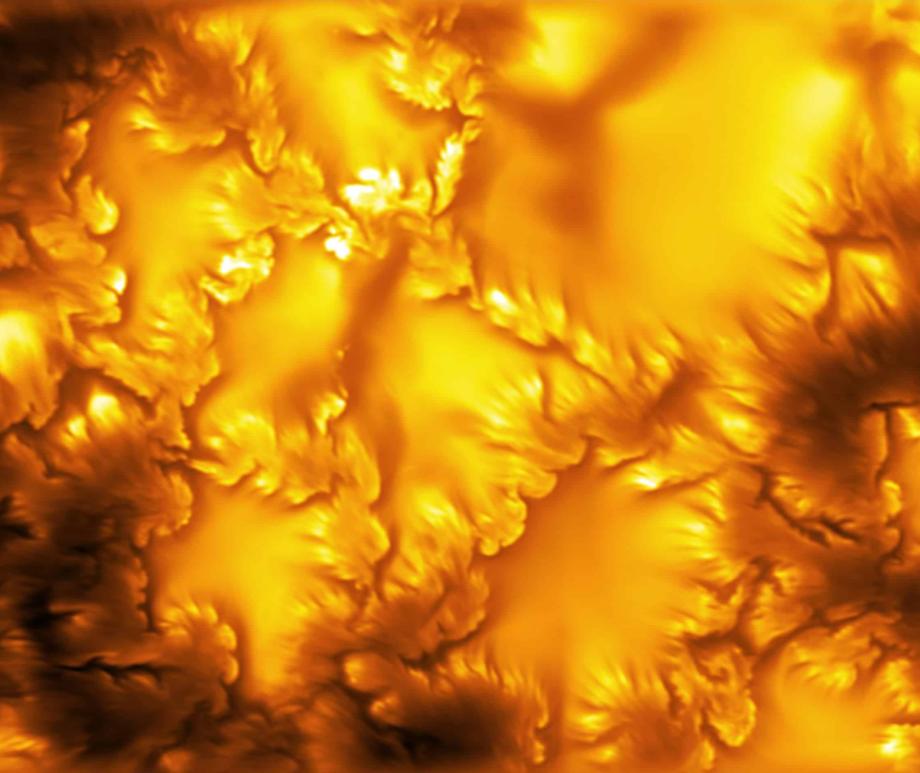
Astronomers capture highest-resolution image ever of the Sun’s surface
August 6, 2026
The picture reveals tiny plasma whirlpool-like patterns that have never been seen before Read more
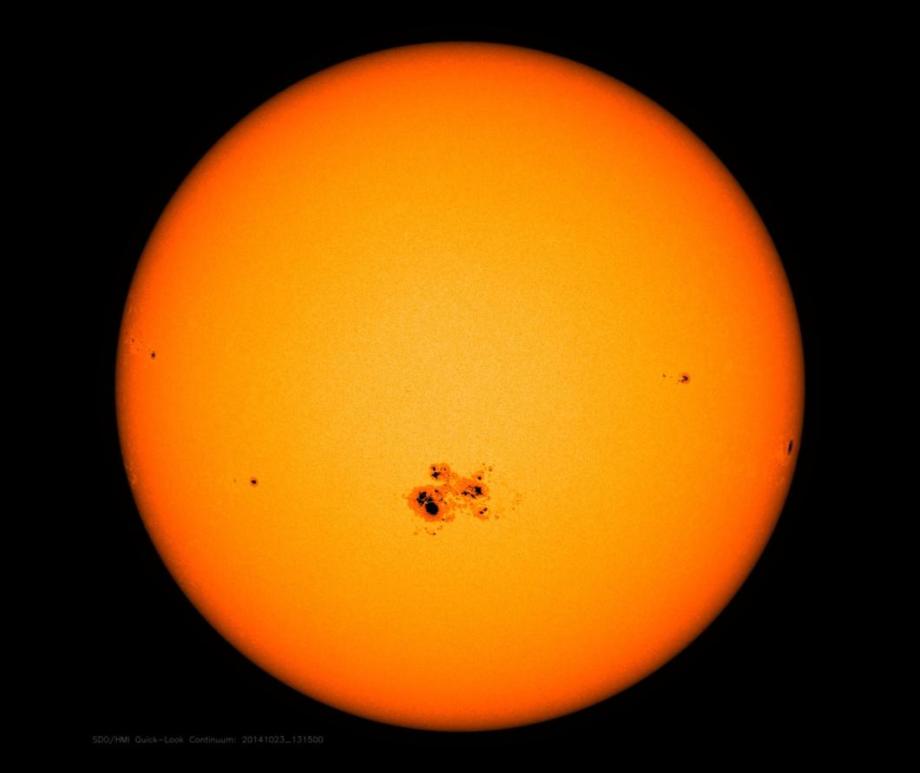
How Sun goes to 'sleep' could reveal space weather when it wakes
July 20, 2026
Scientists can predict the strength of the Sun's next activity cycle up to seven years before it reaches its peak. Read more
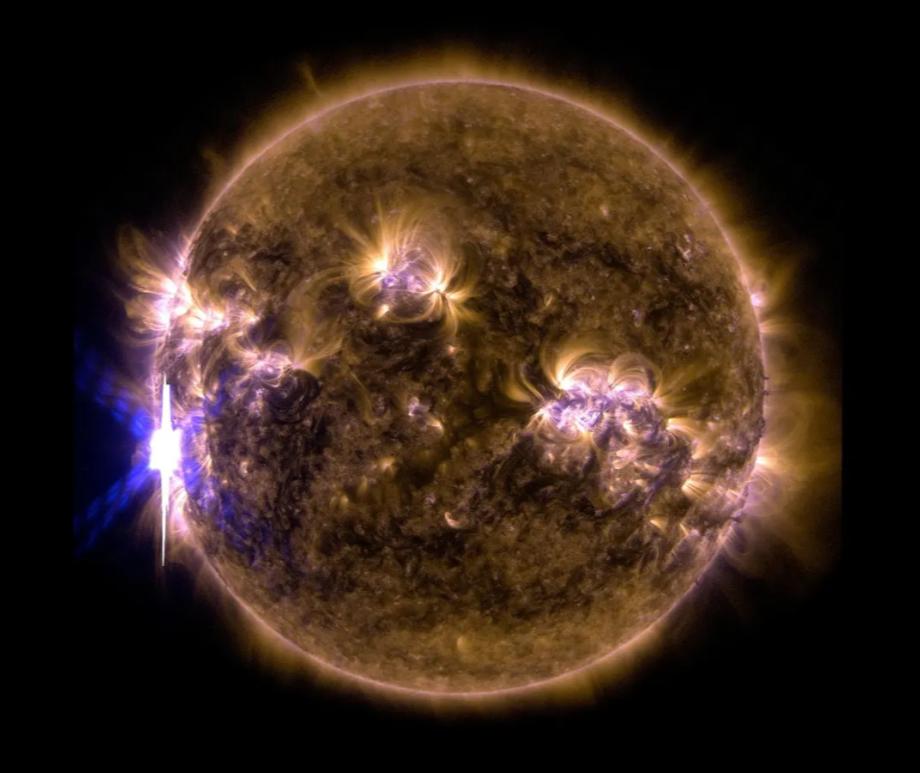
Scientists may have finally solved the mystery of the Sun's missing silver
July 23, 2026
"We hope to understand where silver is formed in the universe, and how it has been distributed throughout the Milky Way over time." Read more
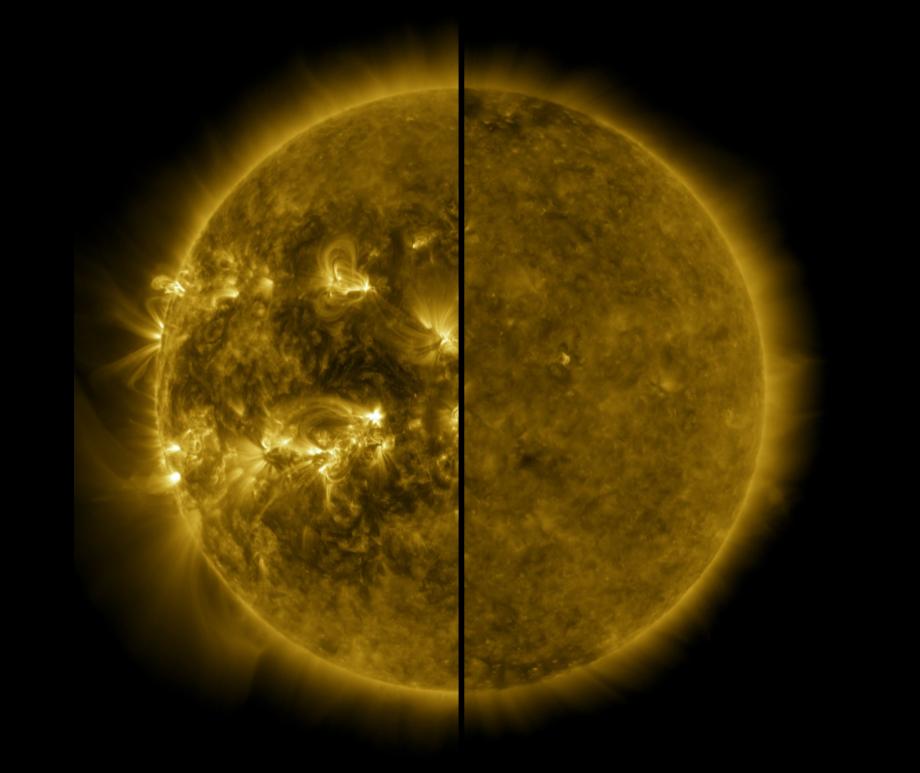
Listening to the Sun reveals previously hidden changes to solar cycle
May 27, 2026
Internal changes due to the Sun’s ‘active biorhythm’ have become increasingly ‘skin-deep’. Read more
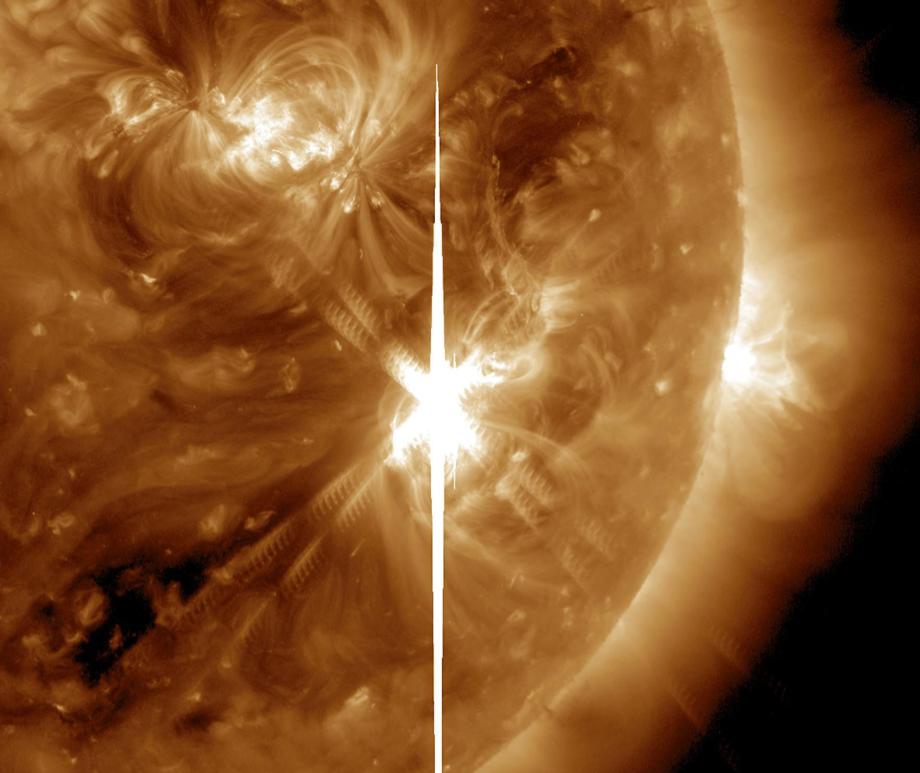
Astronomers uncover why some solar eruptions die
May 20, 2026
New multi-telescope observations show why a powerful blast never became a true mass ejection. Read more
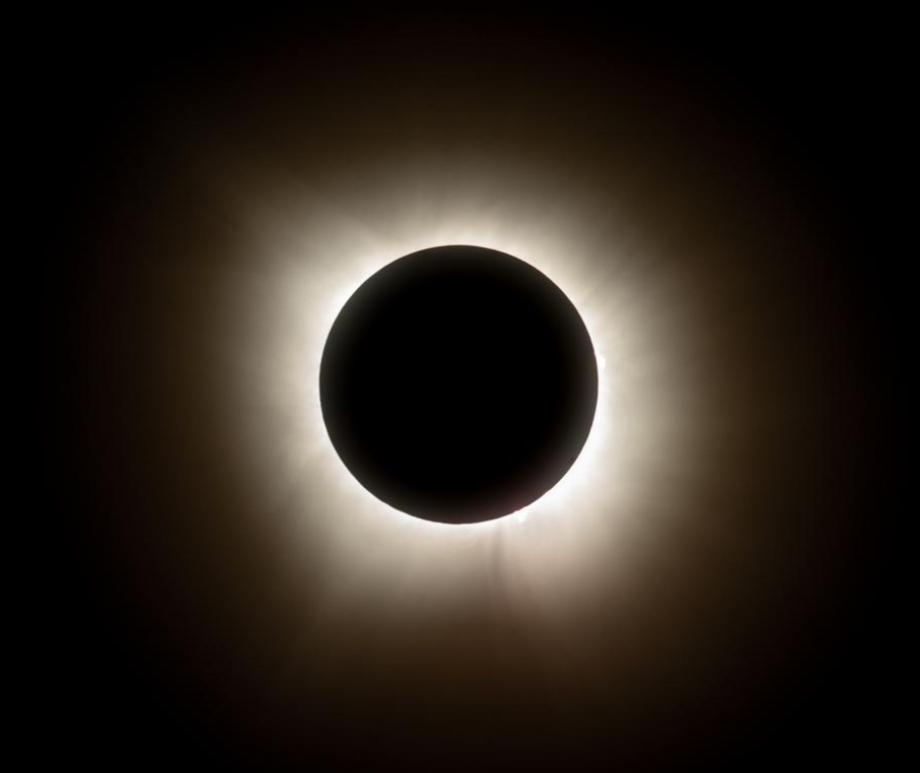
The complete story of how the Parker Solar Probe survives the Sun
April 20, 2026
Here's what its data is rewriting about stellar physics Read more
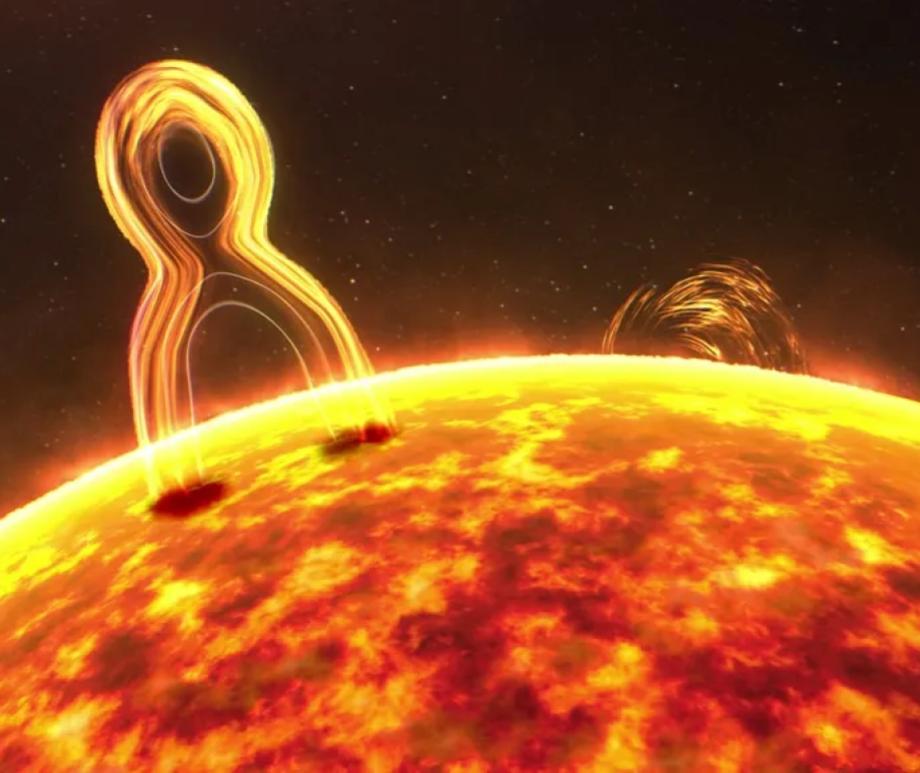
NASA’s Parker Solar Probe finds surprises in an explosion near the Sun
April 15, 2026
New observations uncover details about how these types of magnetic events flin particles to dangerous speeds. Read more
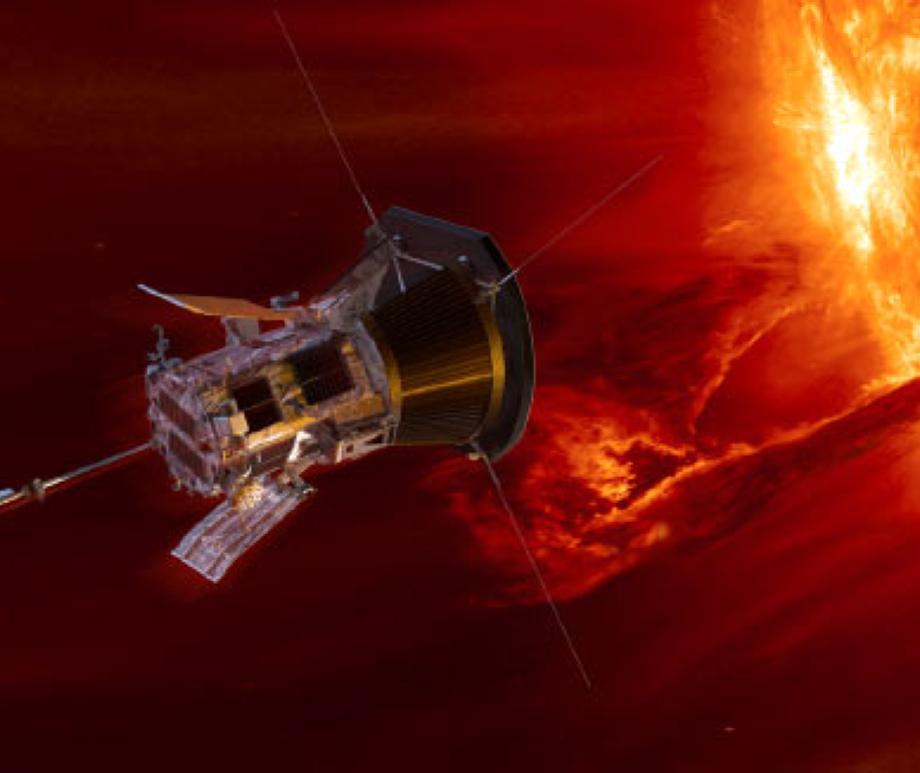
Closer look at the Sun reveals more chaotic magnetic heart
April 1, 2026
Protons and heavy ions react differently to solar events, suggesting a more intricate mechanism behind space weather. Read more
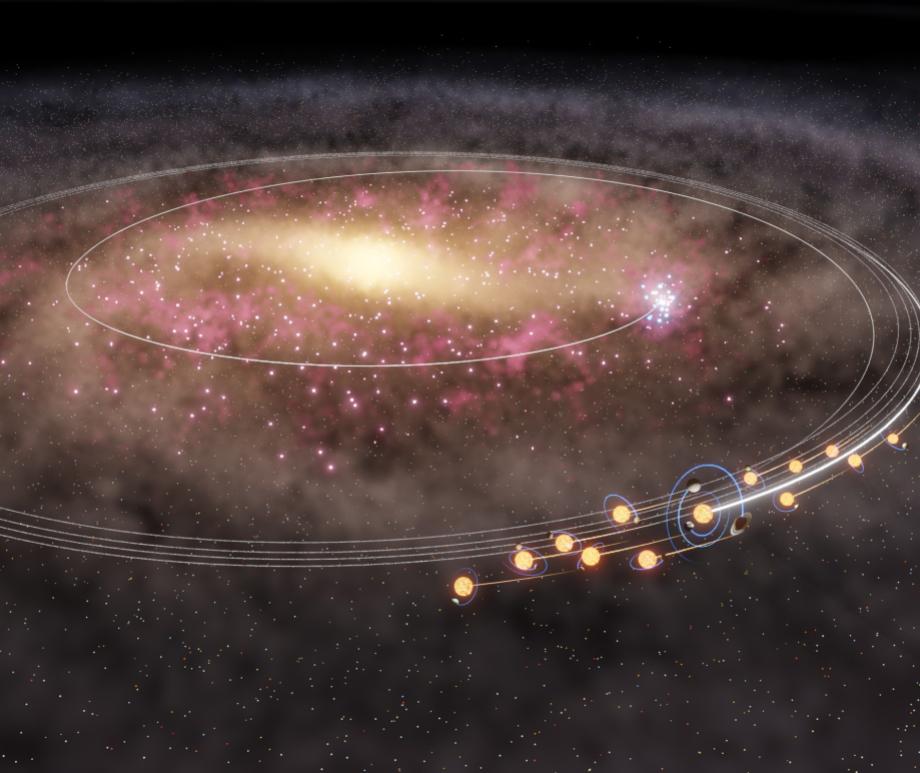
The Sun’s galactic migration may have made life on Earth possible
March 12, 2026
A new study suggests that the Sun journeyed from the middle of the Milky Way to its current position a few billion years ago. Read more
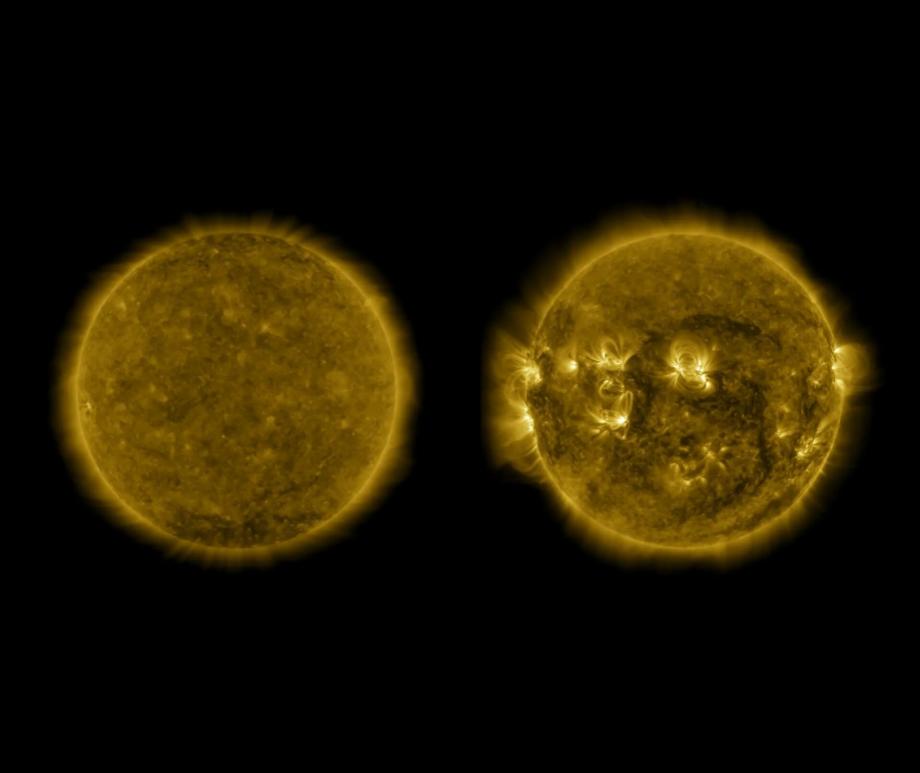
Four decades of data give unique insight into the sun's inner life
March 3, 2025
More tha n40 years of data reveal the sun's internal structure is variable. Read more
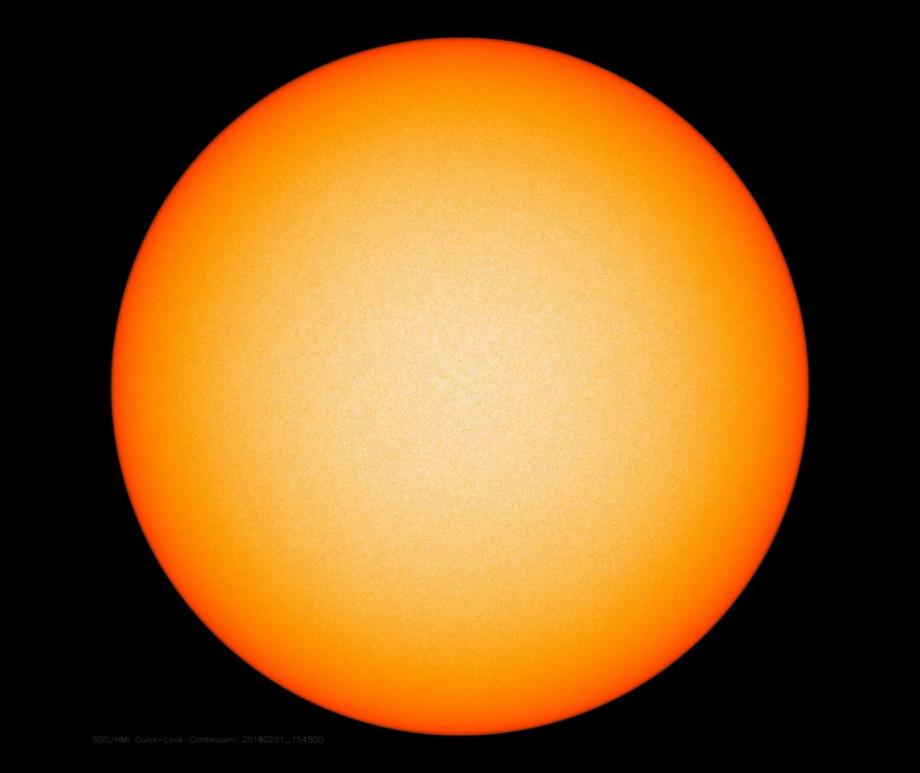
The sun hasn't looked like this since 2022, what's going on?
February 25, 2026
The last time the sun's face was perfectly spotless was on June 8, 2022, more than 1,355 days earlier. Read more
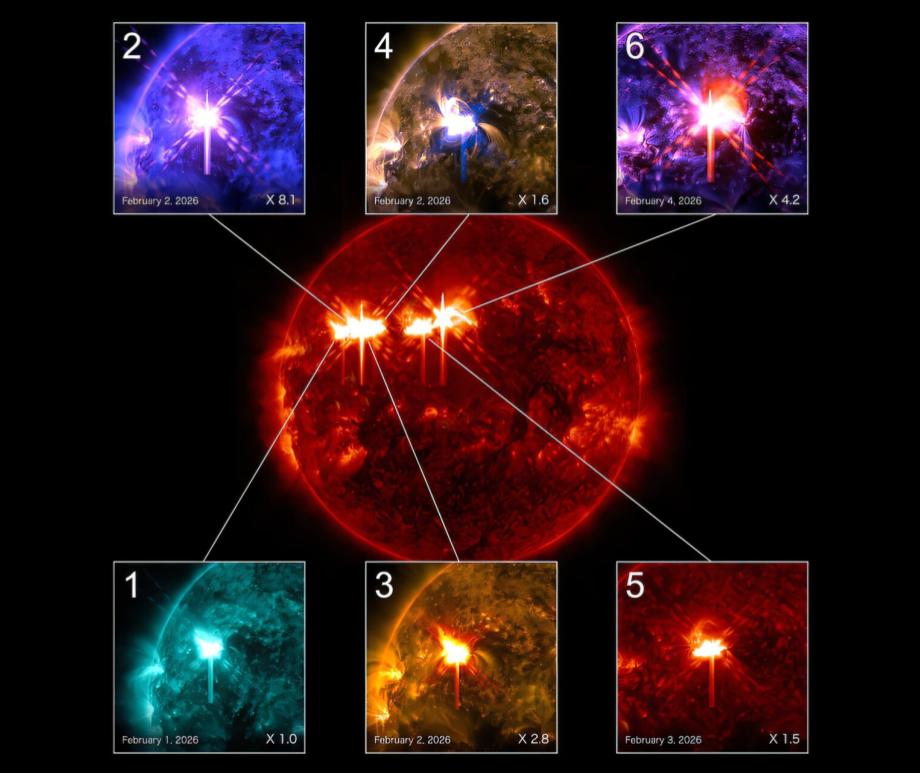
Surprise solar eruptions on sun's far side validate new forecasting method
February 24, 2026
A new system can predict when and where superflares are most likely to happen. Read more
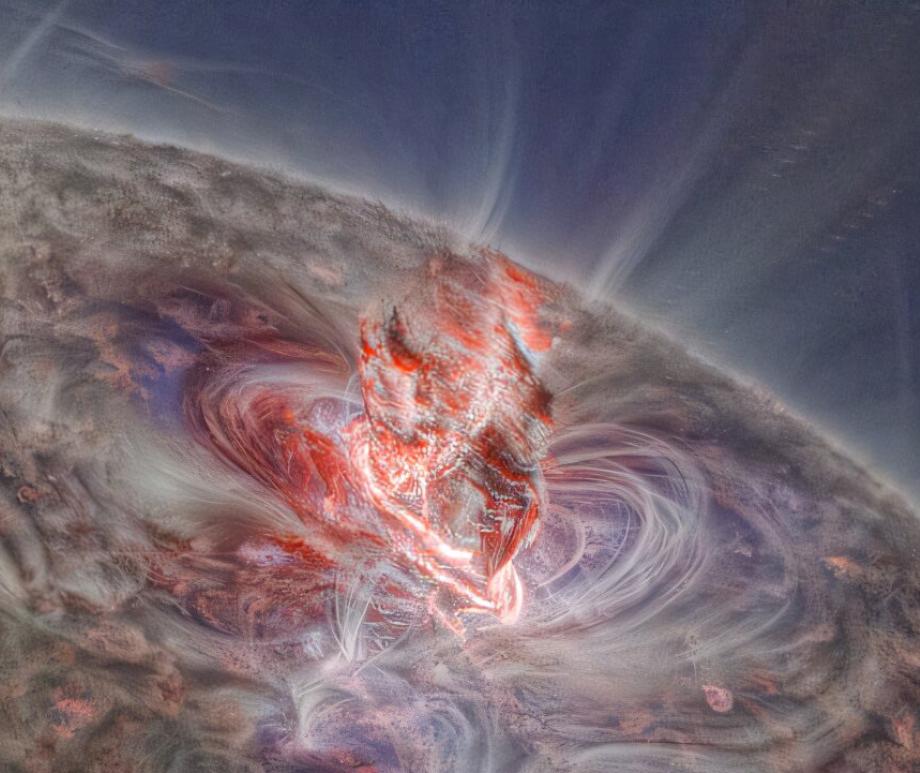
Eclipse research finds turbulent times in the sun's corona
February 18, 2026
Researchers at the University of Hawaiʻi have uncovered new clues about how energy moves through the sun's outer atmosphere. Read more
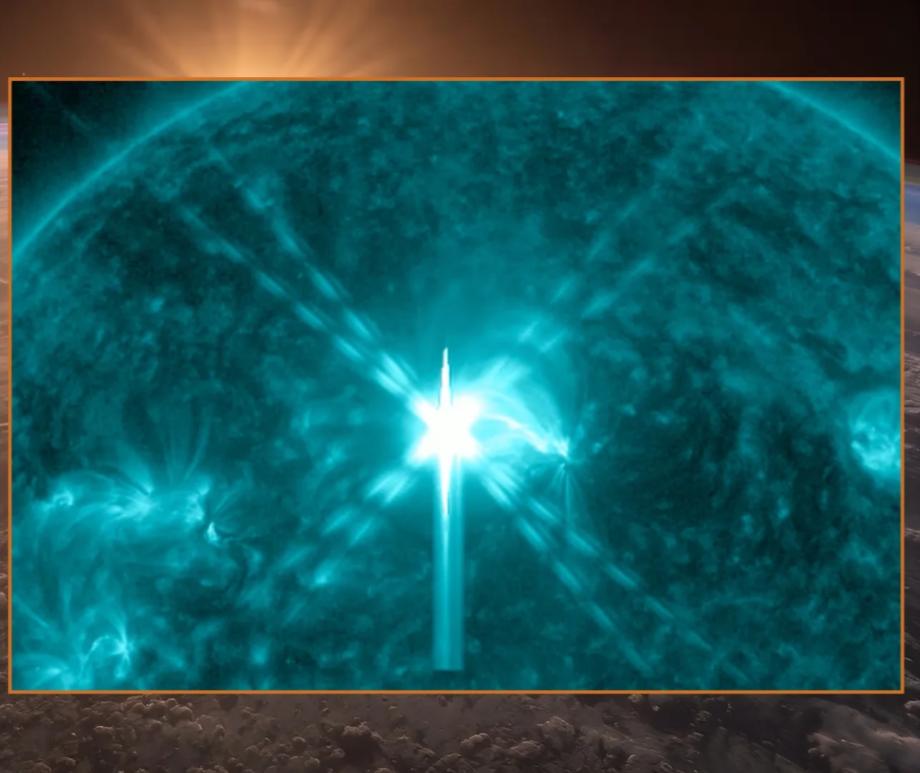
Sun unleashes colossal X4.2 solar flare, knocking out radio signals across Africa and Europe (video)
February 4, 2026
An impulsive X4.2 solar flare sparked strong radio blackouts across Africa and Europe as the giant sunspot continues to rage. Read more
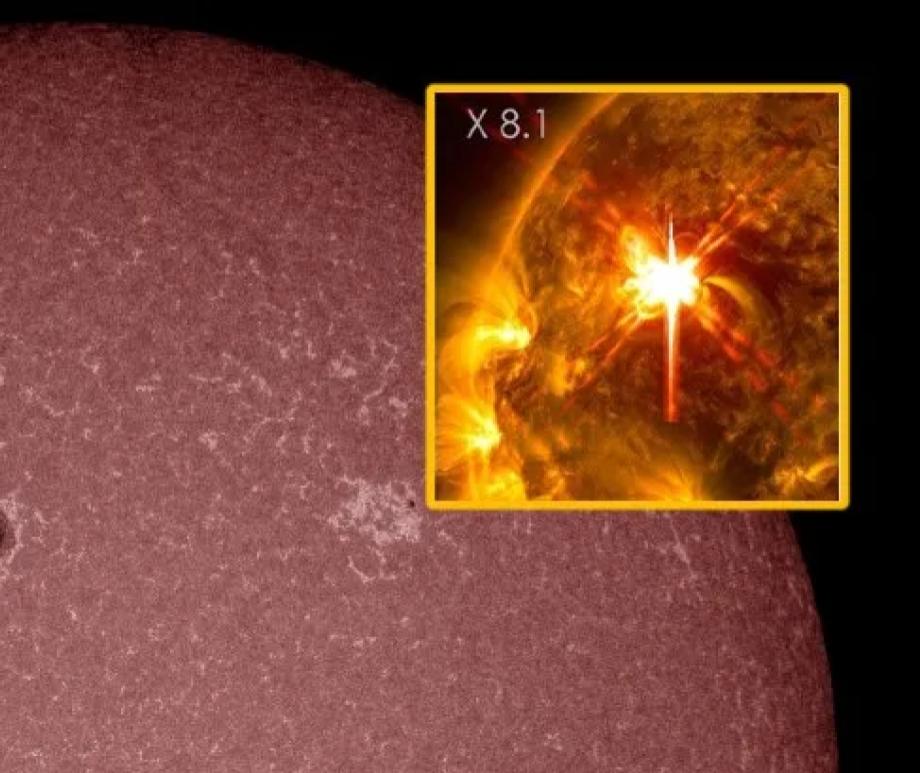
Auroras likely as most active sunspot in years turns toward Earth
February 3, 2026
The sunspot region 4366 fired off dozens of powerful solar flares in 24 hours, including the single strongest flare since 2024. Read more
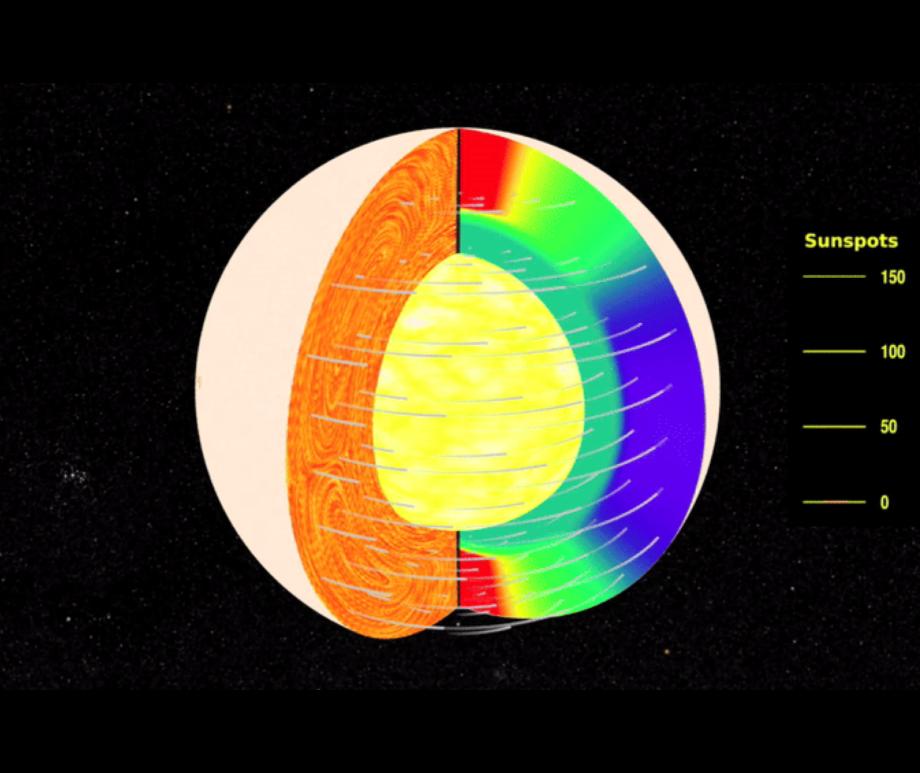
How long does it take the sun to rotate?
January 31, 2026
The time it takes for the sun to completely rotate depends where on the sun you are measuring. Read more
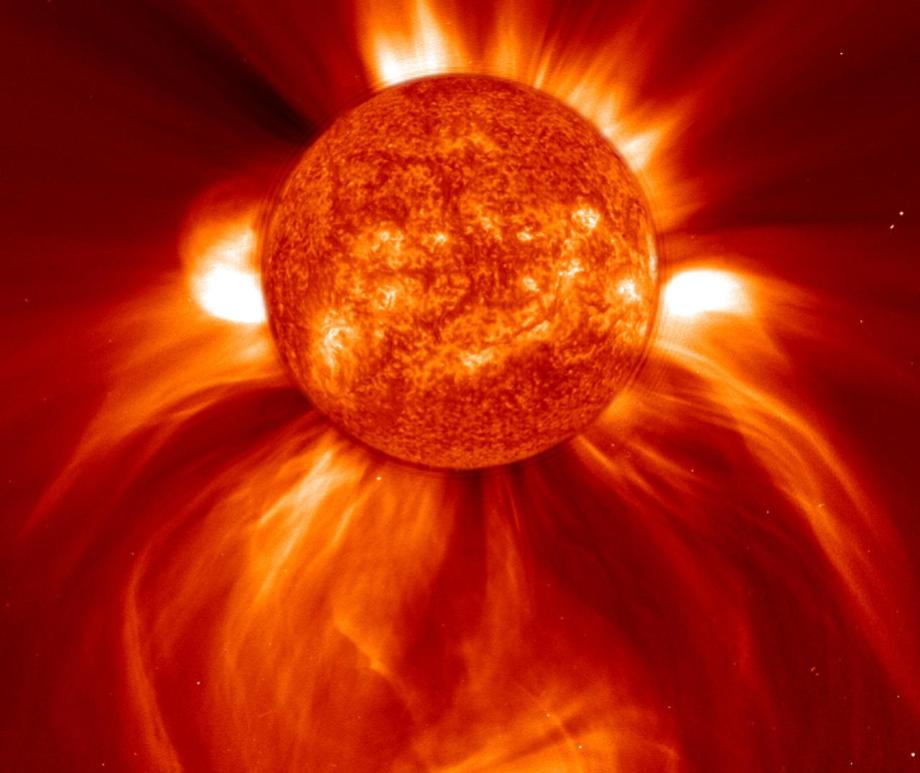
Magnetic avalanches on the sun reveal the hidden engine powering solar flares
January 26, 2026
"This is one of the most exciting results from Solar Orbiter so far." Read more
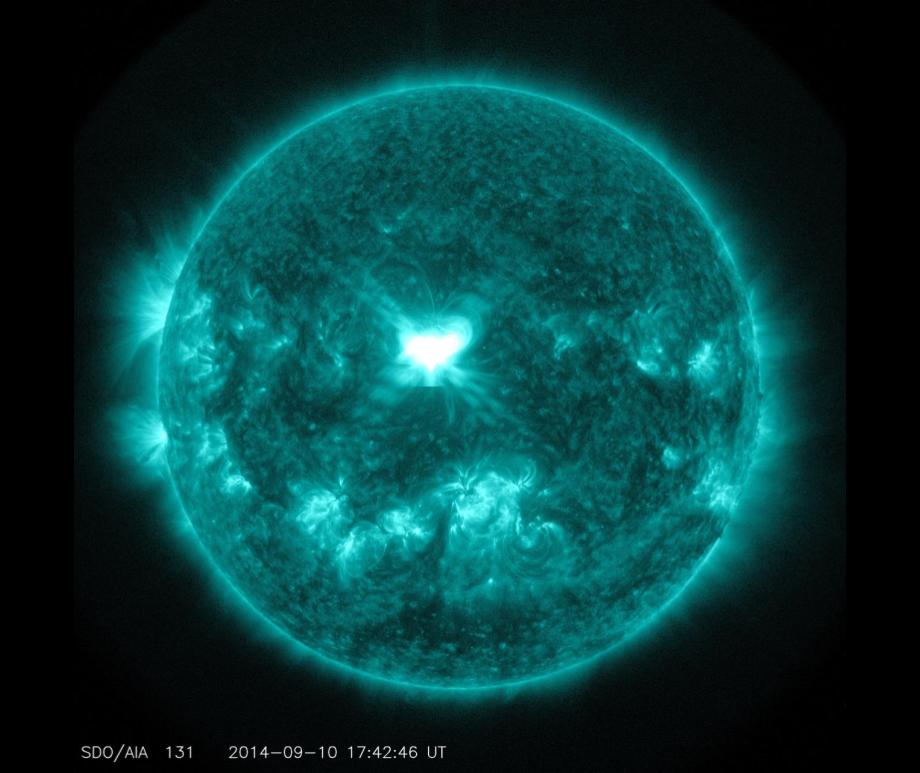
Sun unleashes powerful X-flare, CME hits Earth sparking severe geomagnetic storm
January 19, 2026
Aurora alert! The colossal solar storm could impact and trigger impressive northern lights Read more
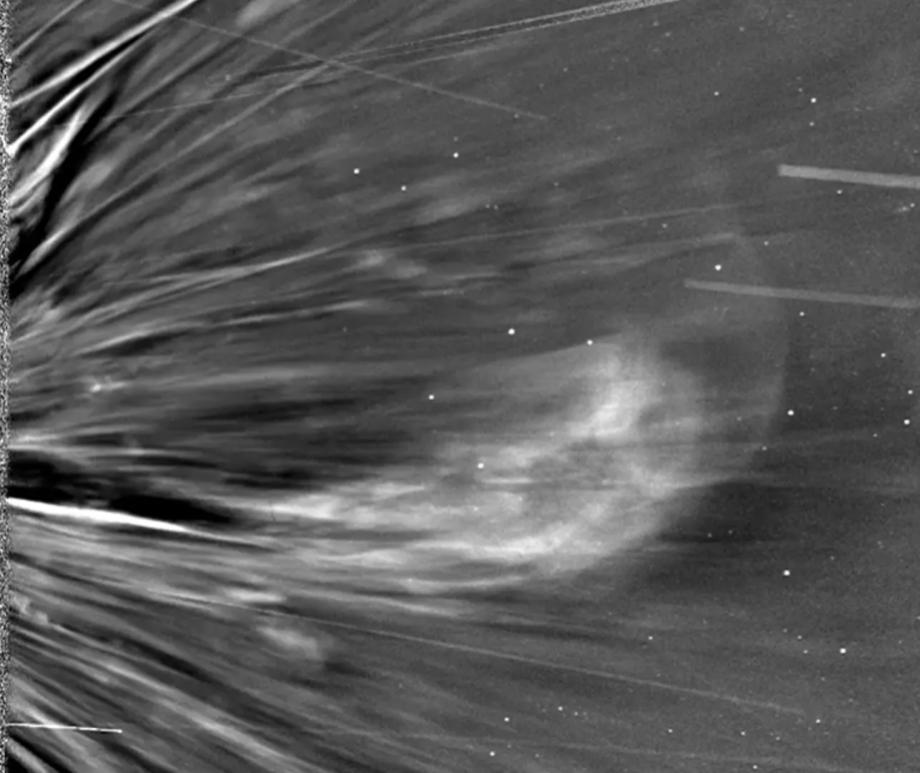
NASA's Parker Solar Probe captures solar wind doing a 'U-turn'
December 16, 2025
This may ultimately help predict space weather on longer timescales than currently possible. Read more
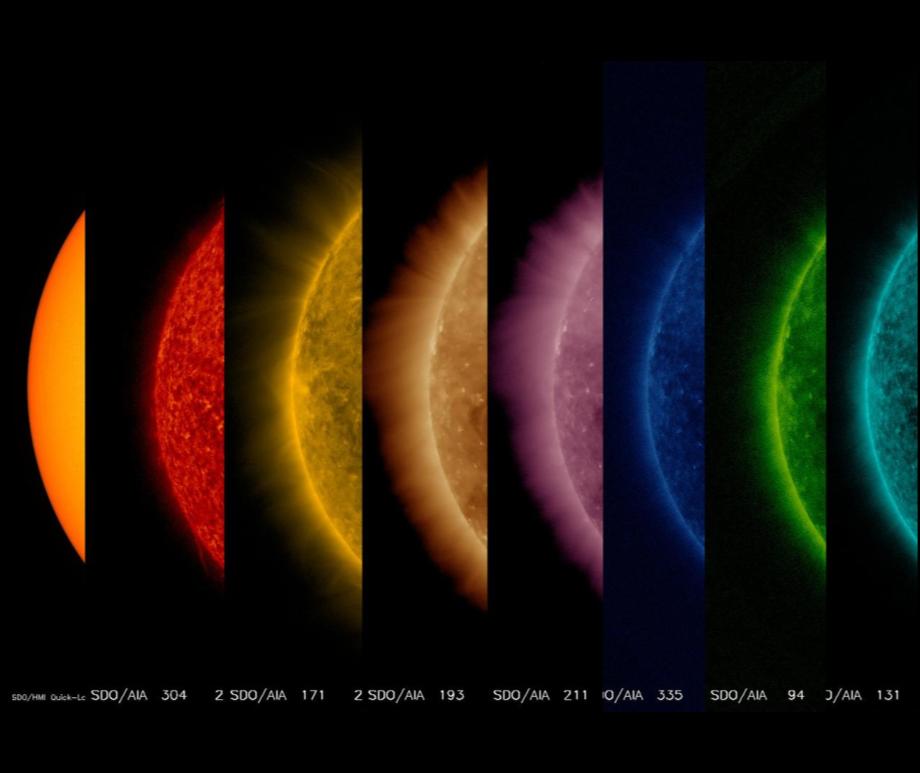
Astronomers create first map of the sun's outer boundary
December 11, 2025
This discovery shines light on how solar activity impacts the rest of the solar system. Read more
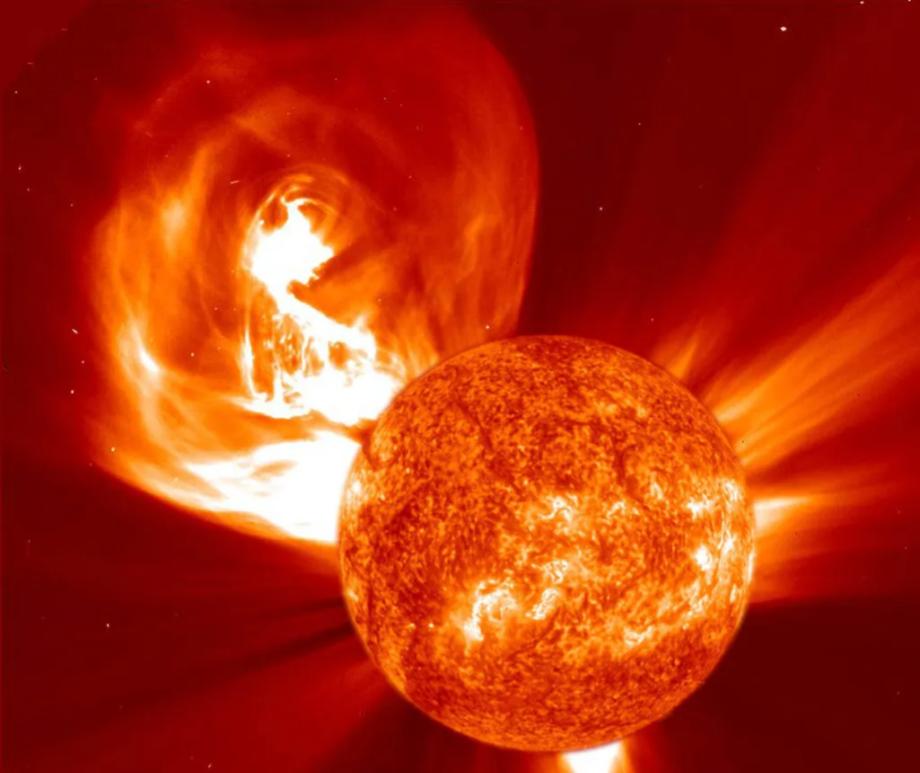
Unlocking the sun's magnetic secrets
December 11, 2025
AI-powered mapping reveals intricate 3D details Read more
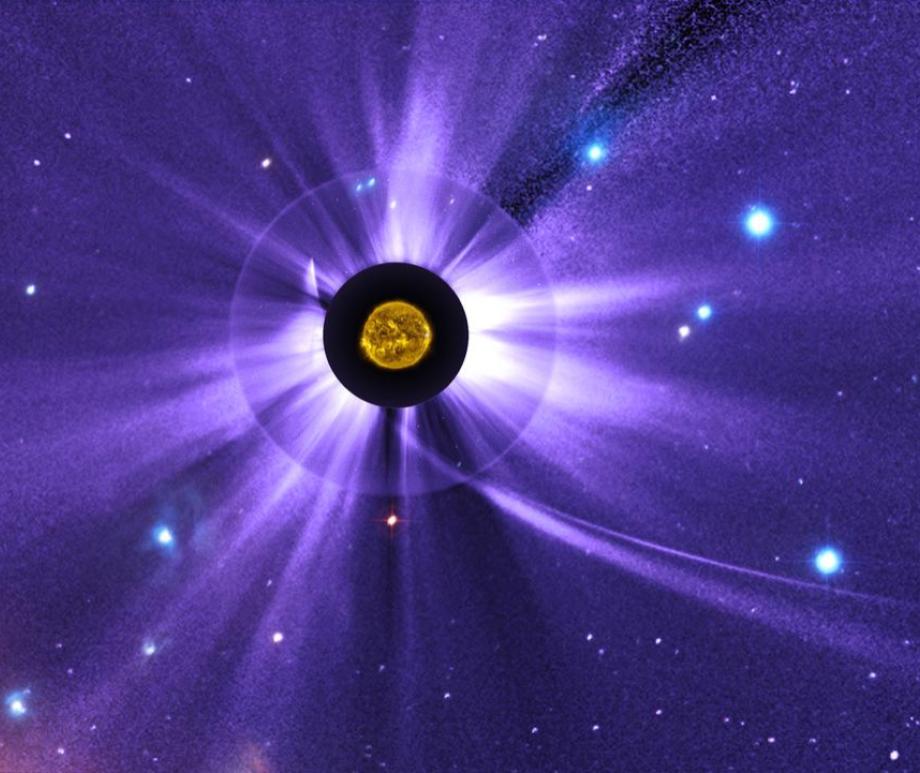
Scientists discover cosmic 'scar' in interstellar clouds left by a close shave between our sun and 2 intruder stars
December 8, 2025
"It’s kind of a jigsaw puzzle where all the different pieces are moving." Read more
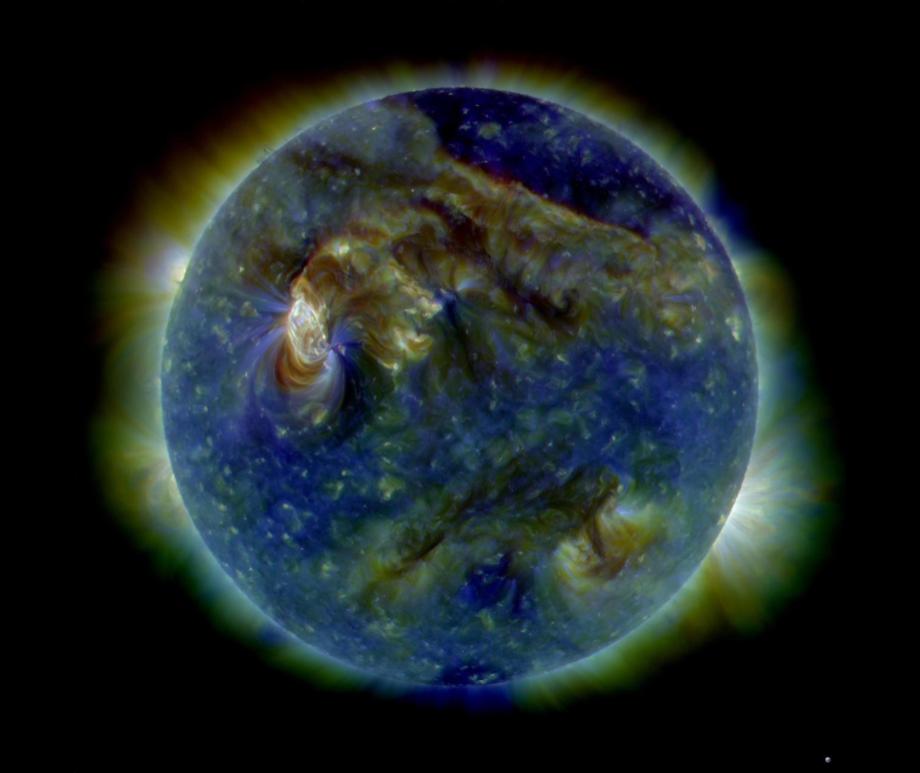
Earth just got hit by a stealth solar storm no one saw coming
November 21, 2025
The quiet arrival offers another indication that the sun is moving into the declining phase of its 11-year cycle. Read more
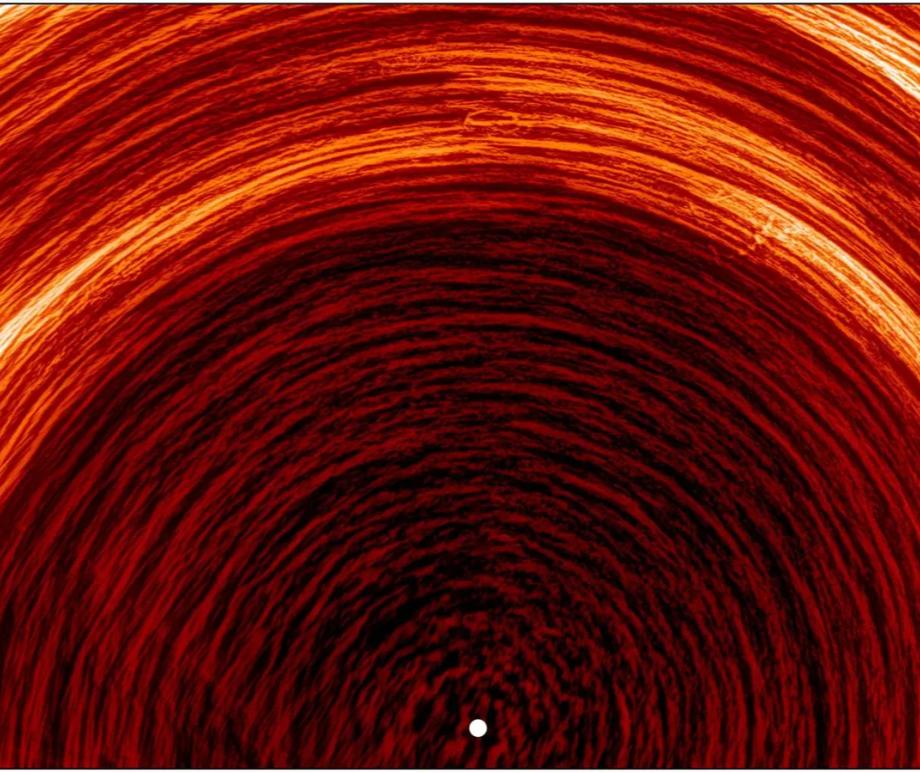
ESA's sun spacecraft captures 1st close-up of our star's magnetic engine in motion
November 10, 2025
"Solar Orbiter can now provide this missing piece of the puzzle." Read more
Fascinating Facts About The Sun
- The energy Earth receives from the Sun is 10,000 times the total world energy use, or about 48,000,000,000 kWh every second. Look at your electricity bill. How many kWh did you use last month? Divide that by 2,600,000 to get the kWh you used each second.
- It is a ball of plasma (super-heated gas) composed almost entirely of hydrogen and helium, with trace amounts of other elements that were produced by much more massive stars and then distributed throughout the galaxy when those stars exploded.
- Its core, which is 15,000,000°C, is 13 times denser than lead. The nuclear fusion happening there is the source of all the Sun's energy.
- The 'surface of the Sun' is a thin layer called the photosphere, which is 5,500°C. It's where all the sunlight we receive comes from, and what defines the shape of the Sun we see in the sky.
- Its outer atmosphere, called the corona, can be as hot as 1,000,000°C. It can only be seen by human eyes during a total solar eclipse, when the photosphere is blocked by the Moon. Except for during totality of an eclipse, NEVER look directly at the Sun without specialized eclipse-viewing glasses sold by a reputable scientific equipment company.
- Its light is essentially white to our eyes, having only an imperceptibly higher amount of yellow light in it. Fresh, pure snow reflects over 90% of visible light, so it closely resembles the color of sunlight.
- Though its size is small among all types of stars, it is much bigger than most of the stars around us, since smaller red dwarf stars dominate our galaxy.
- Every 11 years, it reverses its magnetic polarity: its north pole becomes a south pole, and vice versa. During this change, solar activity is higher, creating more sun spots, flares, and eruptions.
- It takes light over 100,000 years to get from the Sun's core to its surface, traveling through the dense layers of plasma. It would take about 2 seconds for light to move that distance through empty space. It then takes 8 minutes and 20 seconds to get to Earth.
Sources: NASA, US Department of Energy, US Energy Information Administration
Missions
Solar Orbiter (2020)
Taking the closest ever images of the Sun, it is studying its 11-year cycle, the temperature of the corona, and the solar wind
Parker Solar Probe (2018)
Getting 7 times closer to the Sun than any previous spacecraft, it is exploring the Sun’s atmosphere by flying through it at 430,000 mph
DSCOVR (2015)
The Deep Space Climate Observatory monitors changes in the solar wind, providing space weather alerts and forecasts for geomagnetic storms that could disrupt power grids, satellites, telecommunications, aviation and GPS
IRIS (2013)
The Interface Region Imaging Spectrograph observes how solar material produces energy that heats up the Sun’s atmosphere
Solar Dynamics Observatory (2010)
Studies the Sun’s energy, the workings inside the Sun and how energy is stored and released
STEREO (2006)
The Solar Terrestrial Relations Observatory, a pair of spacecraft, has provided stereoscopic measurements to study the Sun, space weather and coronal mass ejections
ACE (1997)
The Advanced Composition Explorer contributes to our understanding of the Sun, its interaction with Earth, and the evolution of the Solar System
SOHO (1996)
The Solar and Heliospheric Observatory is investigating the Sun's core, corona, and solar wind; it also makes comet discoveries
Ulysses (1990)
Observed the north and south poles of the Sun through a series of passes in 1994/1995, 2000/2001, and 2007/2008
Helios A&B (1974-1976)
Observed solar wind, magnetic and electric fields, cosmic rays and cosmic dust between Earth and the Sun
Pioneer 6-9 (1965-1968)
A network of solar-orbiting "space weather" monitors, observing solar wind, cosmic rays, and magnetic fields; a few are still functional