

Find all the latest news on Jupiter's moons, including the search for life on Europa, here.
Latest News About Jupiter
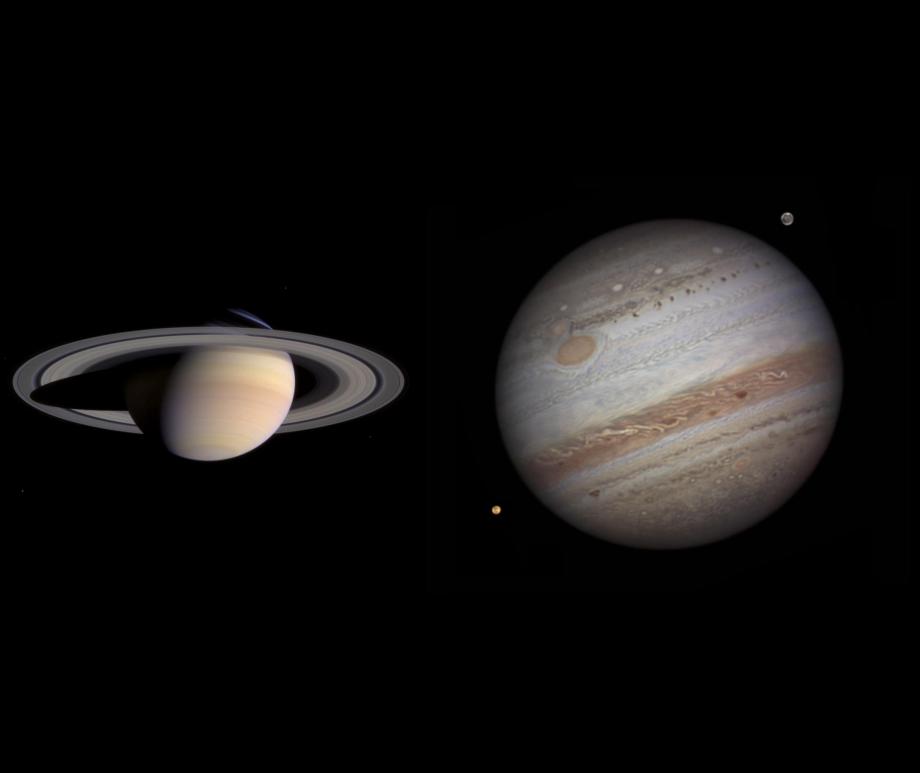
Mysterious polar weather on Jupiter and Saturn could be key to understanding their insides
January 23, 2026
"I don't think anyone's made this connection between the surface fluid pattern and the interior properties of these planets." Read more

Jupiter has more oxygen than the sun, new simulations reveal
January 16, 2026
"It really shows how much we still have to learn about planets, even in our own solar system." Read more

Without Jupiter, Earth may have spiraled into the sun long ago
October 24, 2025
"Jupiter didn't just become the biggest planet — it set the architecture for the whole inner solar system." Read more

Simulation reveals uneven water distribution in Jupiter's turbulent atmosphere
September 29, 2025
Caltech researchers have developed a new simulation of the hydrological cycle on Jupiter Read more

Jupiter is smaller and more squashed than we thought
September 12, 2025
The gas giant has been measured for the first time in decades, trimming 8 kilometres from its diameter. Read more
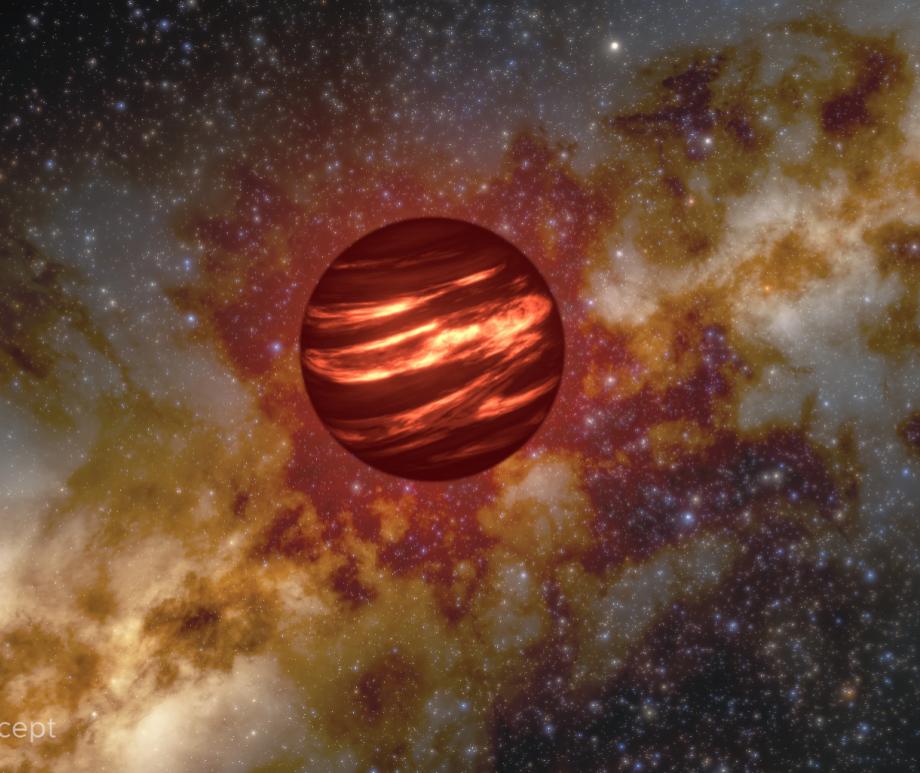
NASA study: celestial ‘accident’ sheds light on Jupiter, Saturn riddle
September 9, 2025
An unusual cosmic object is helping scientists better understand the chemistry in Jupiter and Saturn’s atmospheres. Read more

'Alien auroras' on Jupiter reveal a new kind of plasma wave, scientists say
August 25, 2025
The result is thanks to the Jupiter-orbiting Juno spacecraft. Read more

Jupiter was formerly twice its current size and had a much stronger magnetic field
May 20, 2025
As the solar system's 'architect,' understanding Jupiter's evolution is key Read more

Webb observes dynamic infrared aurorae on Jupiter
May 13, 2025
The Jovian aurorae are hundreds of times brighter than those seen on Earth Read more
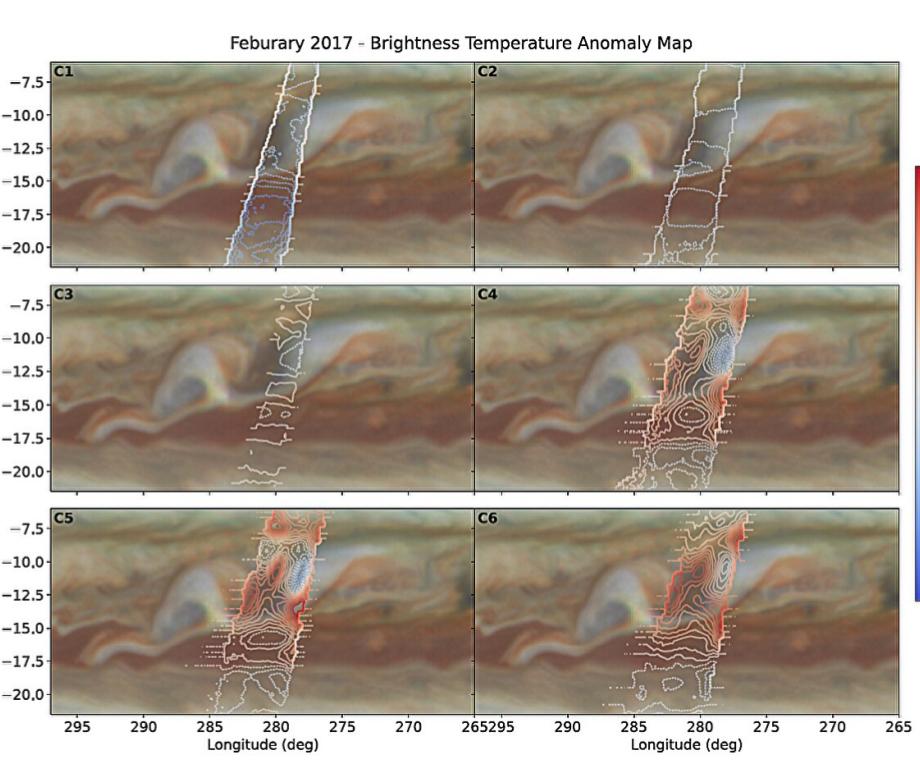
Massive Jupiter storm churns ammonia deep into planet's atmosphere
April 4, 2025
Patches of ammonia remain in the atmosphere even after the storm had passed Read more
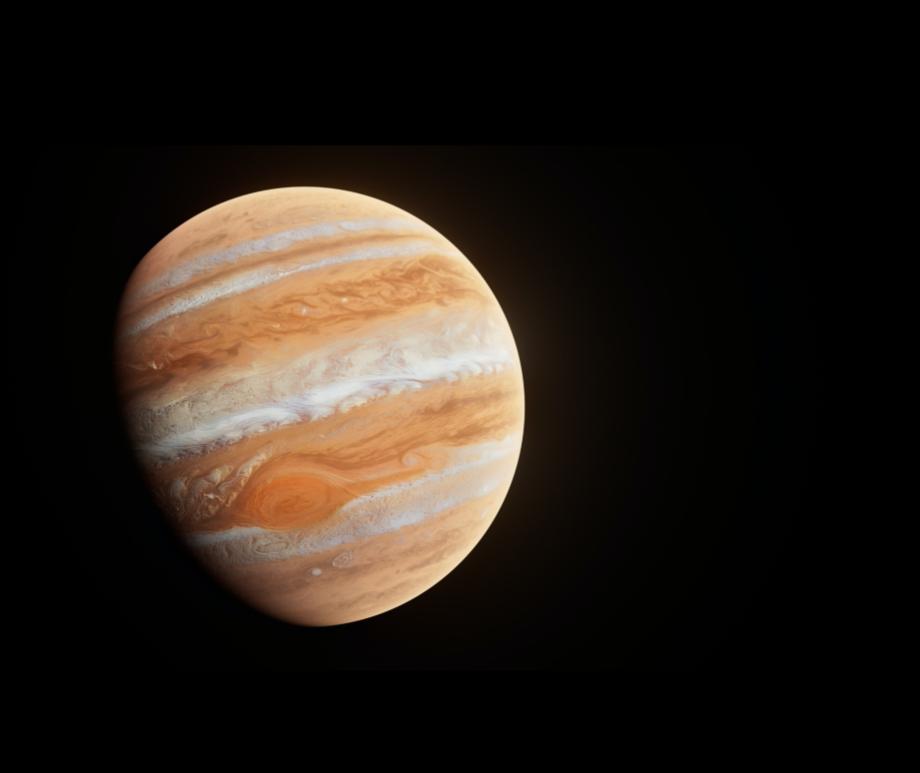
Solar wind compresses Jupiter's magnetosphere
April 3, 2025
New observations reveal an enormous heated region created by the phenomenon Read more
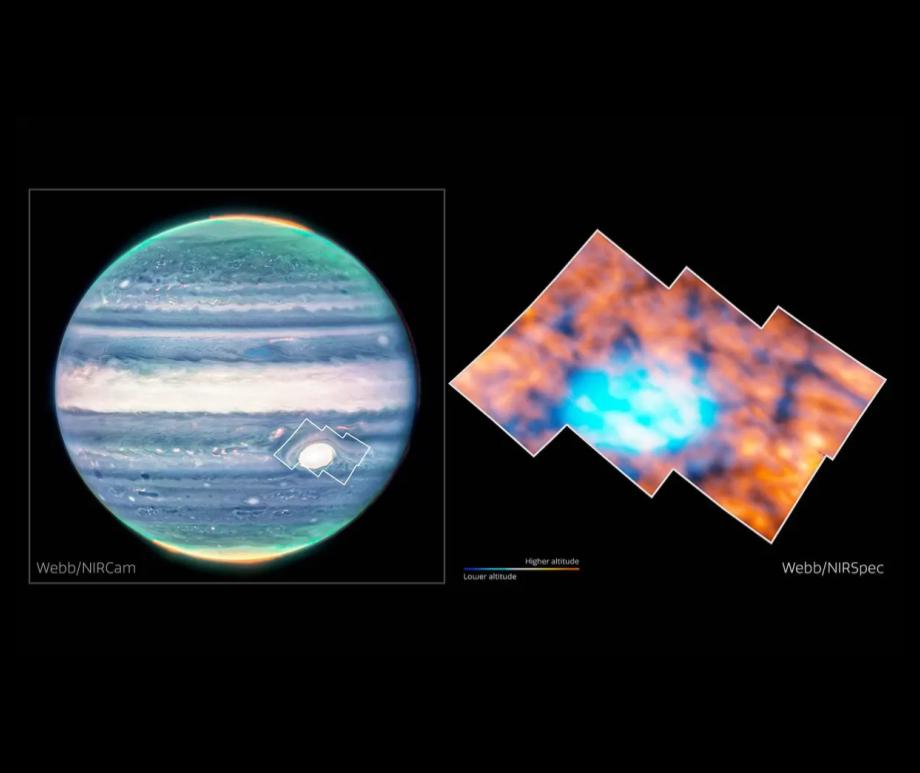
Surprising 'shapes' discovered near Jupiter’s Great Red Spot
April 1, 2025
These new findings open a fresh perspective on Jupiter’s upper atmosphere Read more
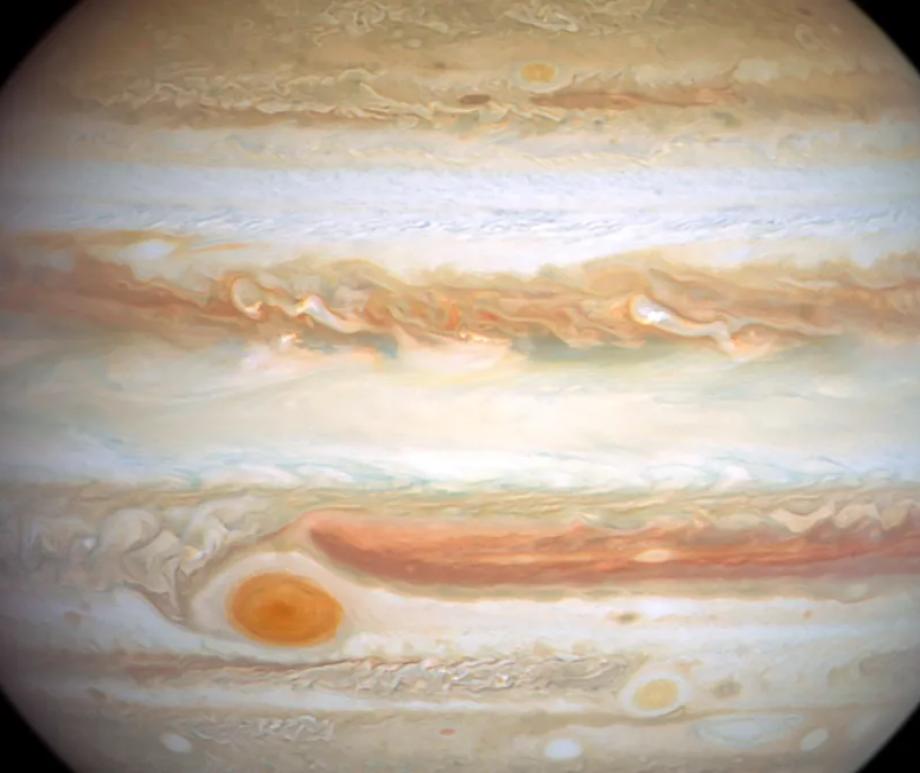
An amateur astronomer used an old technique to study Jupiter — and found something strange
January 9, 2025
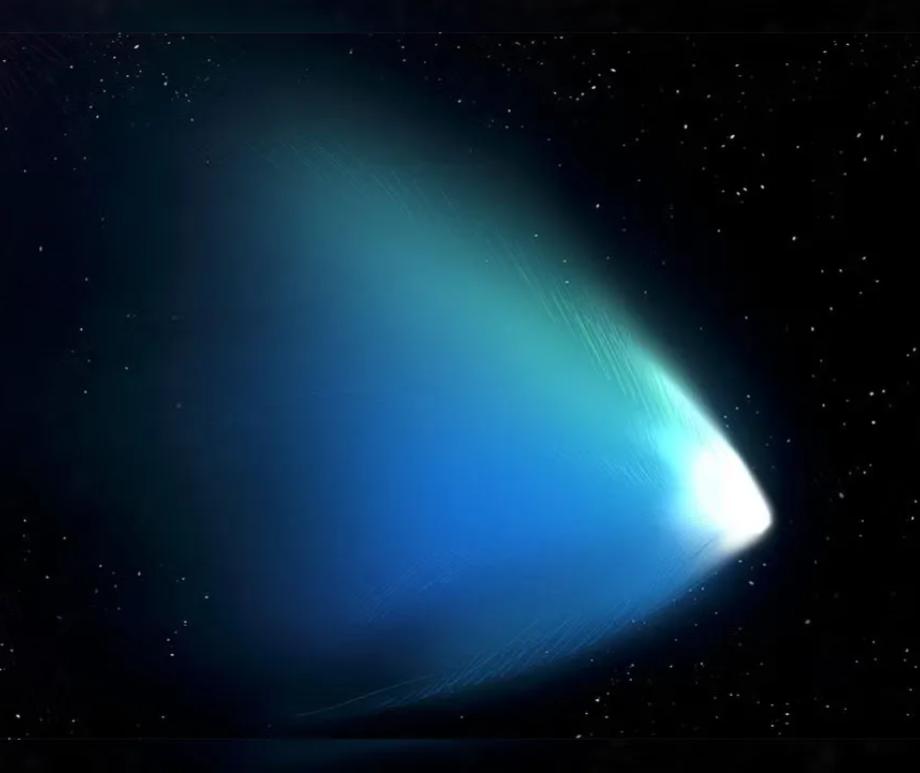
JWST spies a mysterious asteroid-comet hybrid lurking past Jupiter
December 24, 2024
The unusual "centaur," named 2060 Chiron, has features of both comets and asteroids Read more
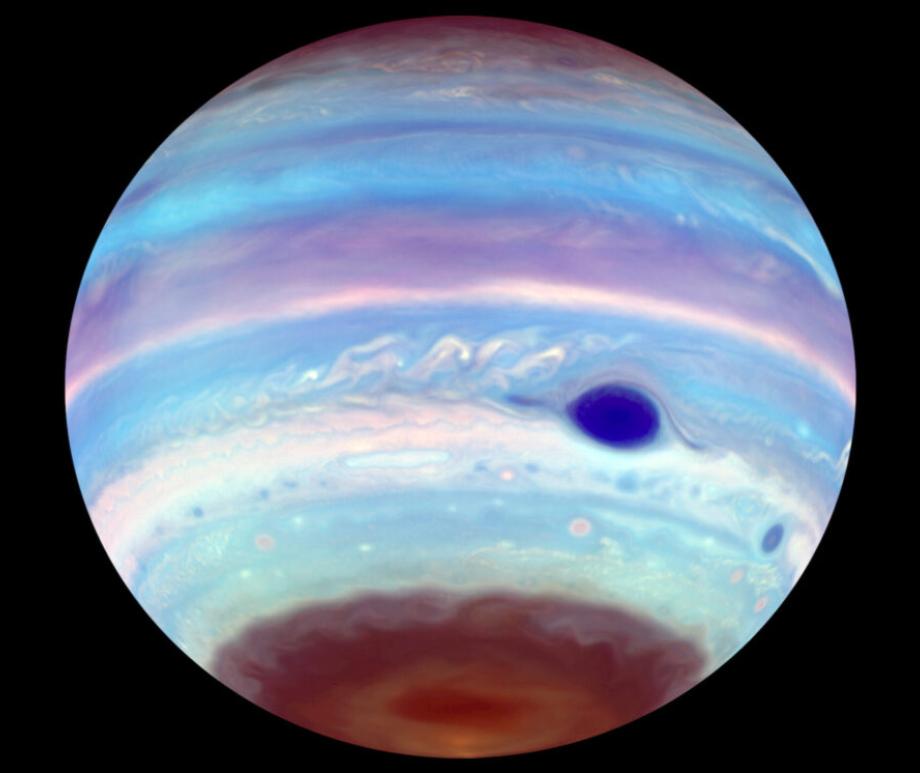
Do magnetic tornadoes drive dark ovals on Jupiter?
December 1, 2024
Scientists discovered Earth-sized dark ovals near Jupiter’s poles Read more
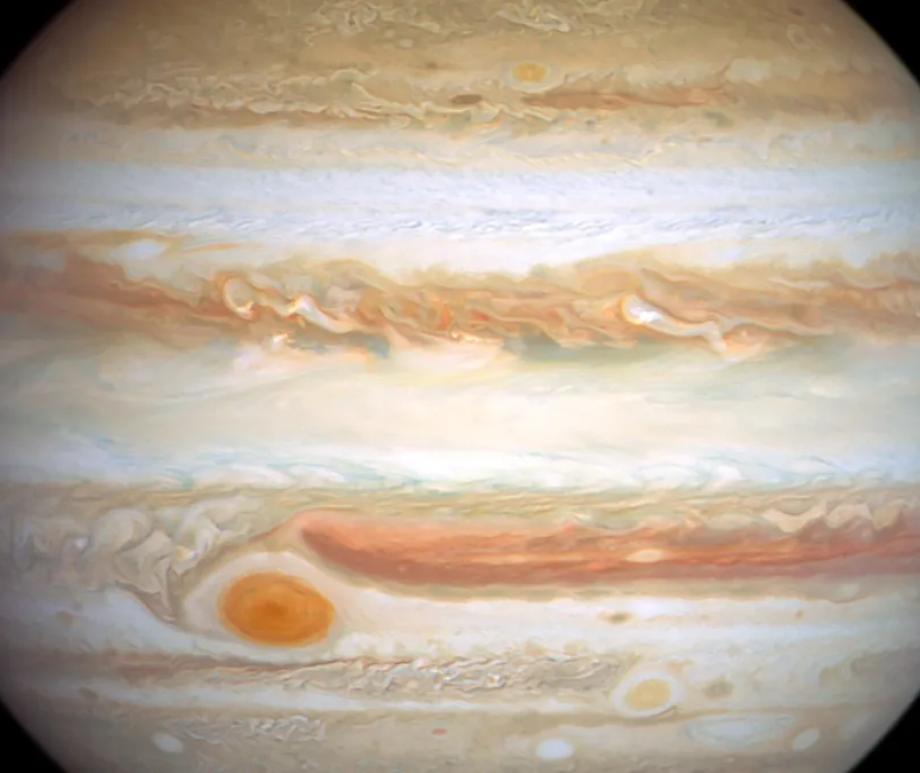
Jupiter's Great Red Spot is being squeezed, Hubble Telescope finds — and nobody knows why
October 10, 2024
Jupiter's famous spot has been under constant observation since the 19th century, but this new development is unprecedented. Read more
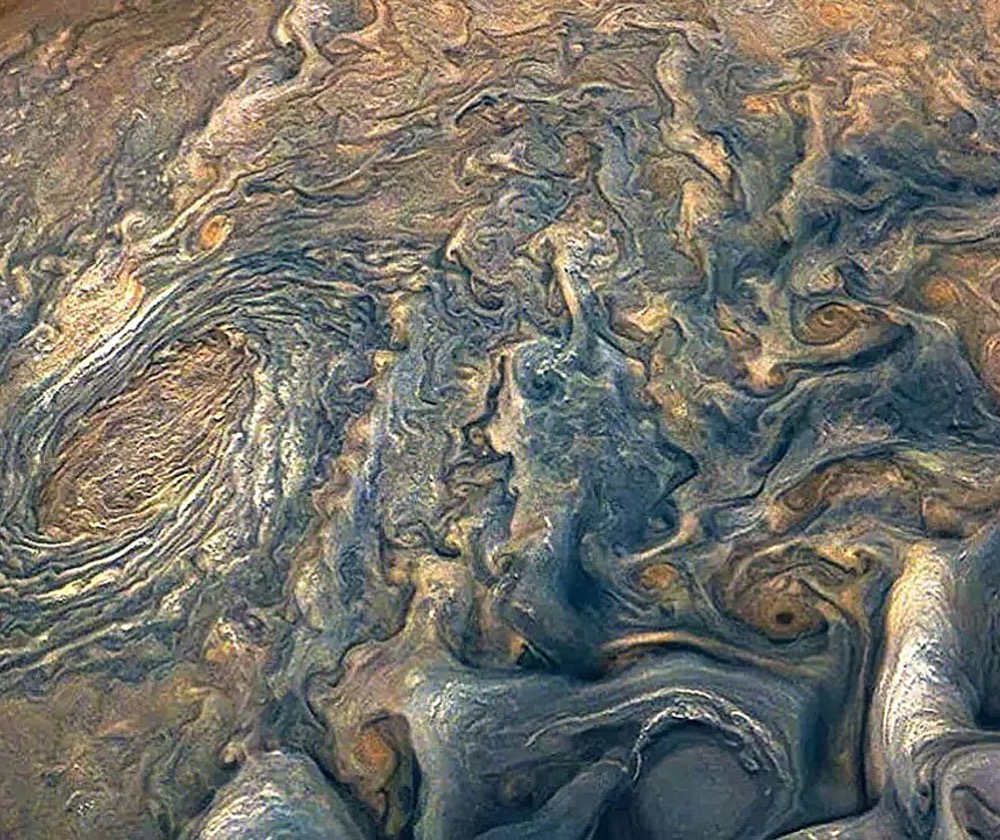
Study shows how amateur astronomers can aid in Jupiter weather monitoring
September 5, 2024
Jupiter's weather can be observed using relatively inexpensive equipment Read more
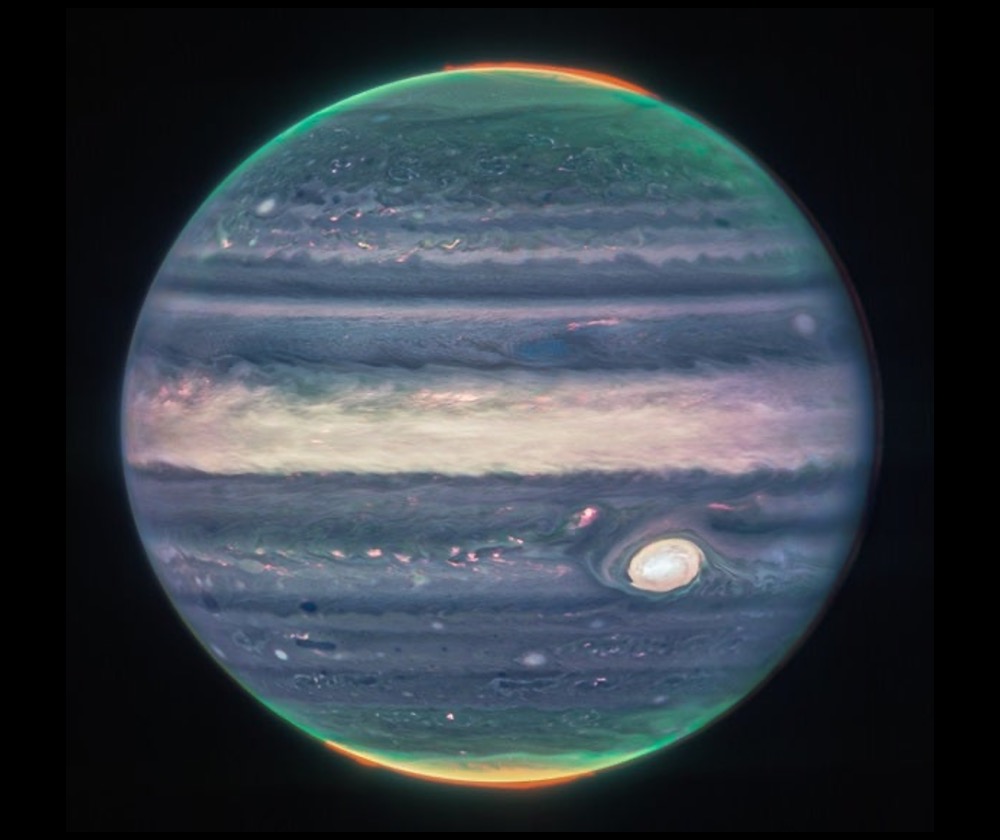
Scientists use Jupiter to search for dark matter
August 19, 2024
The “null result” is still useful, suggesting a maximum size for dark matter particles Read more
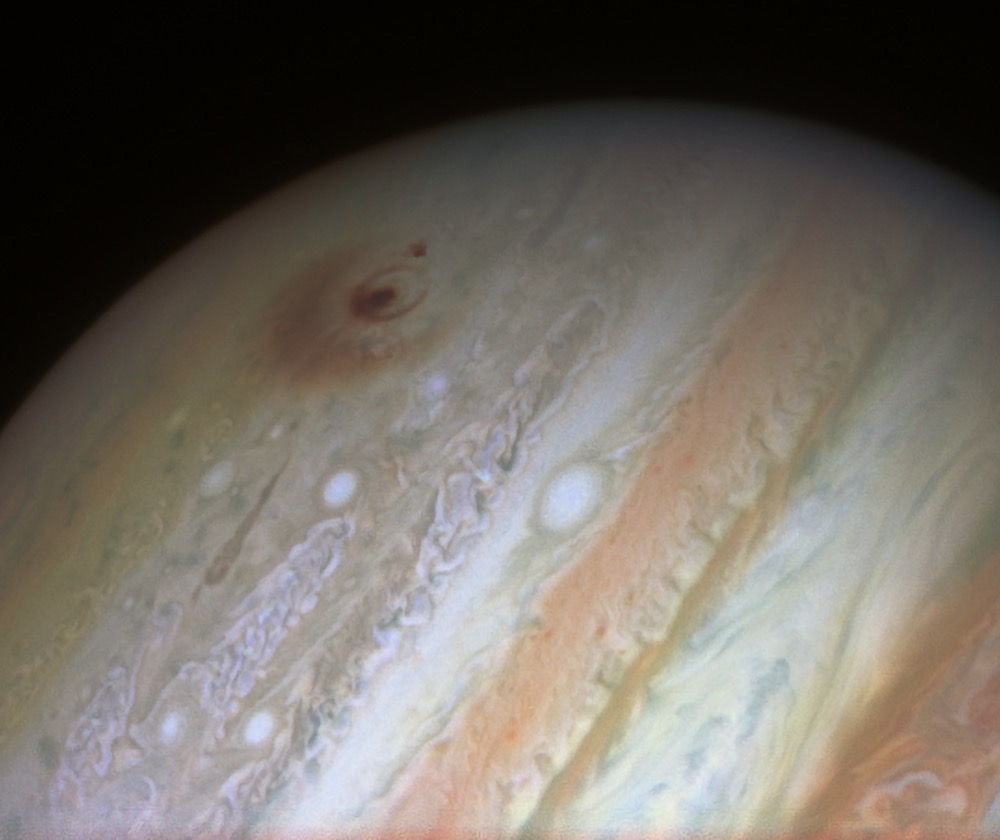
Does Jupiter protect Earth from asteroids and comets?
July 30, 2024
Jupiter has been considered our biggest ally, but recent research has contradicted this reputation Read more
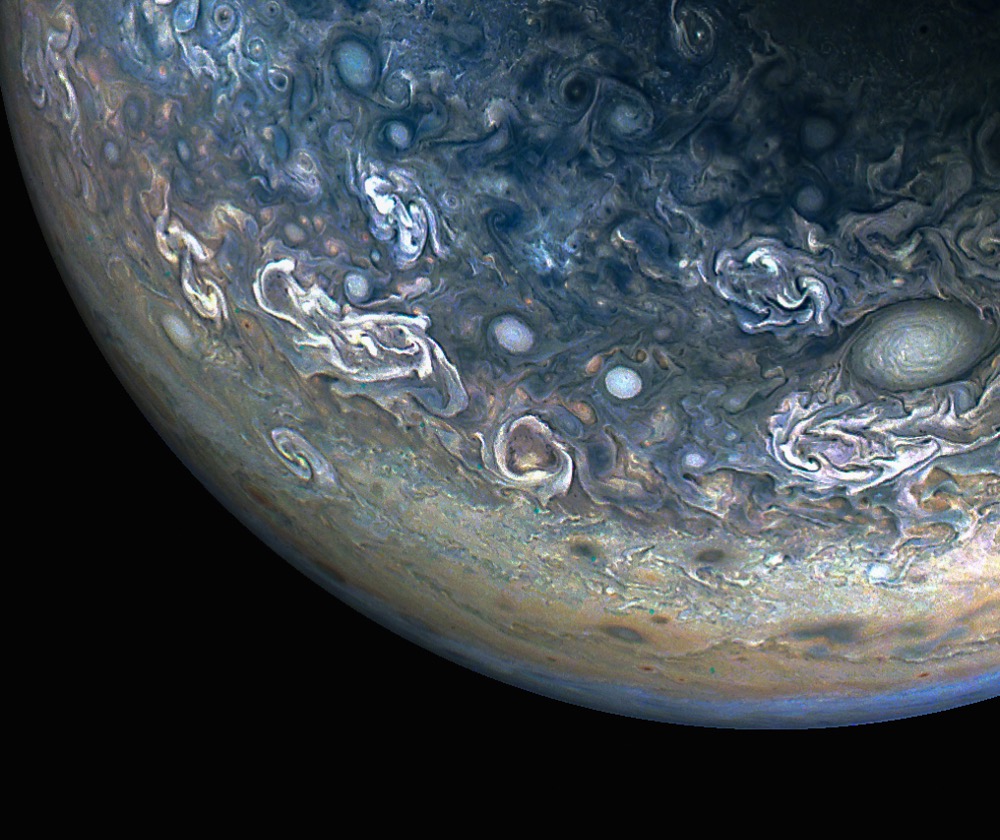
NASA’s Juno mission captures the colorful and chaotic clouds of Jupiter
July 19, 2024
It provides a detailed view of an area known as a folded filamentary region Read more
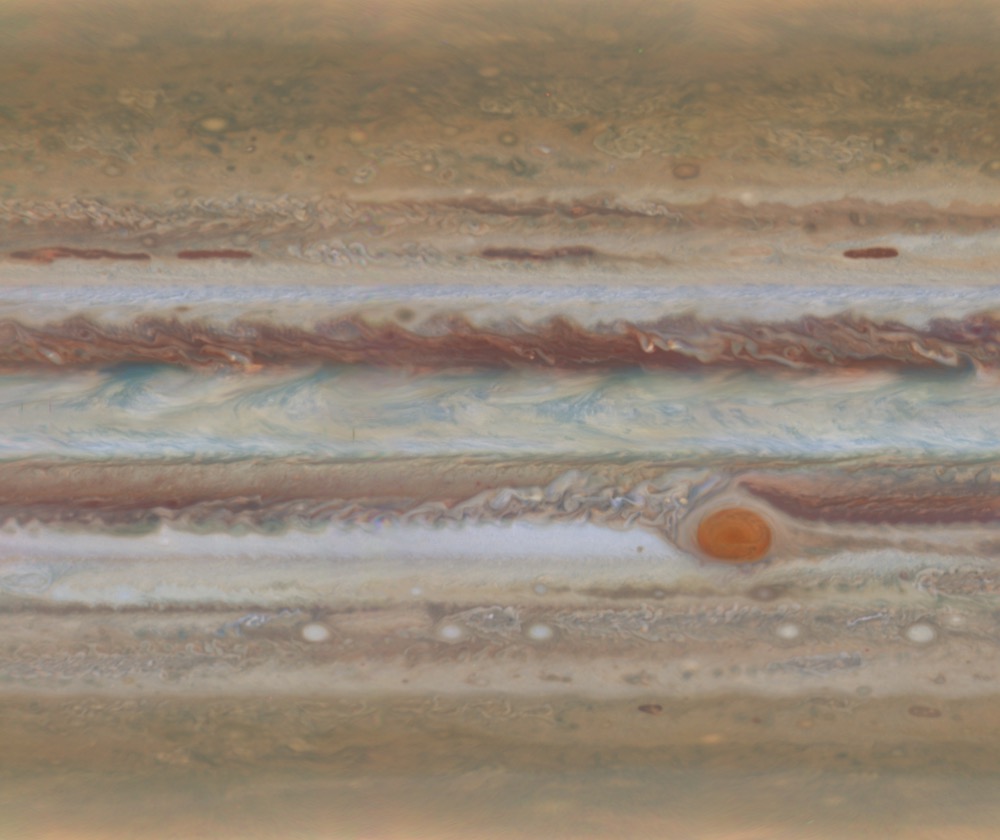
Jupiter’s Great Red Spot keeps shrinking
July 19, 2024
There could be fewer storms for the bright red anticyclone to consume Read more
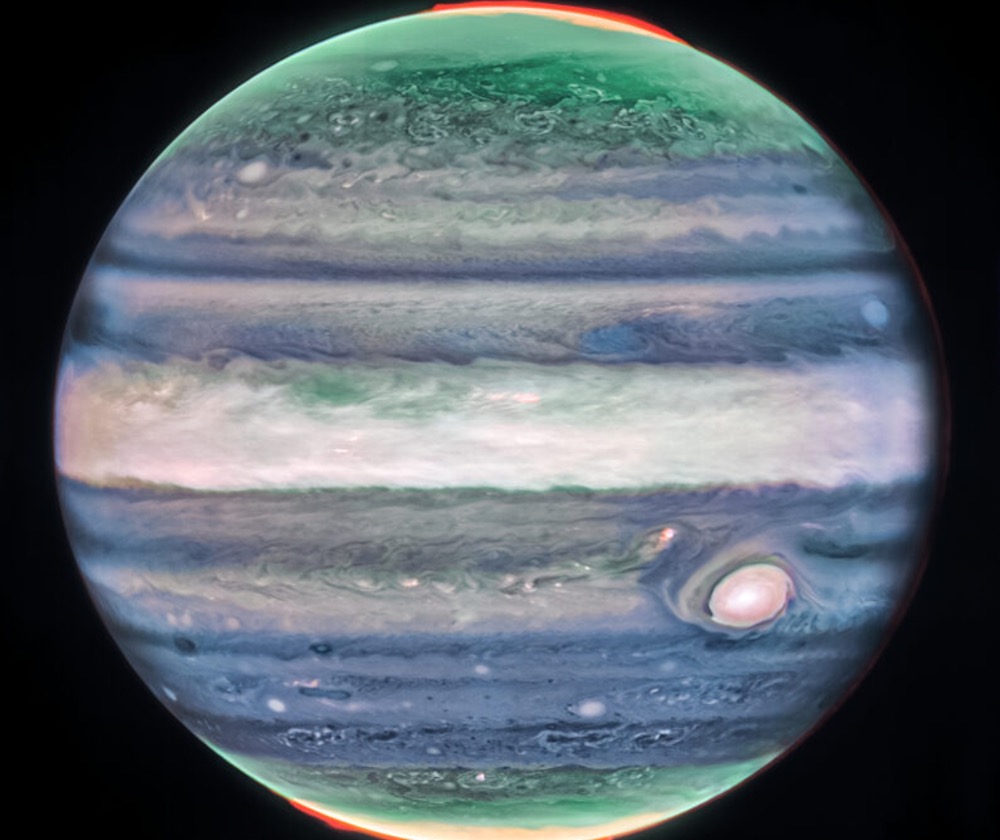
Do dark matter collisions on Jupiter glow in the infrared?
July 10, 2024
So far, we haven’t been able to detect dark matter (or dark energy) directly Read more
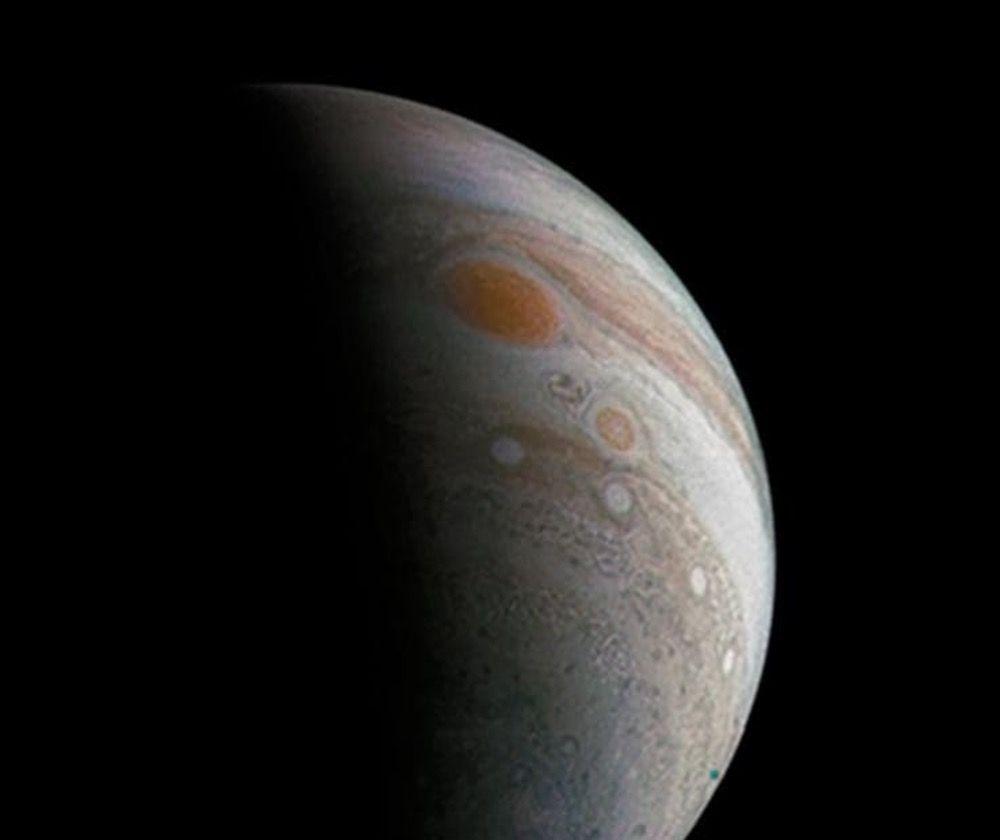
Jupiter’s red spot might not be the same one discovered centuries ago
June 29, 2024
A pioneer of telescopic astronomy, Cassini first saw the spot in 1665 as a dark oval Read more
Fascinating Facts About Jupiter
- If the sun were as tall as a typical front door, the Earth would be the size of a nickel and Jupiter would be about as big as a basketball.
- From Jupiter’s surface, the Sun appears about one-fifth as large as it does from Earth and sunlight appears about 27 times dimmer.
- Jupiter spins on its axis in about 10 hours; this is the shortest spin time of any of the other planets.
- Jupiter is two times more massive than all the other planets combined.
- The planet’s magnetic field at the cloud tops is about 14 times stronger than Earth’s magnetic field measured at its surface.
- Jupiter emits about 1.6 times the energy it receives from the Sun. This energy is thought to come from the continued cooling of the planet after its gravitational collapse during the formation of the solar system. Because of this, the weather on the planet is internally driven: it depends on the energy emitted by the planet itself. On the other hand, the weather on Earth is externally driven, by the sun.
- If Jupiter was 80 times more massive than its current size, it would have become a star.
- The Great Red Spot is a giant hurricane-like storm that has been monitored since 1830 but it has possibly existed for more than 350 years.
Missions
Juno (2011)
Mission to understand origin and evolution of Jupiter, look for solid planetary core, study magnetic field and atmosphere and observe auroras
Voyager 1 & 2 (1977)
Mission to explore Jupiter and Saturn, but later extended to Uranus and Neptune as well
Pioneer 10 & 11 (1972-1973)
Jupiter flyby and continued mission to explore the outer solar system
Galileo (1989)
Mission to study Jupiter and its moons