



Can We Live on the Moon?
We know that humans can survive on the Moon, thanks to the success of the Apollo missions and the 12 brave people who have explored the lunar surface. But can we create permanent settlements where we don’t just survive, but thrive? The short answer is, yes! We have lots of practice living off-world, thanks to over 20 years of the International Space Station being continuously inhabited. There are similar challenges we’ll face on the Moon, including no air to breathe and being confined to small spaces. Some things will be more challenging, such as increased radiation exposure and a farther distance to send help. But some things will be easier. There is some gravity on the Moon, which is better for our muscular-skeletal system compared to being weightless in orbit. There’s also water ice near the surface at the poles, for use in drinking and fuel, and soil that’s similar enough to Earth’s that we can grow crops in it. Read More
Latest News About Earth's Moon
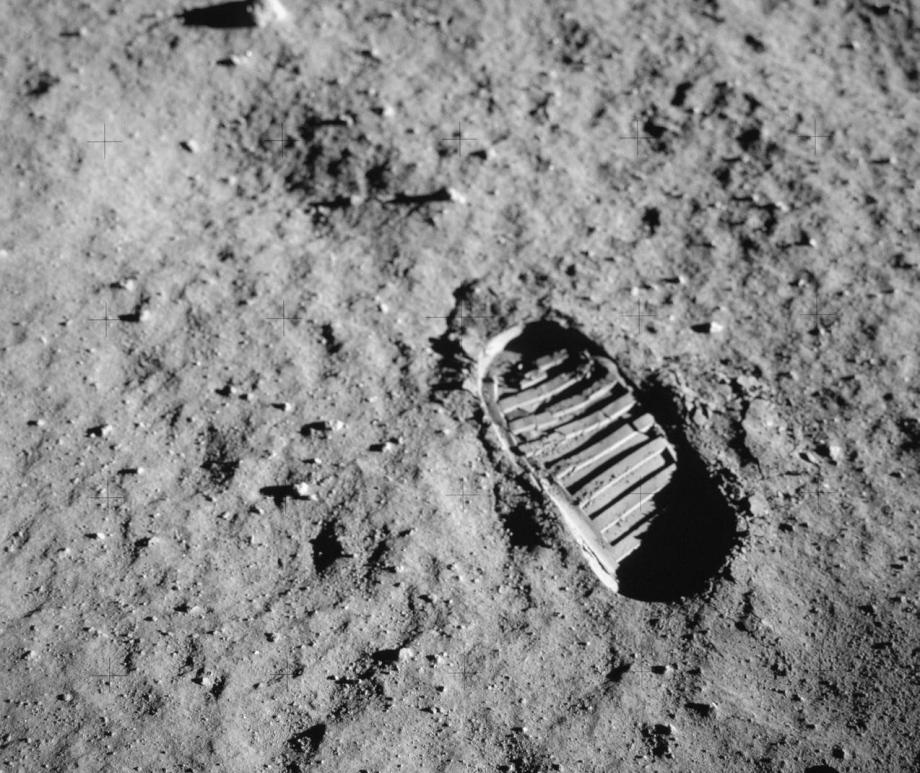
Microbes from Earth may survive on the moon, scientists find
August 20, 2026
"Even a bootprint or a rover's tread may create a habitable area." Read more
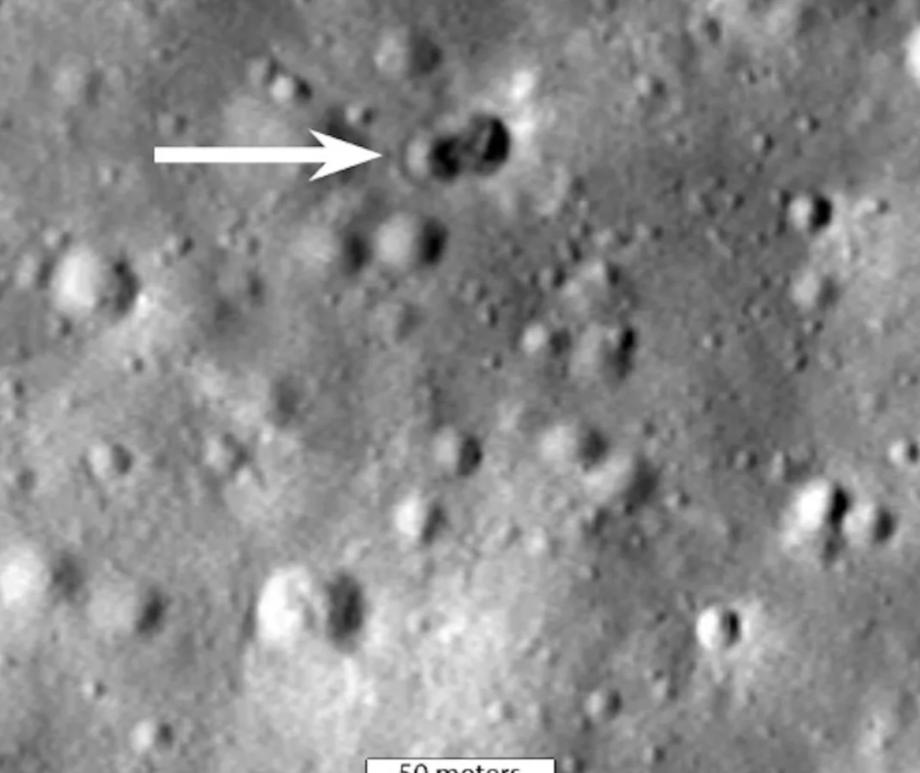
SpaceX’s Falcon 9 wasn't the first rocket to crash into the moon. Here's a rundown
August 6, 2026
The Falcon 9 upper stage that collided with the moon on Wednesday (Aug. 5) was only the latest in a line of energetic lunar touchdowns. Read more
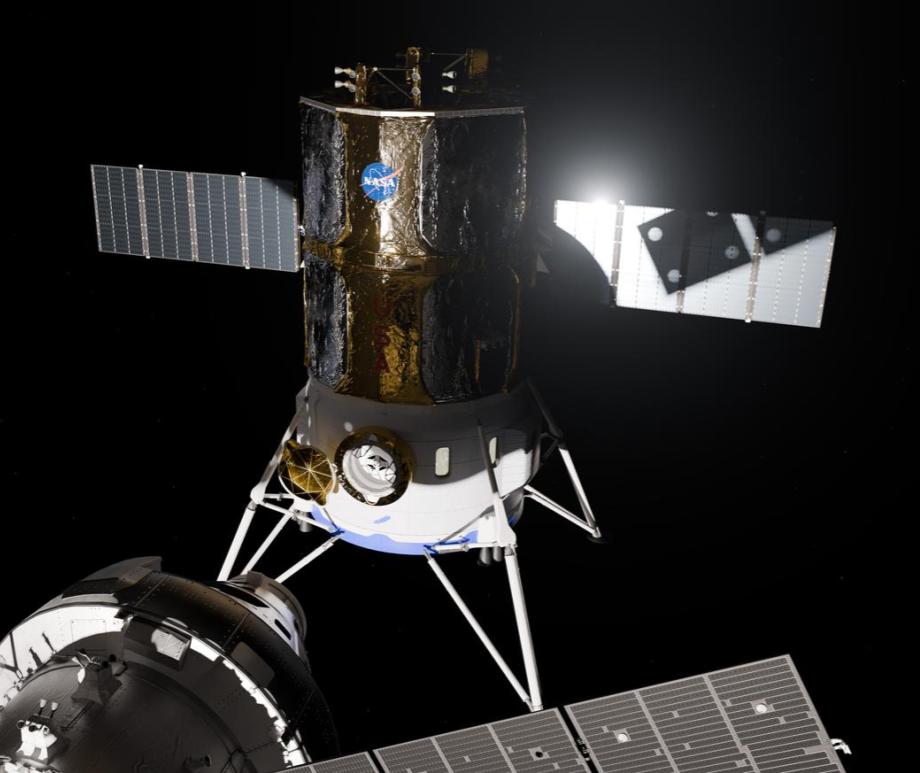
Moon landings could destroy evidence of life's origins
July 14, 2026
"We are trying to protect science and our investment in space." Read more
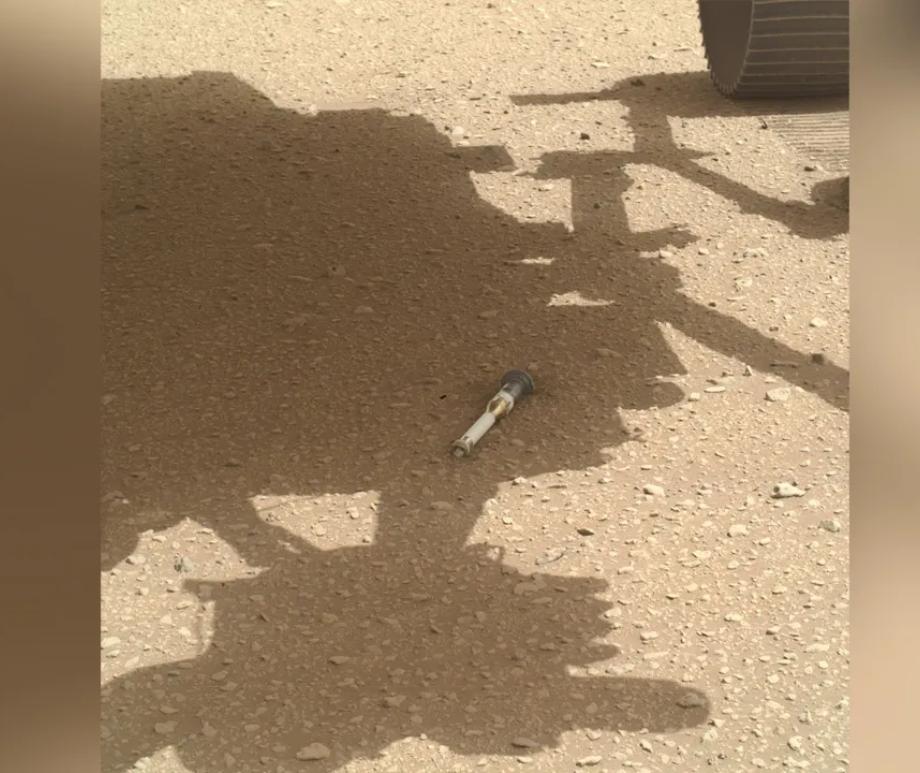
Scientists call for a secure lunar quarantine facility for extraterrestrial samples
June 3, 2026
'The moon may become humanity's first line of biological defense' Read more
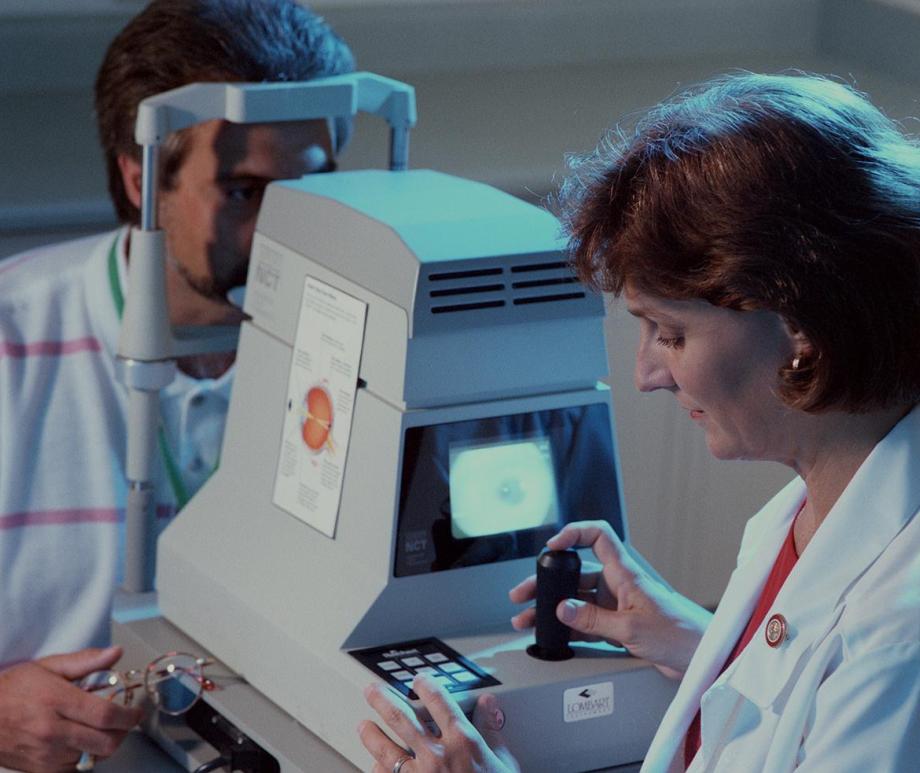
How mobile deep‑space medical systems could support future landings on the moon and Mars
May 30, 2026
Radiation exposure during space poses serious long-term implications for astronaut health and mission success. Read more
Is extracting oxygen from lunar soil the future of space exploration?
May 30, 2026
Oxygen is ubiquitous on the lunar surface, but it does not exist in gaseous form as it does in Earth's atmosphere. Read more
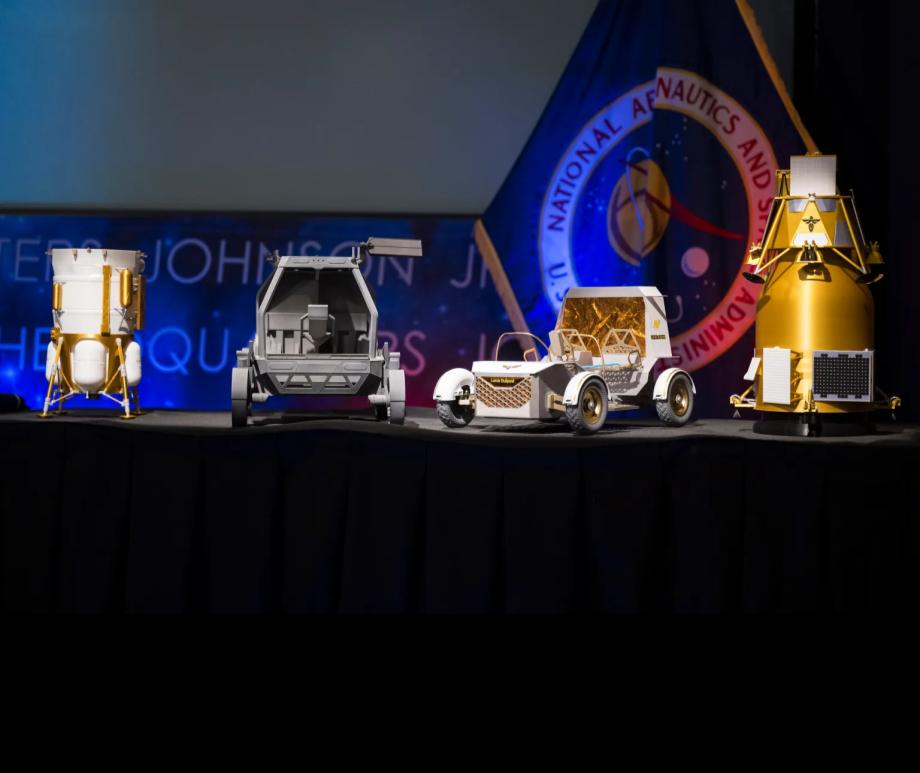
NASA provides update on Moon base rovers, landers, missions
May 26, 2026
“The Moon Base will be America’s and humanity’s first outpost on another celestial world.” Read more
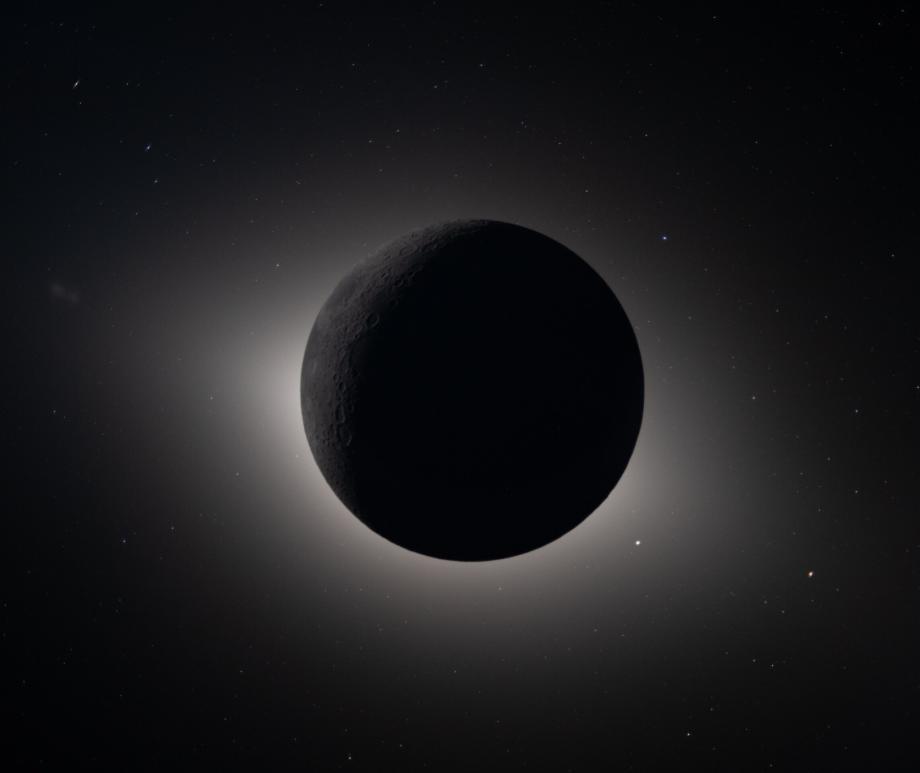
Contribution to Artemis II Moon mission sees successful test of a space camera under cosmic ray conditions
April 25, 2026
NASA plans to use this camera model in future missions under the Artemis program as well. Read more
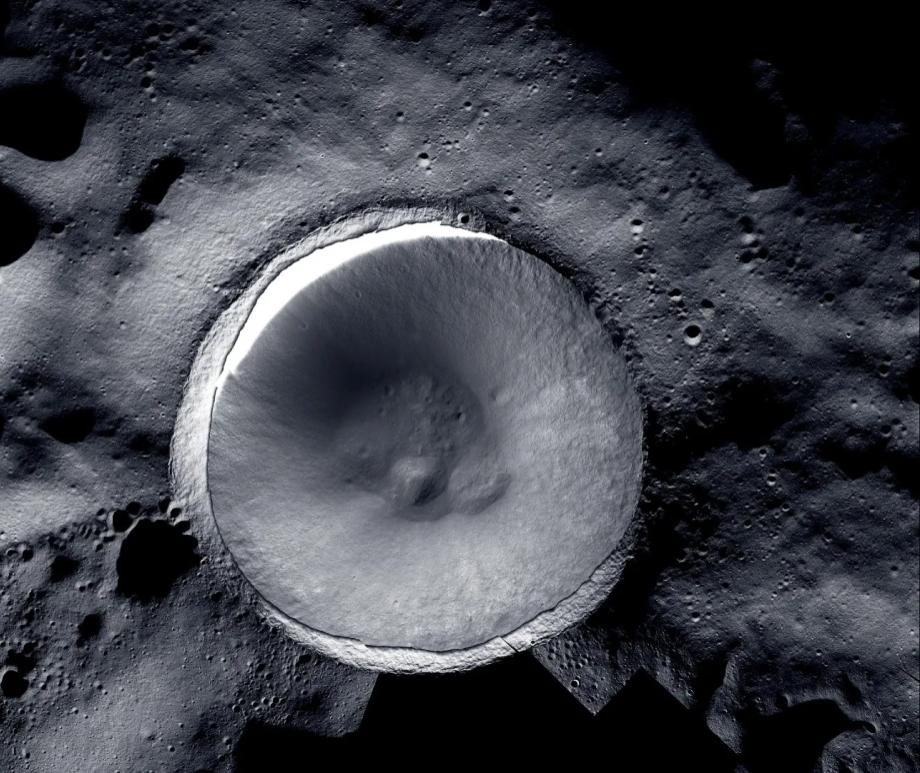
The moon's oldest and darkest craters could be hiding the most water ice.
April 14, 2026
That's good news for future astronauts. Read more
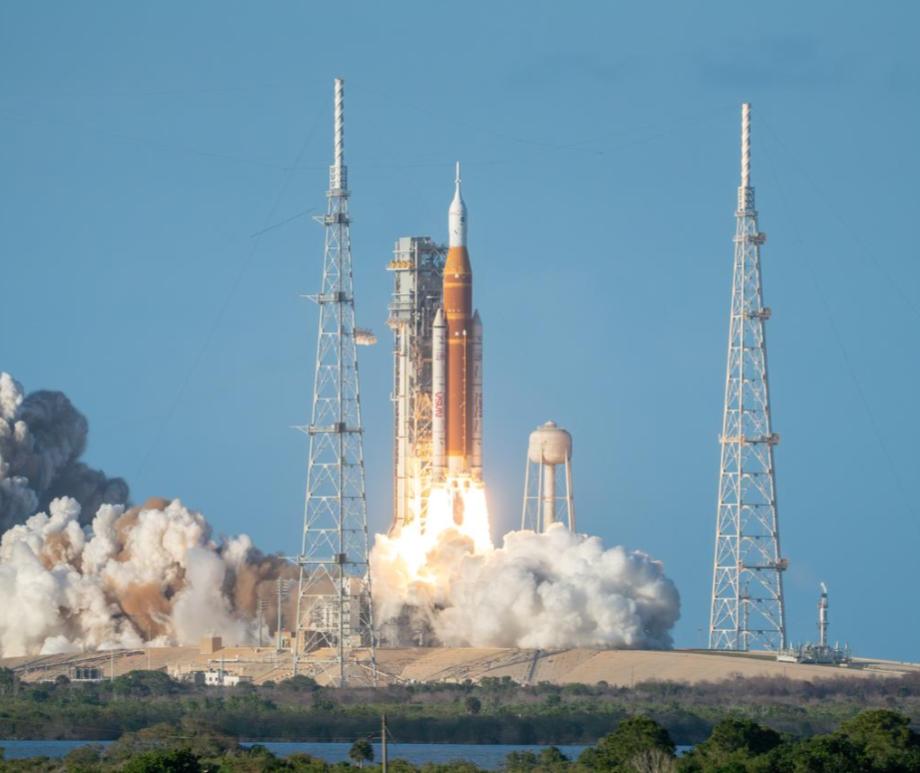
Artemis II astronauts make historic moon flyby
April 6, 2026
The astronauts of Artemis II are the farthest humans have ever been from Earth Read more
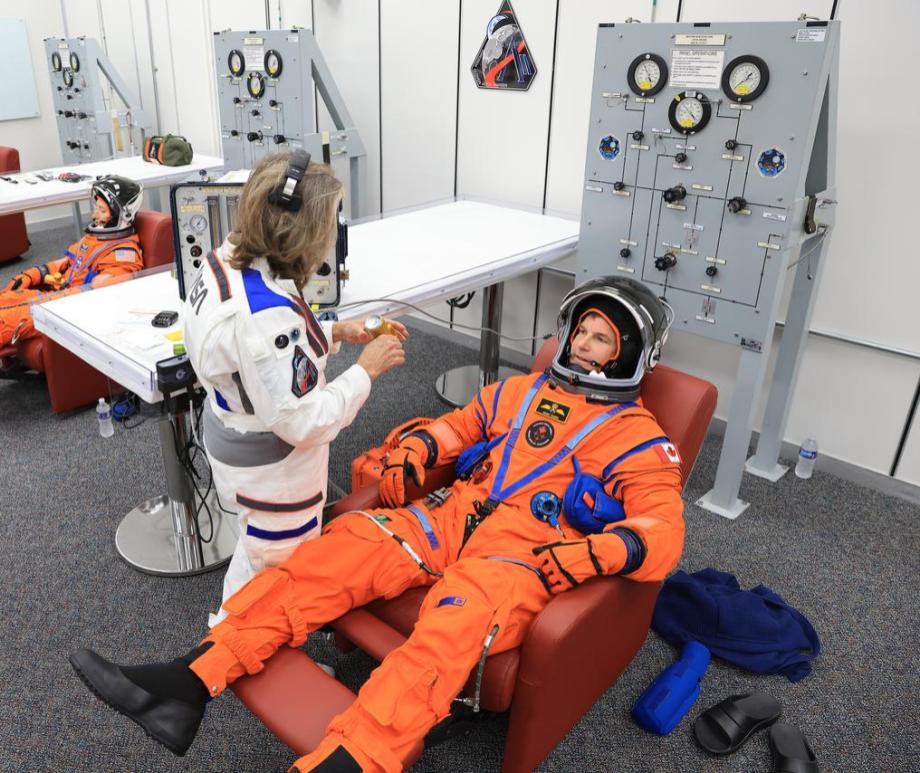
Artemis II brings new space medicine opportunities
March 31, 2026
Physicians and scientists will learn more about how space travel affects physical and mental health. Read more
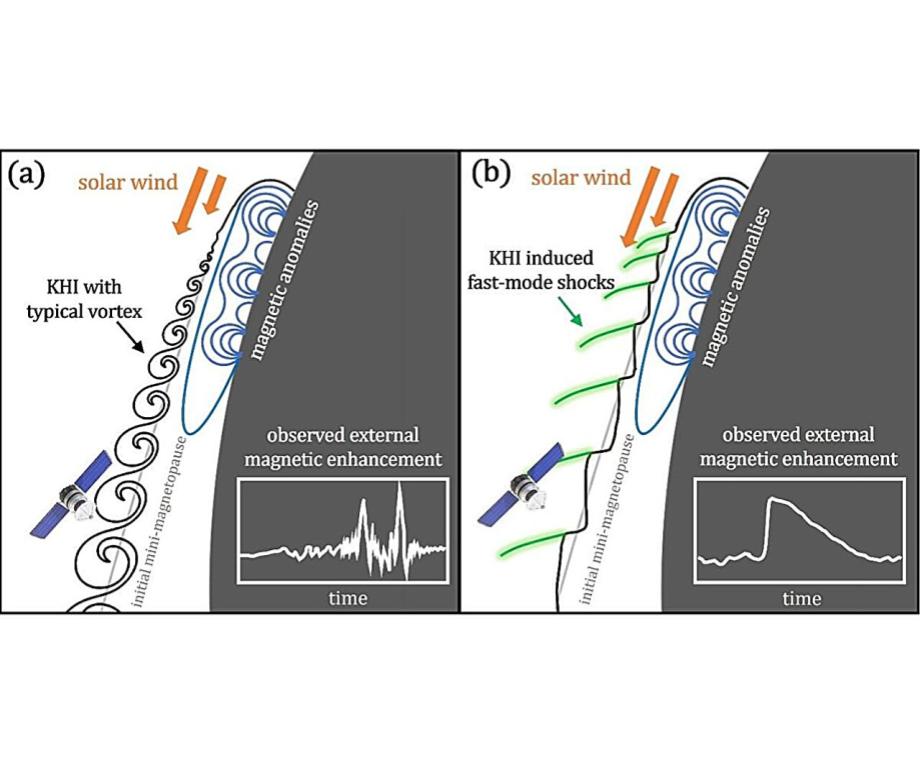
A 60-year old mystery about the moon's magnetosphere is finally solved
March 16, 2026
Scientists have found an explanation for sudden spikes in its magnetic field. Read more
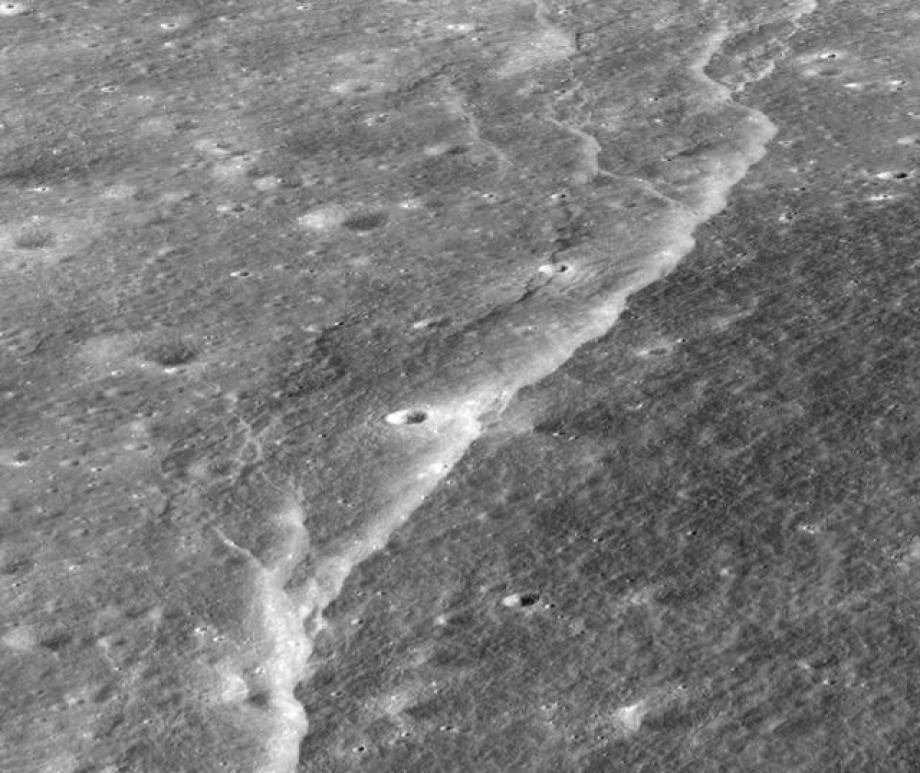
Making hummus on the moon? Scientists just grew chickpeas in simulated lunar dirt
March 5, 2026
Symbiotic mixtures of fungi and compost could transform sterile lunar regolith into a soil suitable for growing crops on the moon. Read more
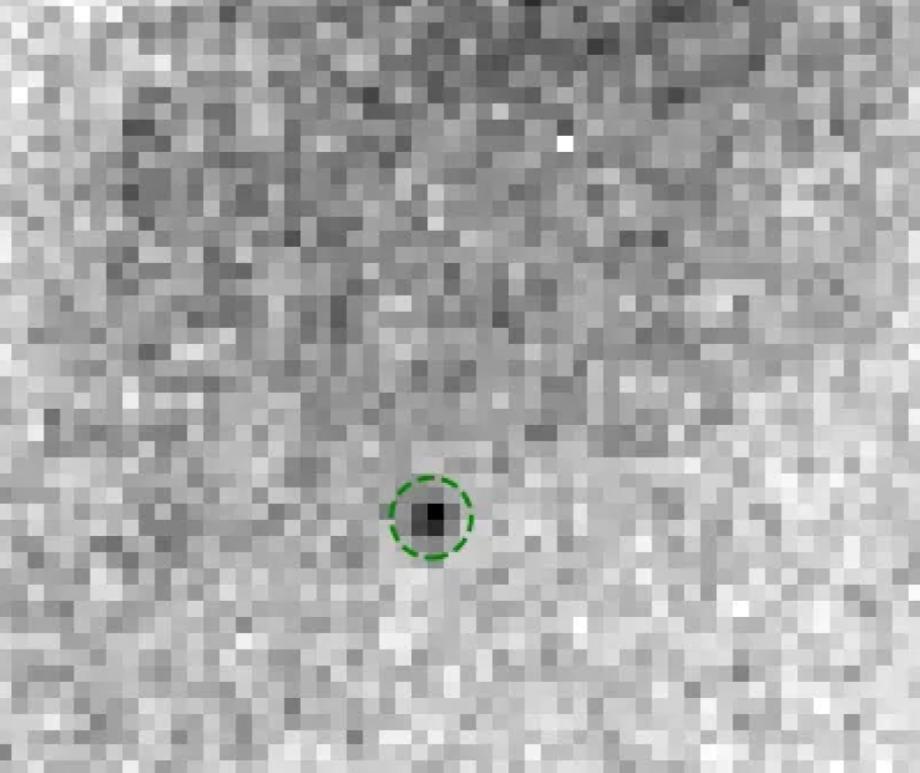
Good news for the moon: Famous asteroid 2024 YR4 won't smash into it in 2032
March 5, 2026
Had the asteroid hit the moon, it would have carved out a crater in an impact with the energy of a nuclear bomb. Read more
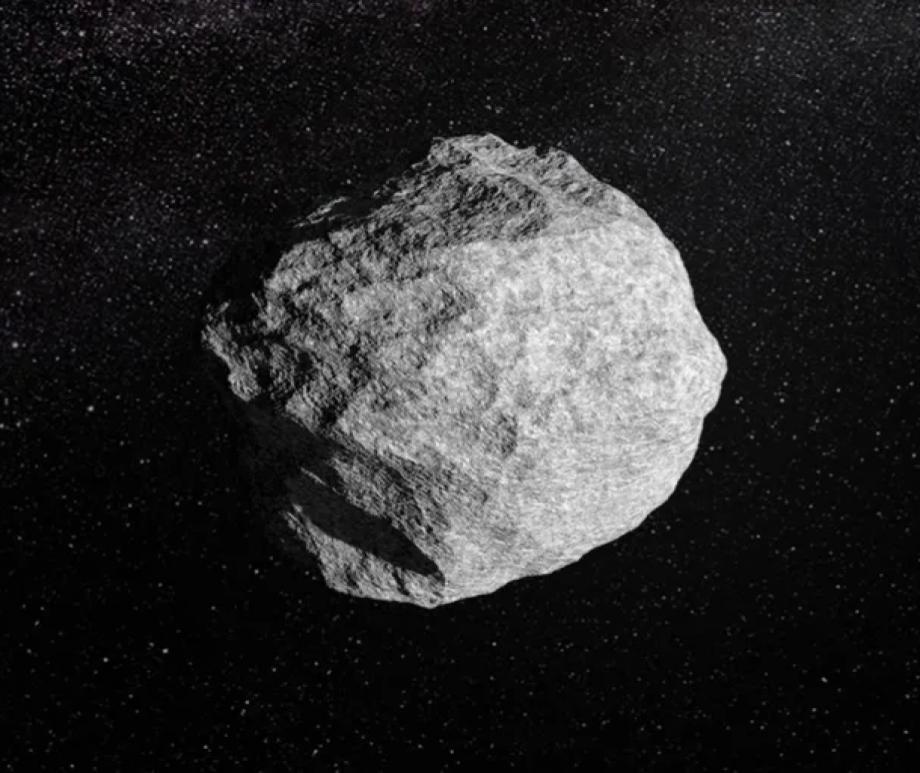
An asteroid might slam into the Moon in 2032 and create a fiery flash that’s visible to Earthlings
February 9, 2026
Currently, NASA estimates that asteroid 2024 YR4 has a 4.3 percent chance of hitting our lunar companion Read more
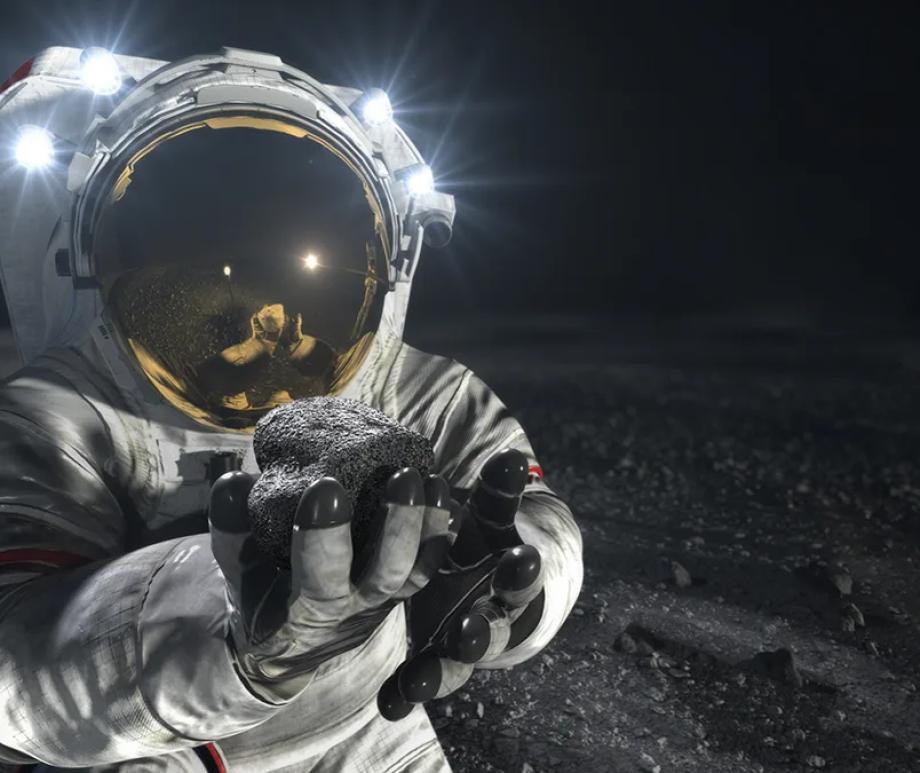
Missions like Artemis could be preventing us from discovering the secrets of life on Earth
January 24, 2026
Exhaust methane pumped out by the lunar spacecraft could contaminate the Moon. Read more
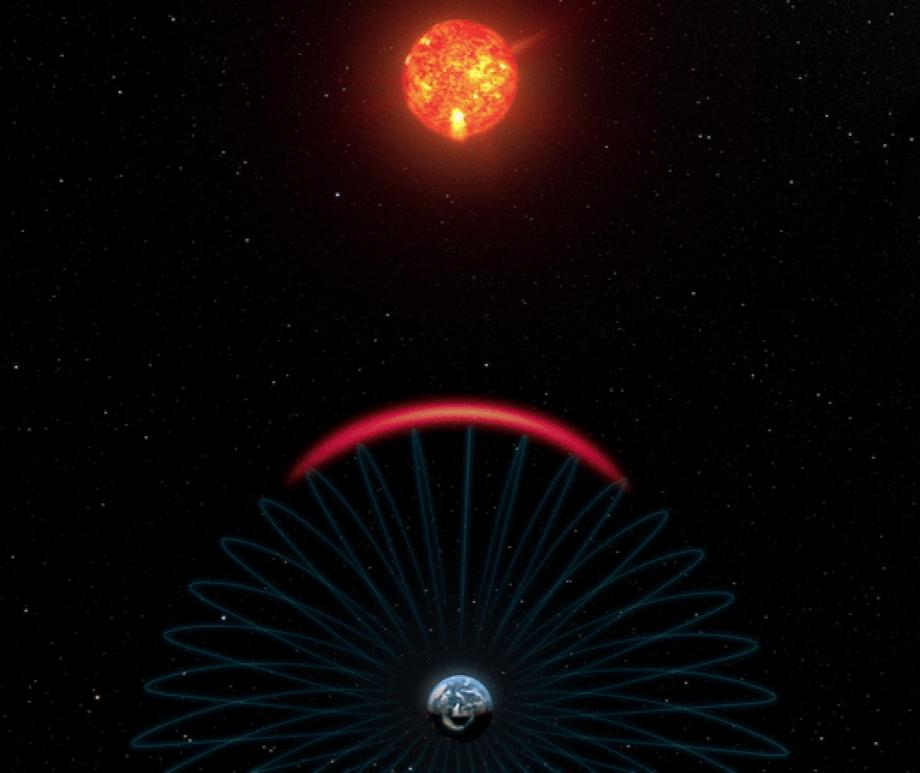
Good news for lunar bases? Earth's atmosphere leaks all the way out to the moon
December 15, 2025
When astronauts next go to the moon, they'll find a little bit of home waiting for them. Read more
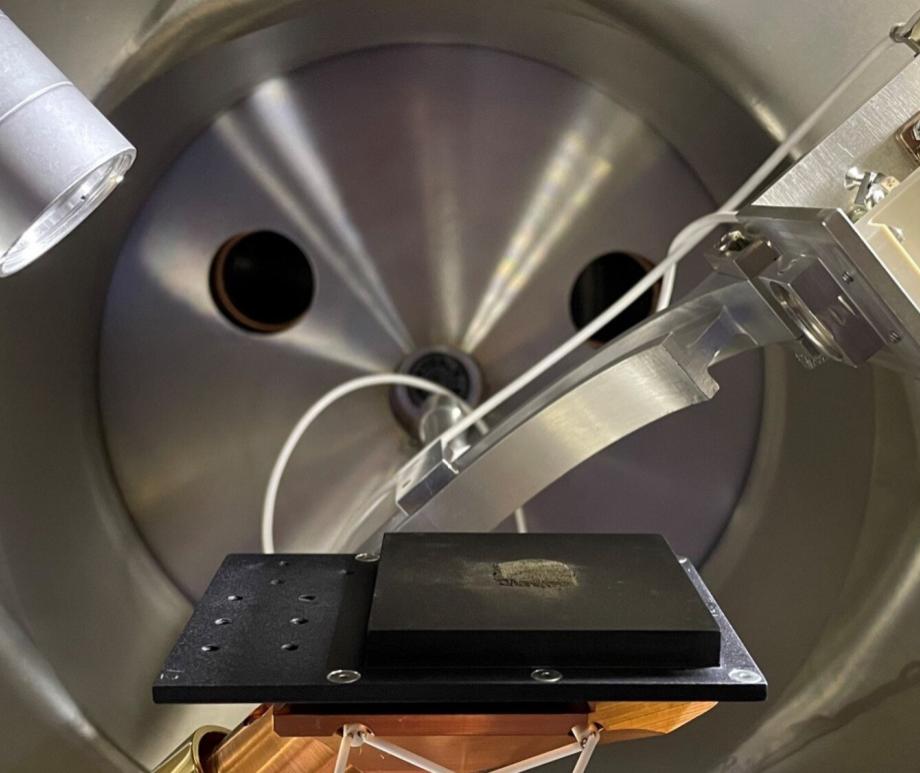
Lunar soil analyses reveal how space weathering shapes the moon's ultraviolet reflectance
December 10, 2025
The discovery will help interpret regional and global far-ultraviolet maps of the moon. Read more
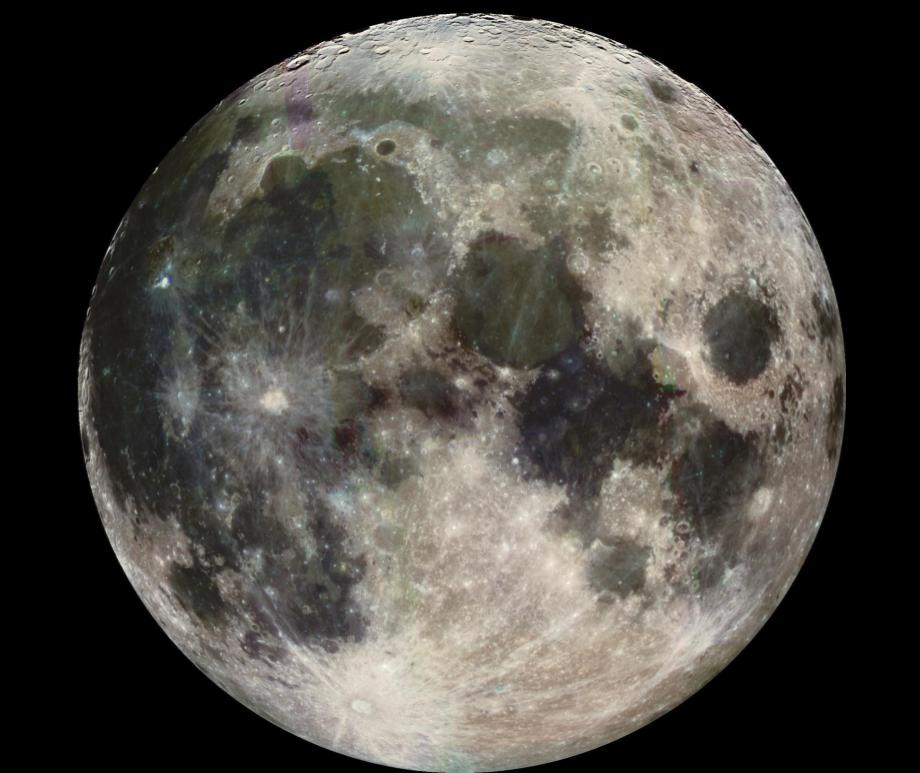
The man in the Moon gets a new scar
November 20, 2025
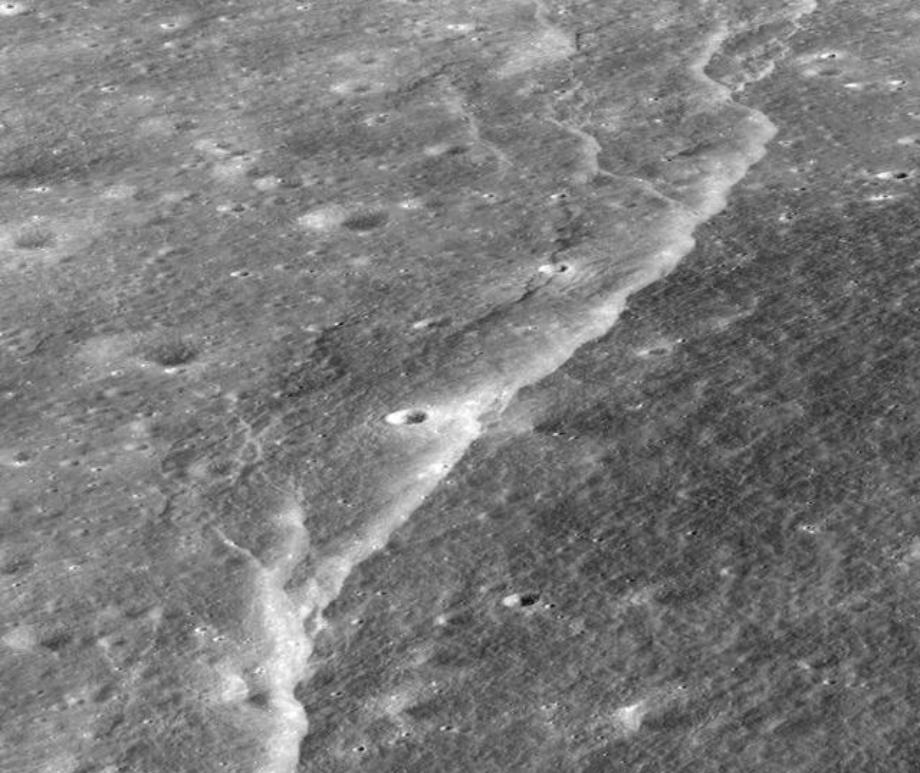
While the days of basin forming impacts are largely over, the Moon is still struck by objects creating smaller, fresh craters. Read more
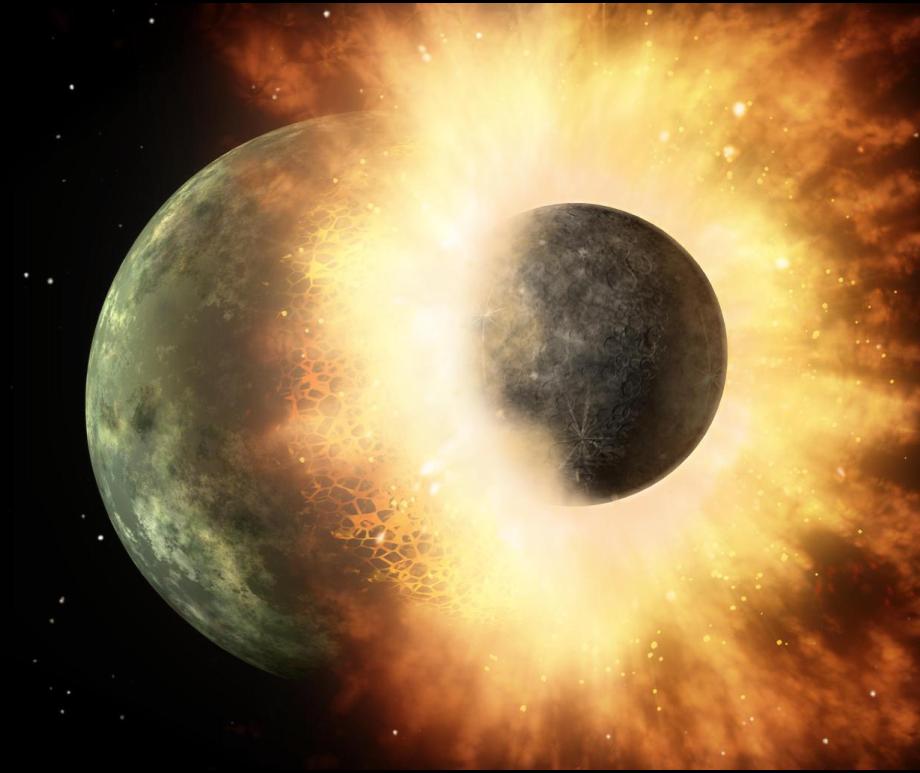
Earth and Theia smashed to birth the moon, but did they first start out as close neighbors?
November 20, 2025
"The most convincing scenario is that most of the building blocks of Earth and Theia originated in the inner solar system." Read more
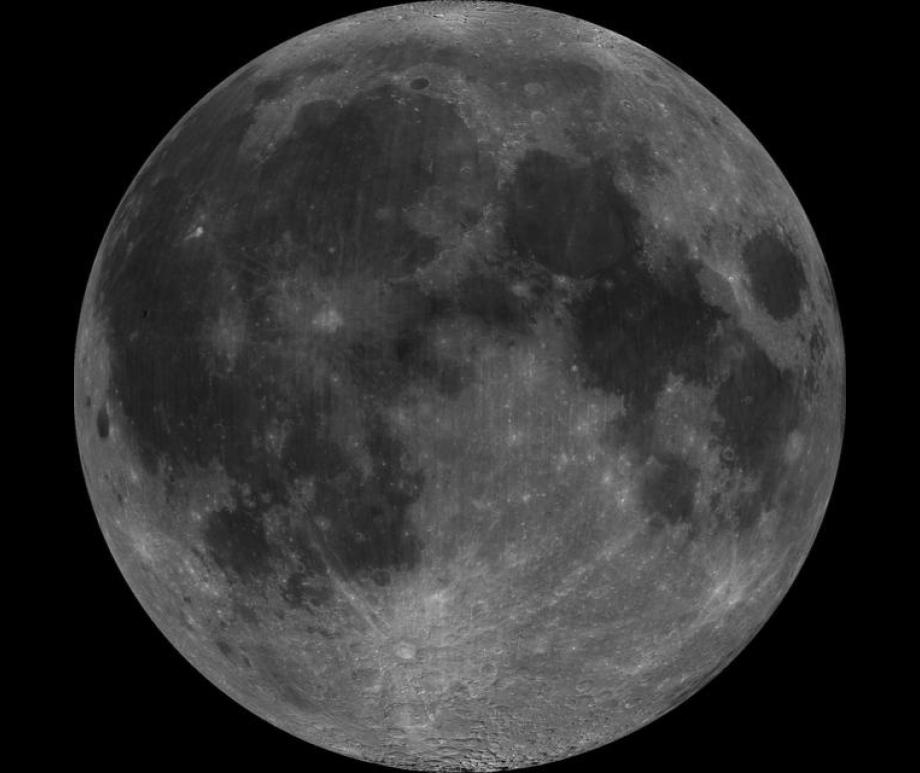
The moon's largest crater didn't form in the way we thought
October 22, 2024
The impact that carved out the South Pole-Aitken basin on the moon appears to have come from the north, not the south as previously thought Read more
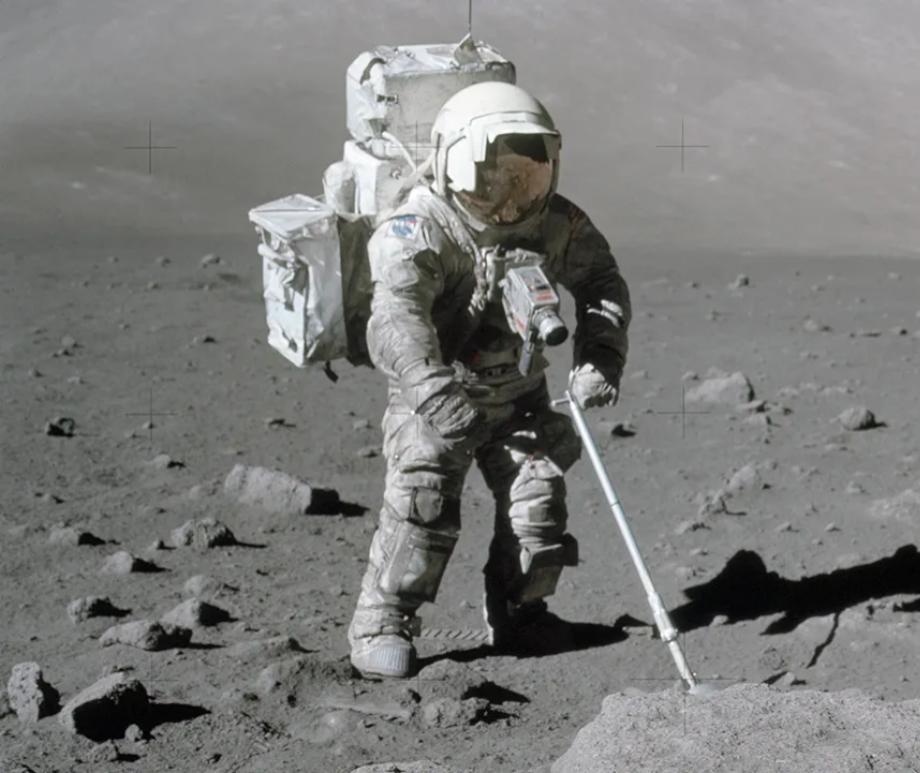
A tiny Apollo 17 moon rock is unlocking a secret lunar history
September 26, 2025
The small chunk of rock could be telling us that many of the moon’s largest impacts happened over 4.25 billion years ago. Read more
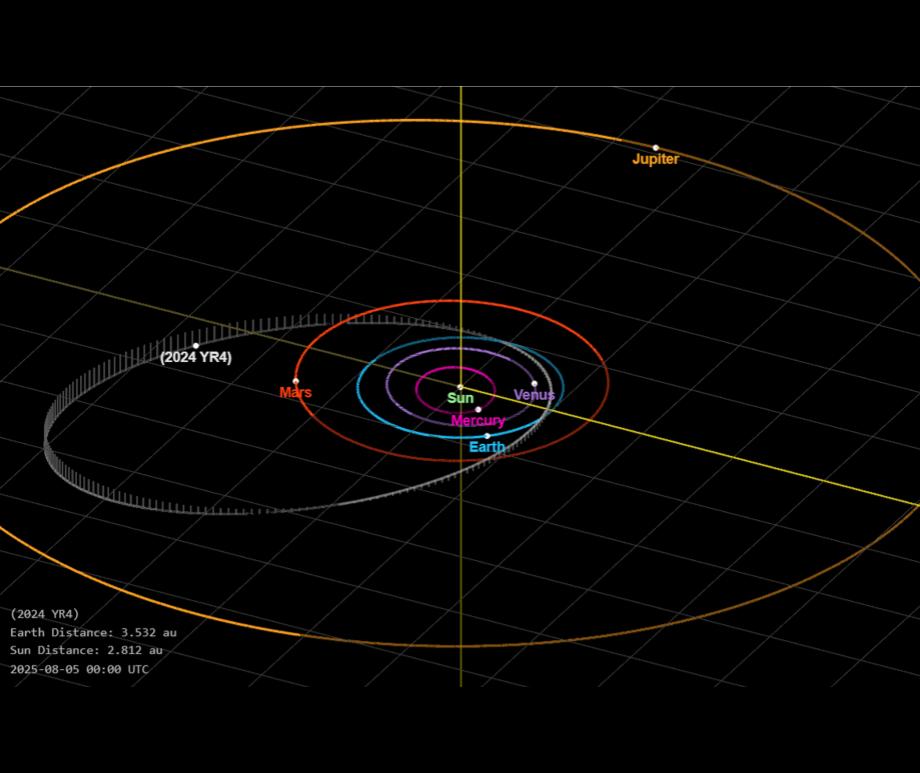
Astronomers weigh nuclear option to stop Moon-bound asteroid
September 25, 2025
Astronomers weigh nuclear options to prevent asteroid 2024 YR4 from striking the Moon and sending debris toward Earth Read more
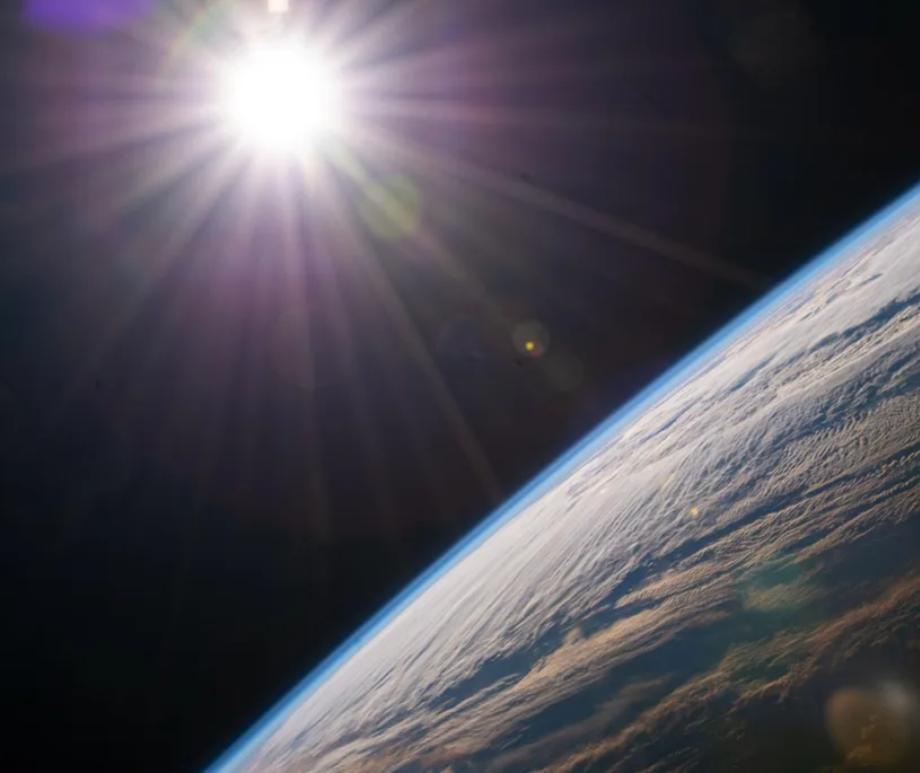
Astronomers say Earth has a newly discovered ‘quasi-moon'
September 22, 2025
Researchers are discussing 2025 PN7, a small celestial body that’s following a similar orbital path to our planet’s Read more
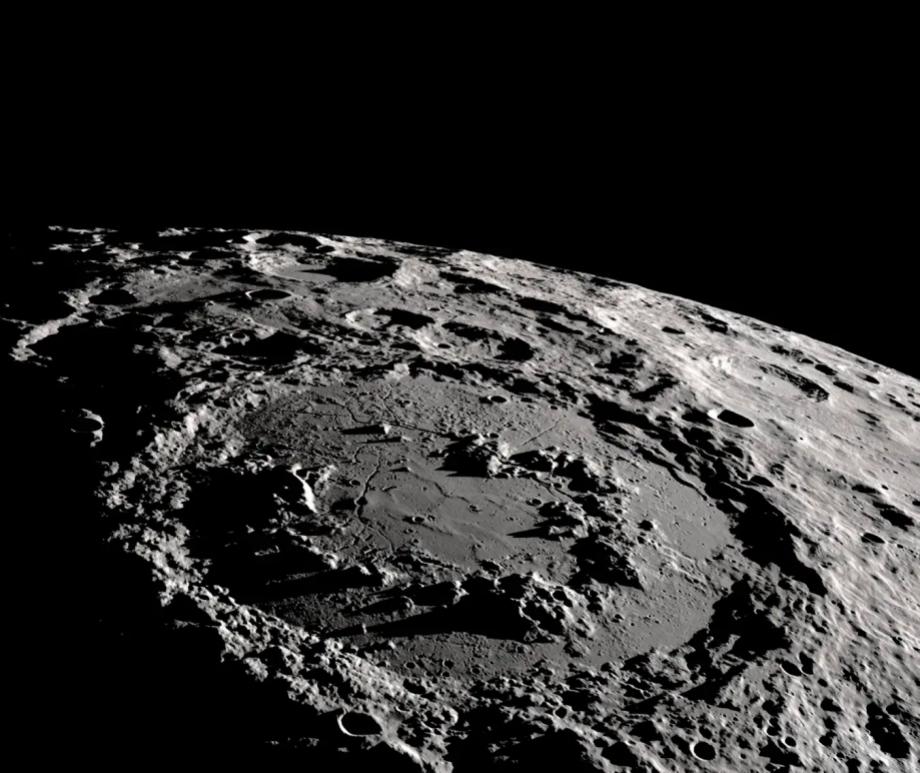
Lunar missions may contaminate the moon with hardy Earth microbes
September 16, 2025
Some common species of bacteria and fungi could survive for several days on the moon's surface Read more
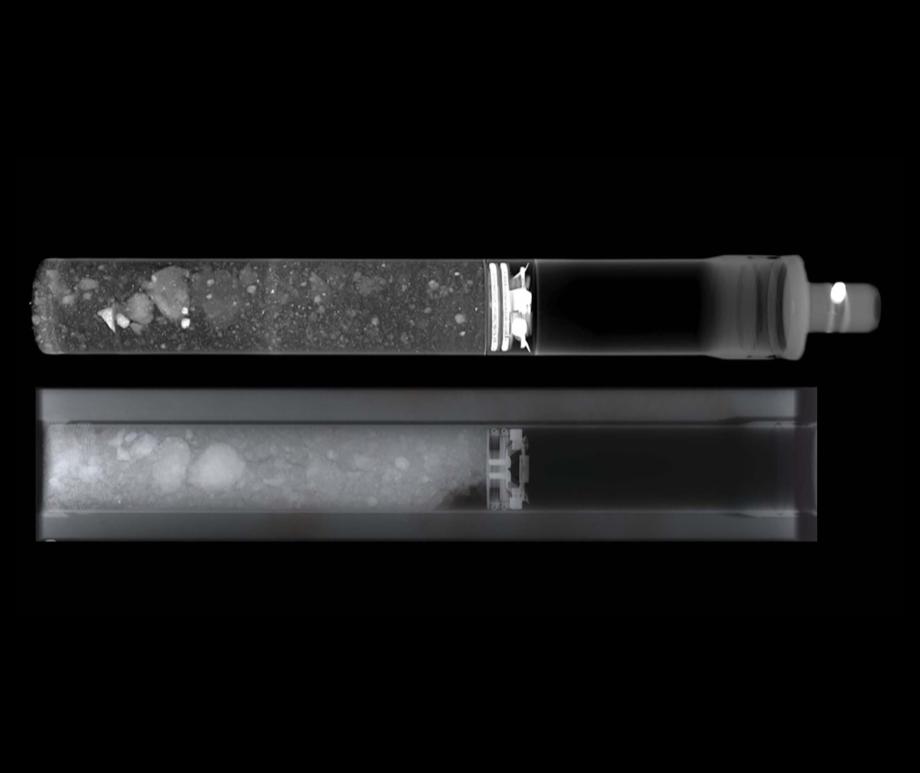
Apollo Moon sample opened after 50 years contains evidence of extraterrestrial landslide
August 19, 2025
Even 50 years later, the Apollo program is still making groundbreaking discoveries Read more
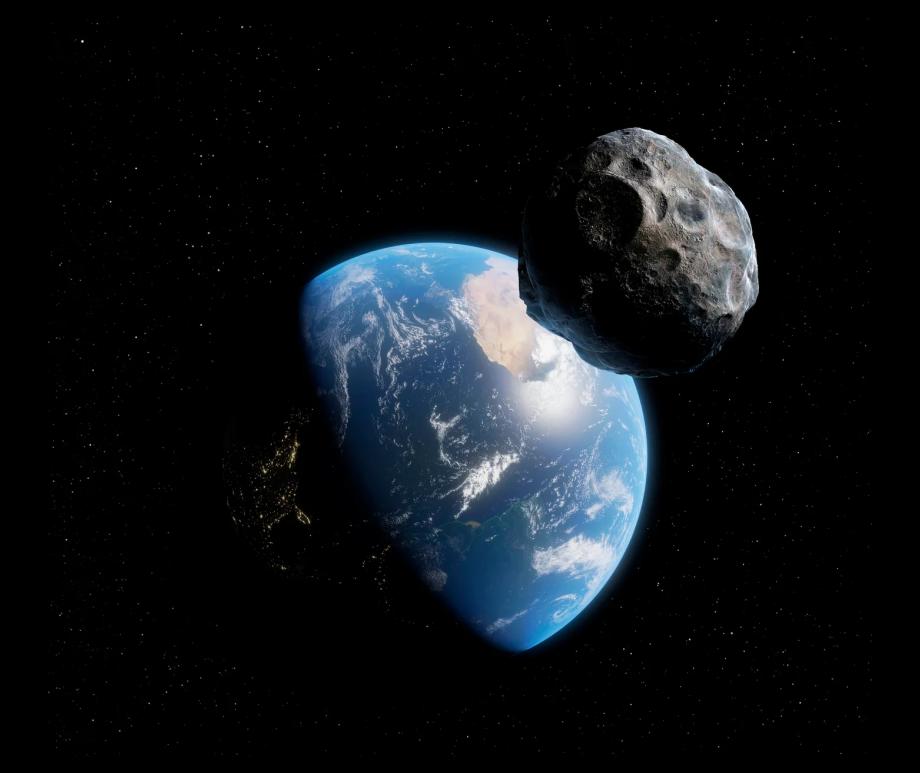
Scientists say a shower of space rocks orbiting Earth could be chunks of the Moon
August 5, 2025
One of Earth's co-orbital bodies has a spectral signature closely matching lunar rocks Read more
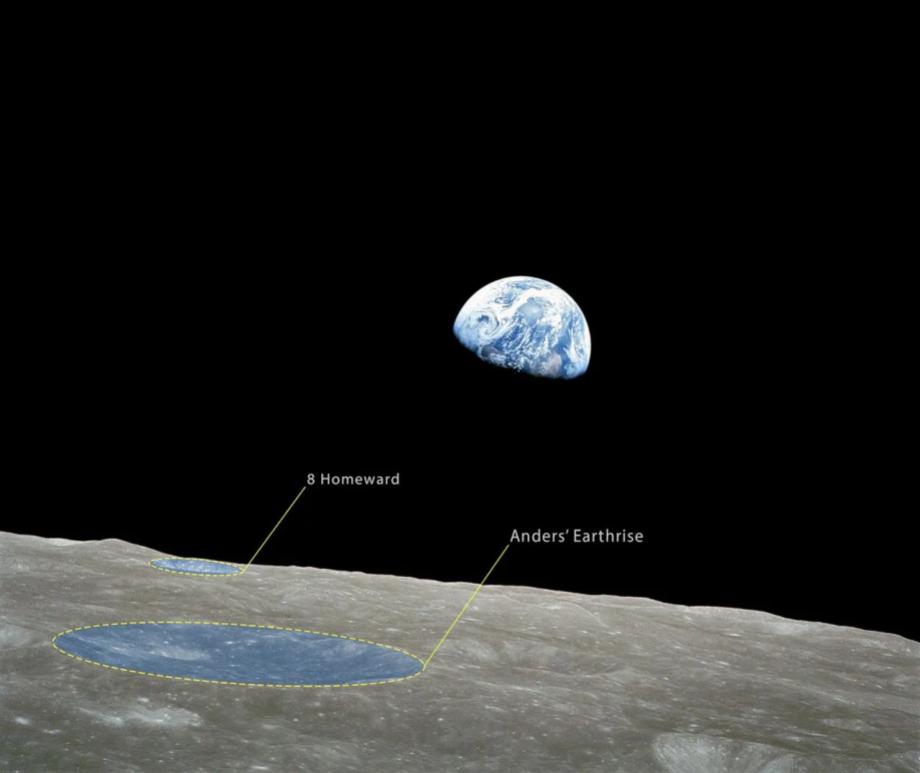
Scientists scan famous 'Earthrise' crater on mission to find alien life in our solar system
August 2, 2025
A large lunar crater has just helped the European JUICE spacecraft hone its alien-hunting instruments Read more
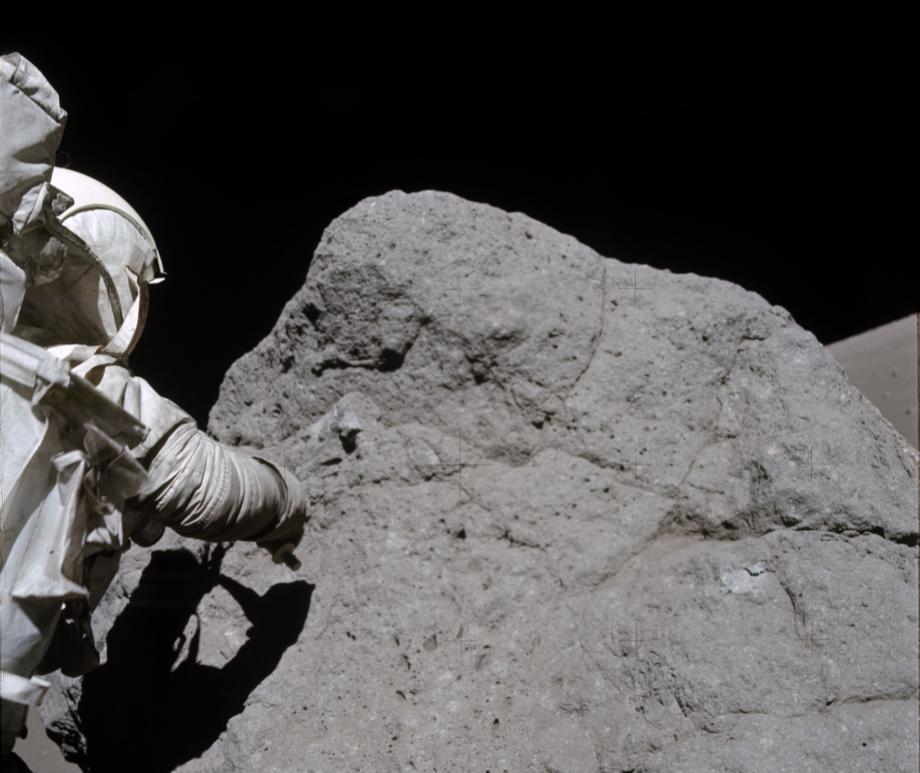
Seismic activity on the moon could pose risk to long-term lunar infrastructure
July 30, 2025
Ground acceleration from moonquakes was responsible for shifting lunar landscapes Read more
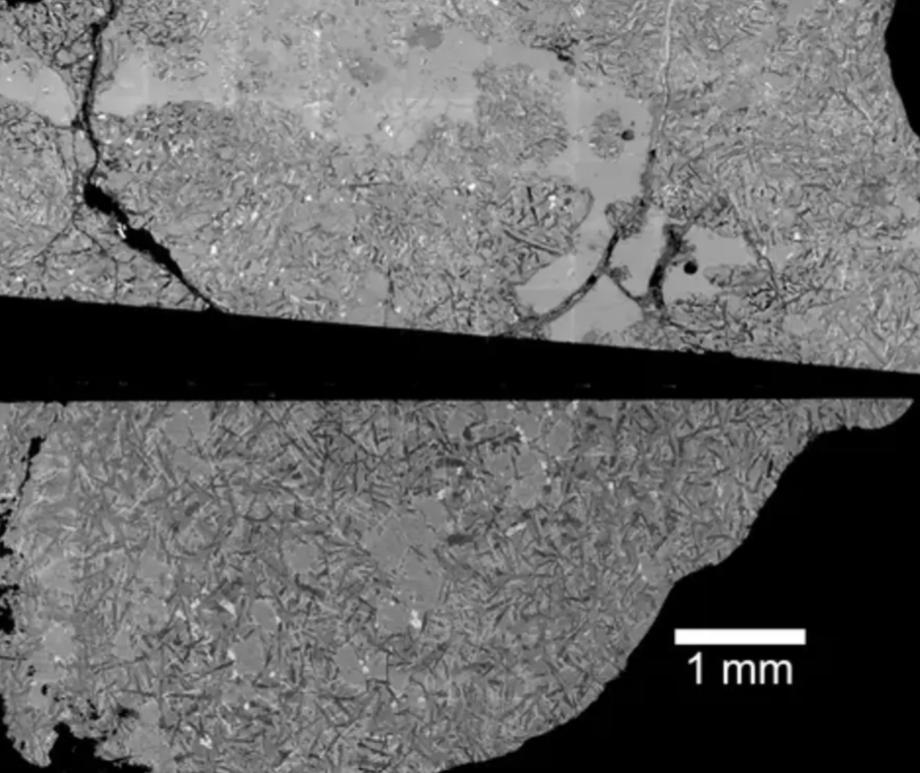
2 billion-year-old moon rock found in Africa reveals secret lunar history
July 17, 2025
The meteorite is the only lunar sample that we have from this forgotten period of the moon. Read more
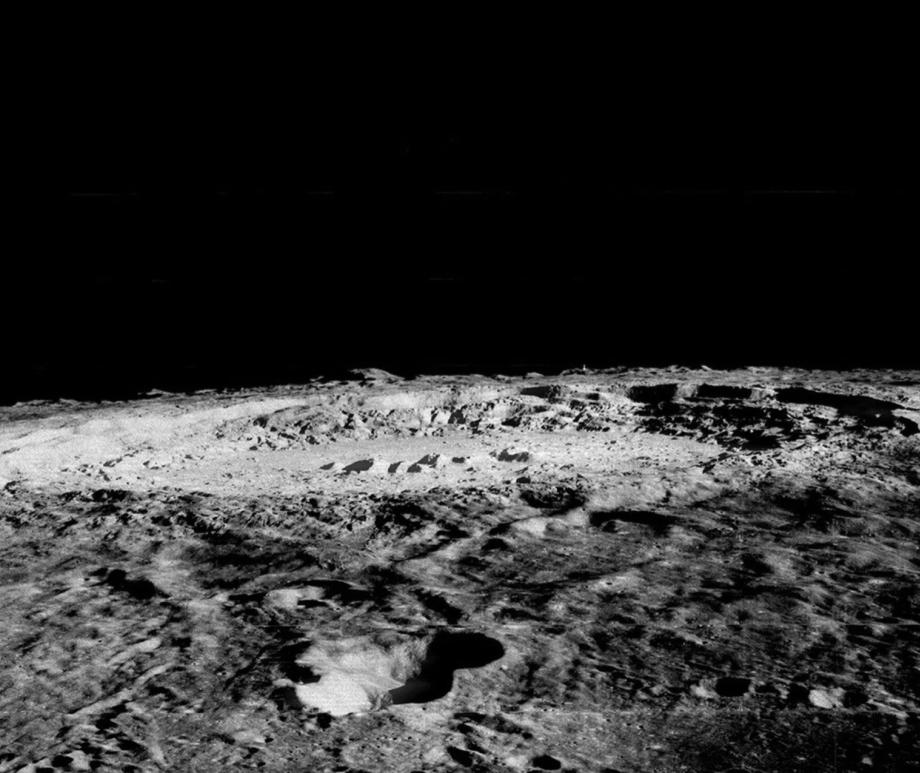
The moon doesn't have a magnetic field, so why does it have magnetic rocks?
May 23, 2025
An ancient asteroid impact may be to blame. Read more
Fascinating Facts About Earth's Moon
- If the sun were as tall as a typical front door, Earth would be the size of a nickel and the moon would the size of a green pea.
- The moon is Earth's only natural satellite and orbits the Earth at a distance of about 384 thousand kilometers (239 thousand miles) or 0.00257 AU.
- The moon makes a complete orbit around Earth in 27 Earth days and rotates or spins at that same rate, or in that same amount of time. This causes the moon to keep the same side towards Earth throughout the course of its orbit.
- The moon is the fifth largest moon in the solar system.
- The full moon appears 400,000 times less bright than the Sun does.
- The moon is the only celestial body beyond Earth that has been visited by human beings.
- The moon has a very thin and tenuous (weak) atmosphere called an exosphere.
Missions
LADEE (2013)
Mission to collect information about structure and composition of the lunar atmosphere
GRAIL mission (2011)
Mission to create high-resolution map of the Moon’s gravitational field
LCROSS (2009)
Mission to confirm the presence or absence of water ice in a shadowed crater near a lunar pole
Lunar Reconnaissance Orbiter (2009)
Mission to collect detailed information about the lunar environment
Chandrayaan-1 (2008)
ISRO mission to study geological, mineralogical and topographical characteristics of the Moon
Chang’e (2007-2018)
CNSA (China) lunar orbiter, lander and rover
KAGUYA (SELENE) (2007)
JAXA mission to understand origin of the Moon
Artemis Project (2007)
Repurposed THEMIS mission to study the Moon’s interactions with the Sun
Smart-1 (2003)
ESA mission to perform scientific observations of the Moon
Lunar Prospector (1998)
Mission to map moon’s surface composition
Clementine (1994)
Mission to make scientific observations of the Moon
HITEN (1990)
ISAS (JAXA) mission studying satellite orbit, data transmission and aerobraking
Apollo missions (1967-1972)
Mission to land humans on the moon and return them safely to Earth
Explorer Program (1967-1973)
Multiple missions carrying out a wide variety of scientific investigations
Surveyor probes (1966-1968)
Mission to determine if lunar terrain was safe for landing
Lunar orbiter program (1964-1967)
Missions to locate good landing sites for Apollo mission
Soviet Lunar Missions (1959-1976)
Mission to determine feasibility of manned lunar landings