

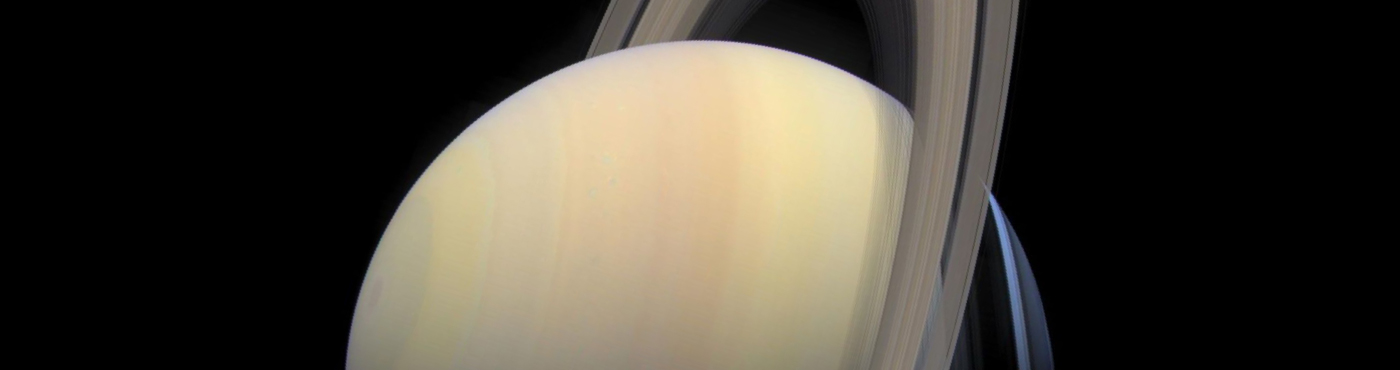
Find all the latest news on Saturns's moons, including Titan, the most Earth-like world in the Solar System, here.
Latest News About Saturn
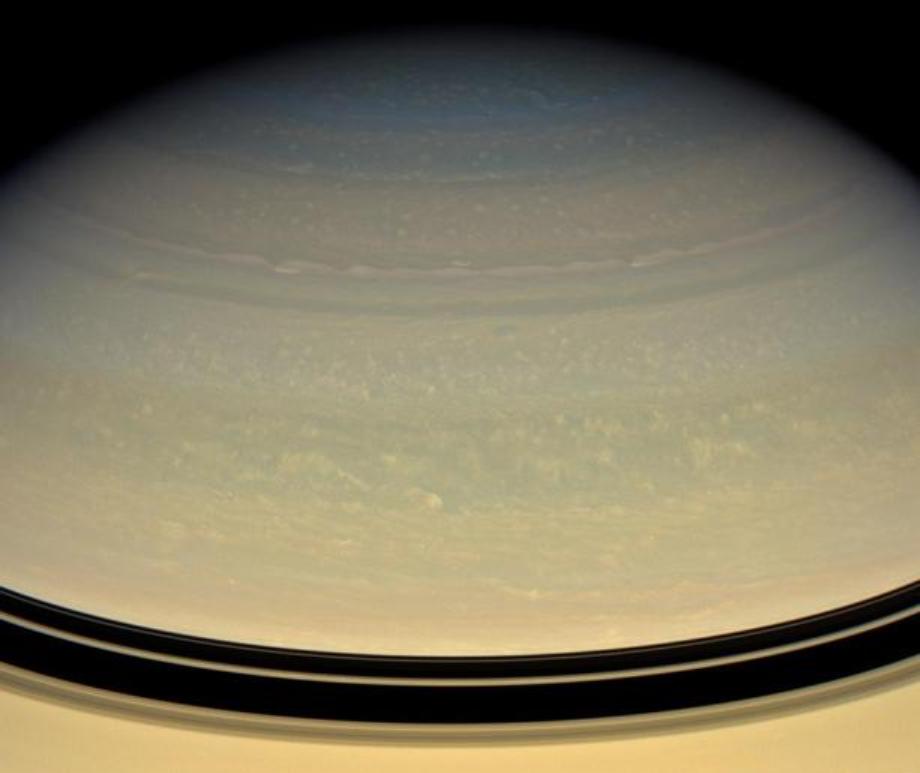
Astronomers finally solve Saturn’s decades-long spin mystery
May 29, 2026
Saturn’s changing “rotation rate” was never caused by the planet speeding up or slowing down, but by powerful winds high in its atmosphere. Read more
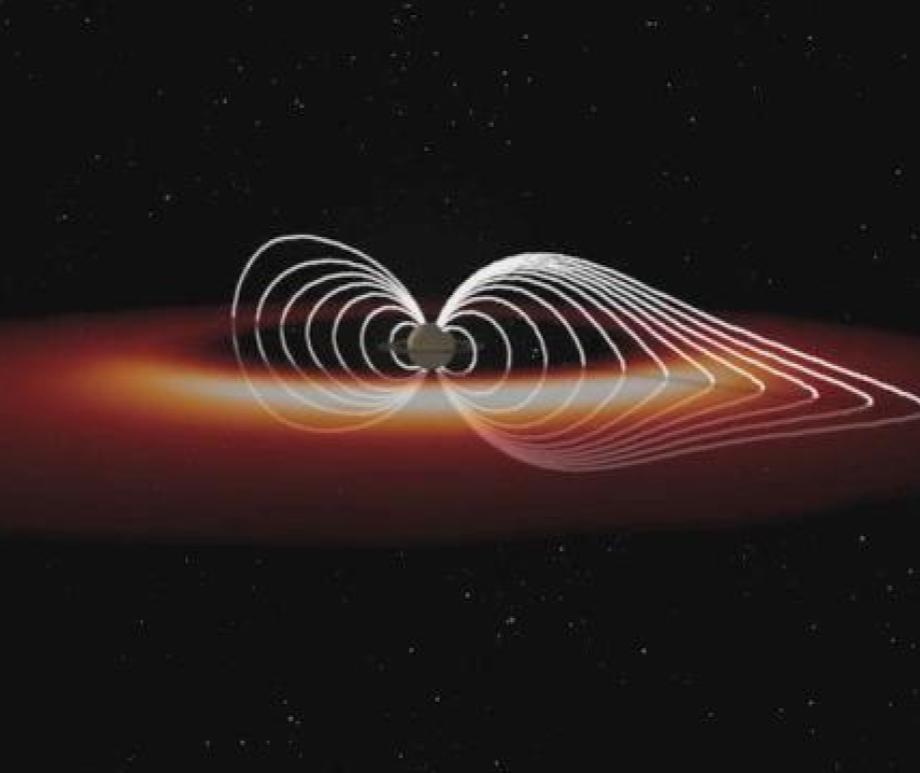
Saturn's magnetic field is curiously warped, and one of its moons may be to blame
April 1, 2026
"A better understanding of Saturn’s environment is especially urgent now as plans for our return to Saturn and its moon Enceladus start to be developed." Read more
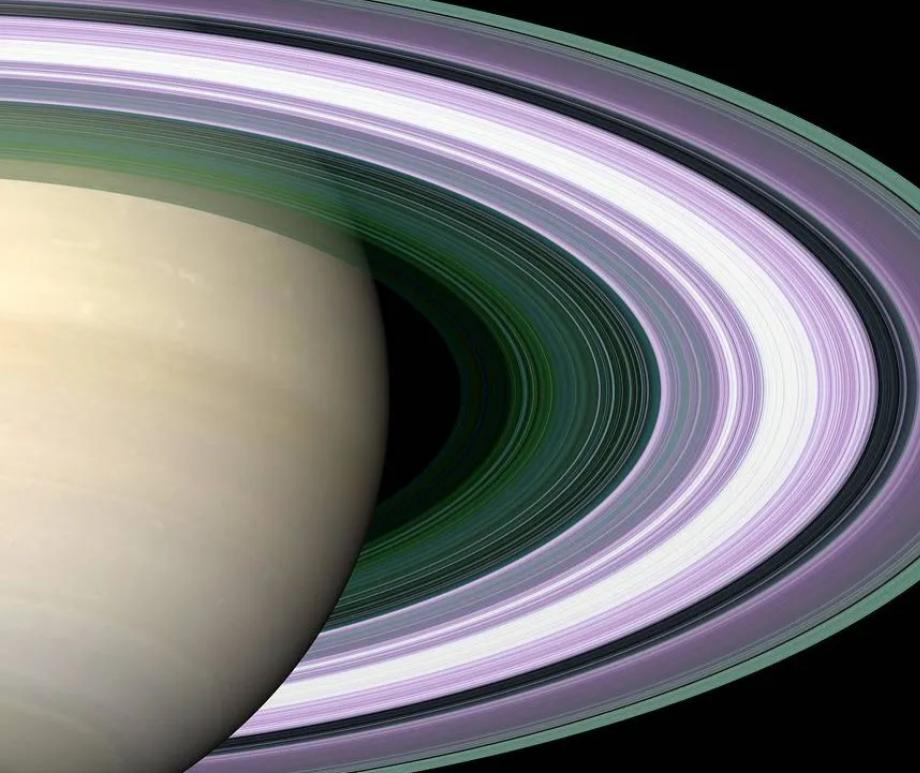
Are Saturn's rings made of a lost, shattered moon?
March 27, 2026
New evidence arises for the case. Read more
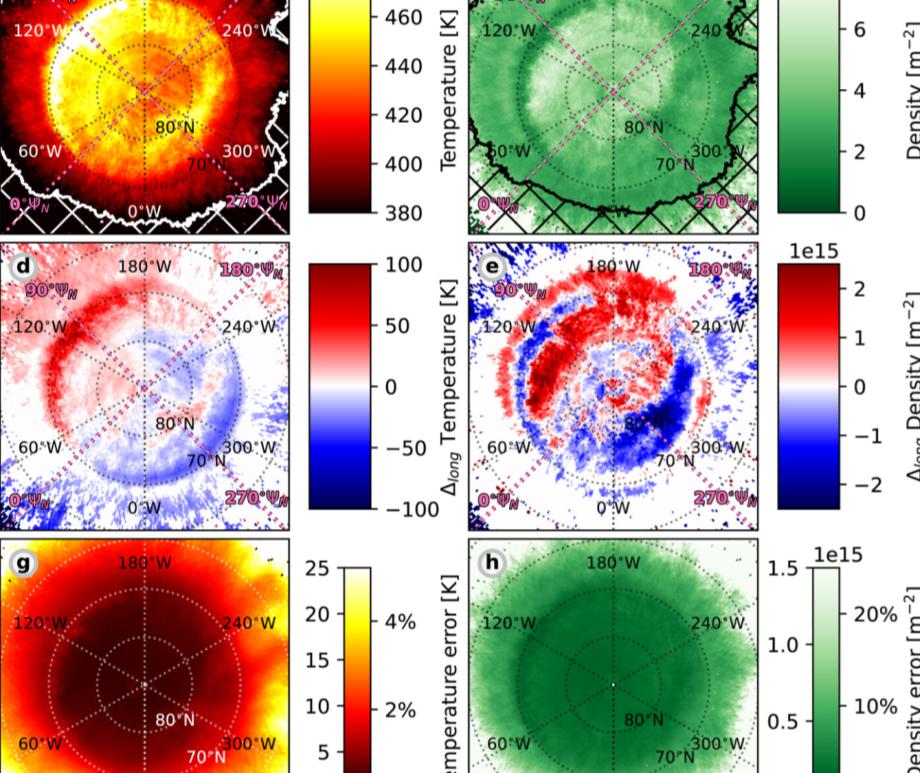
JWST solves decades-long mystery about why Saturn appears to change its spin
March 27, 2026
The new findings point to a self-sustaining feedback loop powered by the planet's own northern lights. Read more
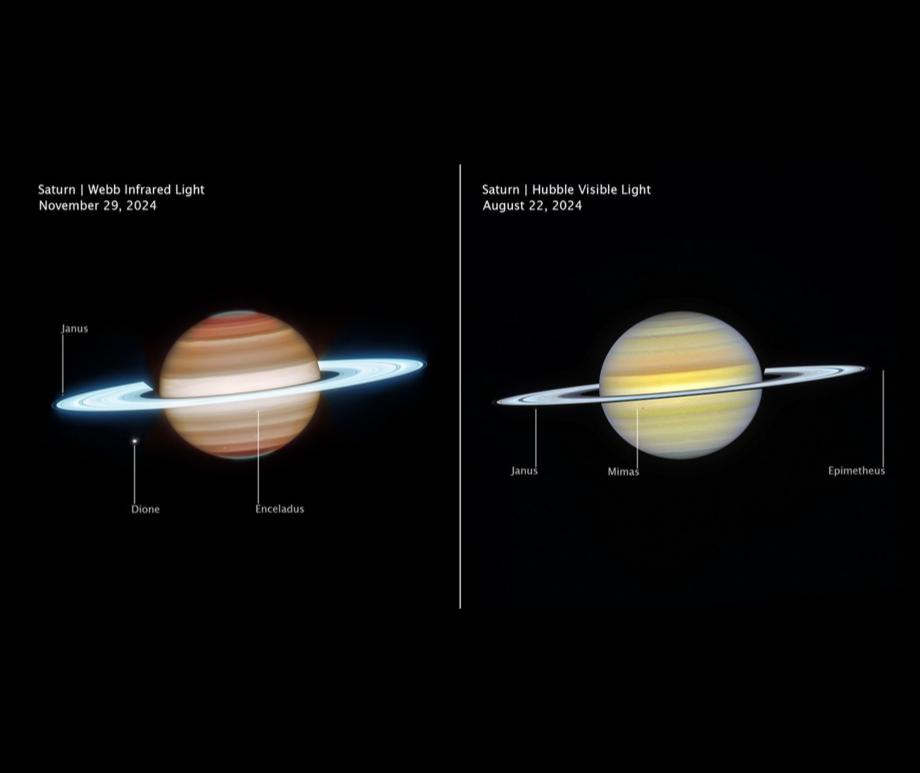
NASA Webb, Hubble share most comprehensive view of Saturn to date
March 25, 2026
The two telescopes have teamed up to capture new views of Saturn, revealing the planet in strikingly different ways. Read more
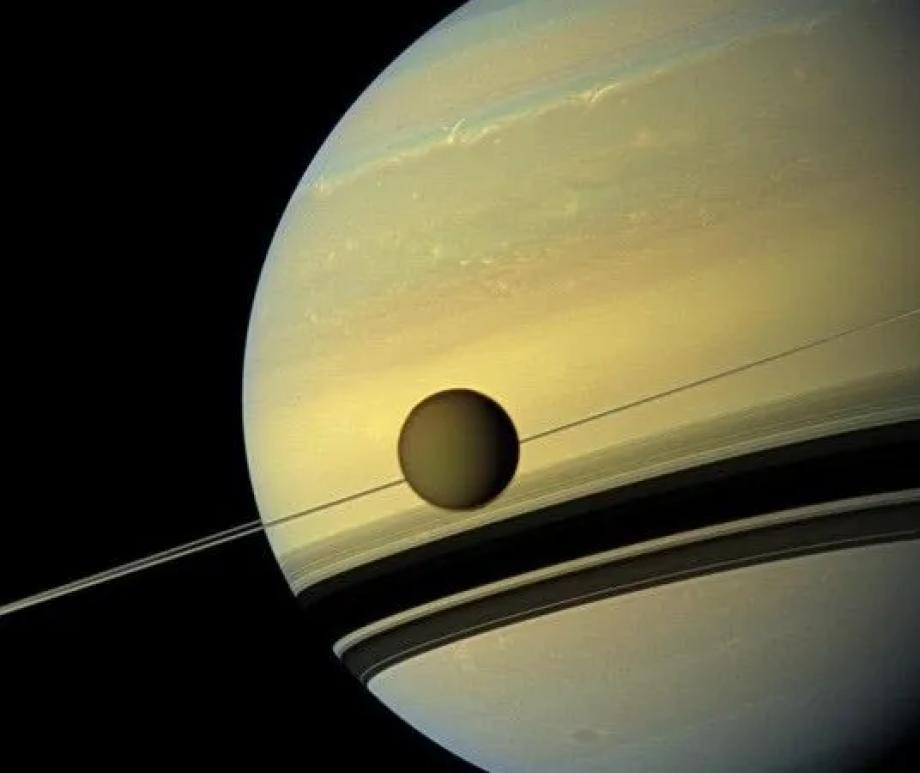
Did a titanic moon crash create Saturn's iconic rings?
February 17, 2026
Debris from the collision could have formed another moon of Saturn called Hyperion, and affected the tilt of Saturn itself. Read more
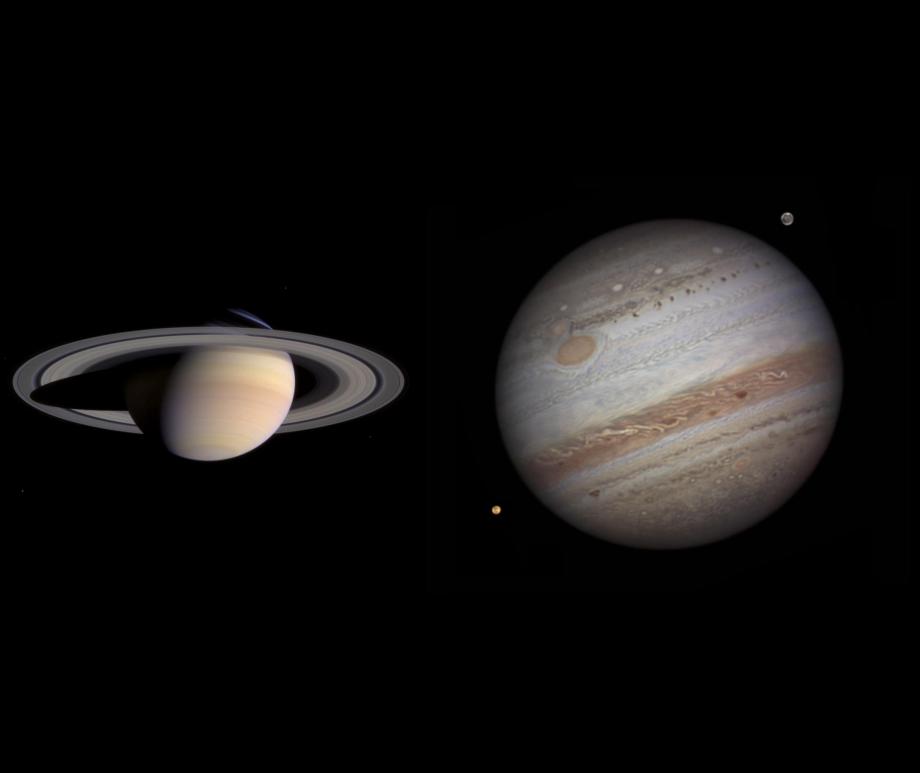
Mysterious polar weather on Jupiter and Saturn could be key to understanding their insides
January 23, 2026
"I don't think anyone's made this connection between the surface fluid pattern and the interior properties of these planets." Read more
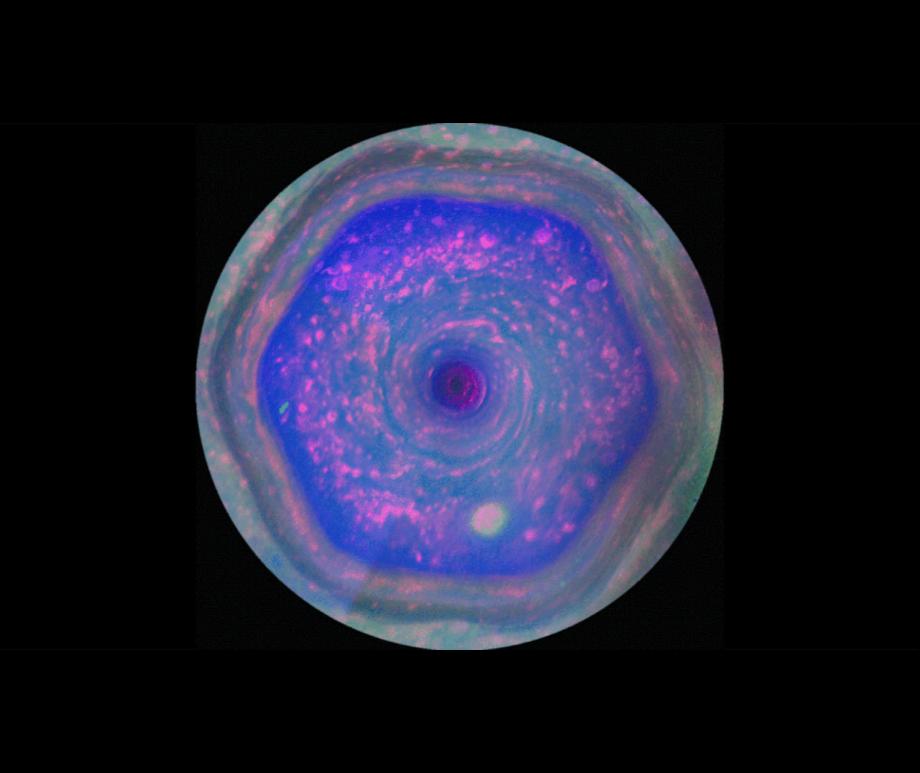
JWST finds strange 'dark beads' in Saturn's atmosphere
September 22, 2025
The beads could emerge from interactions between its magnetosphere and atmosphere. Read more
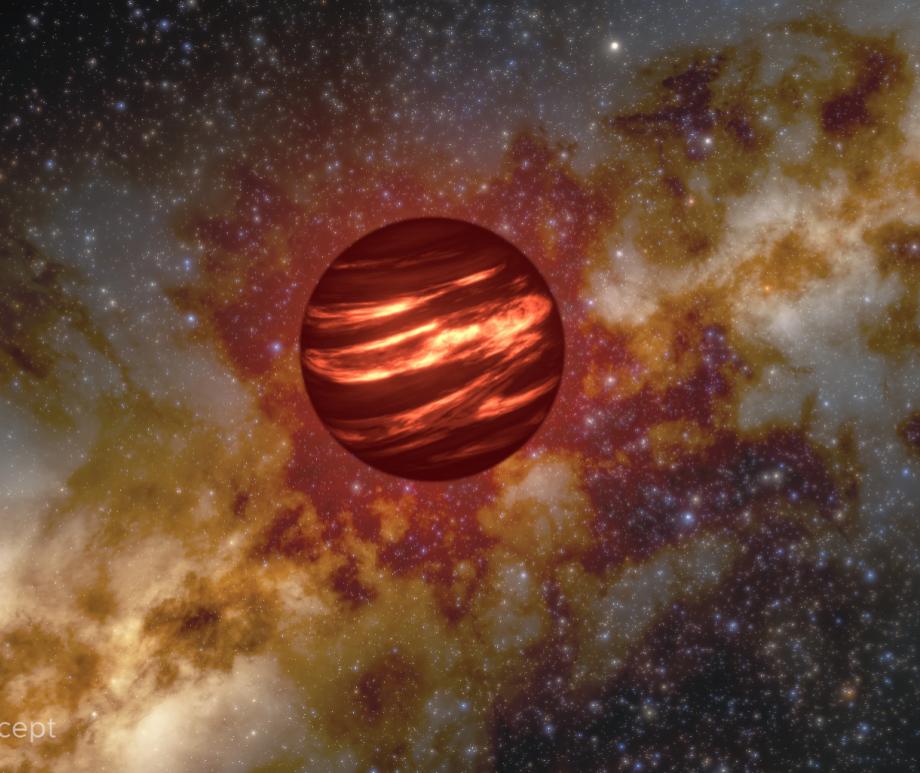
NASA study: celestial ‘accident’ sheds light on Jupiter, Saturn riddle
September 9, 2025
An unusual cosmic object is helping scientists better understand the chemistry in Jupiter and Saturn’s atmospheres. Read more
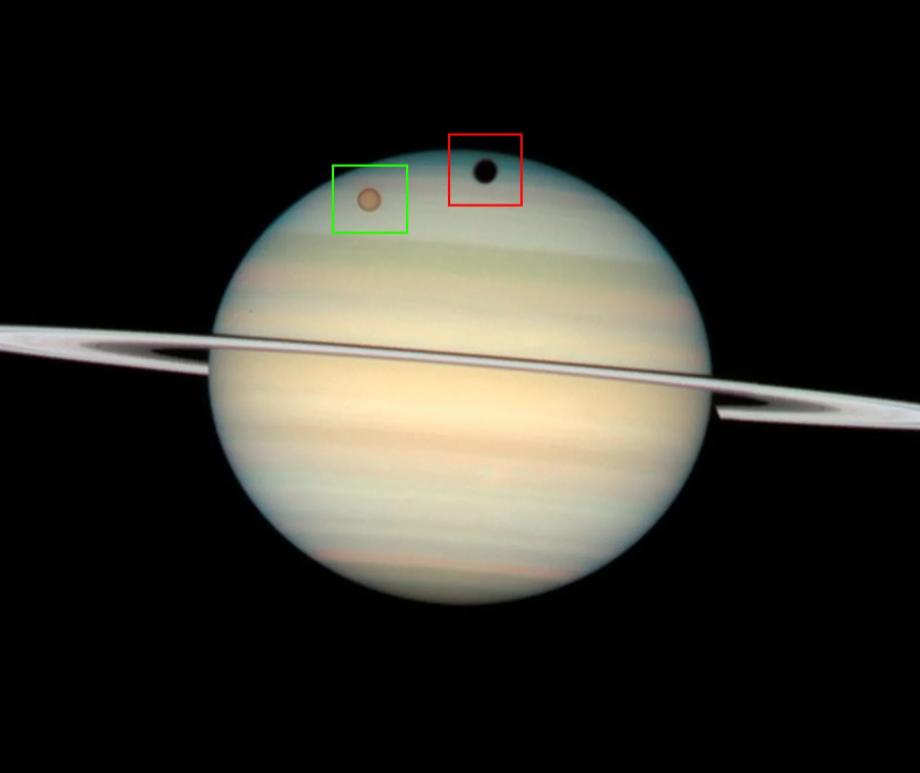
You can see a giant 'hole' shoot across Saturn this summer
June 26, 2025
And it won't happen again until 2040 Read more
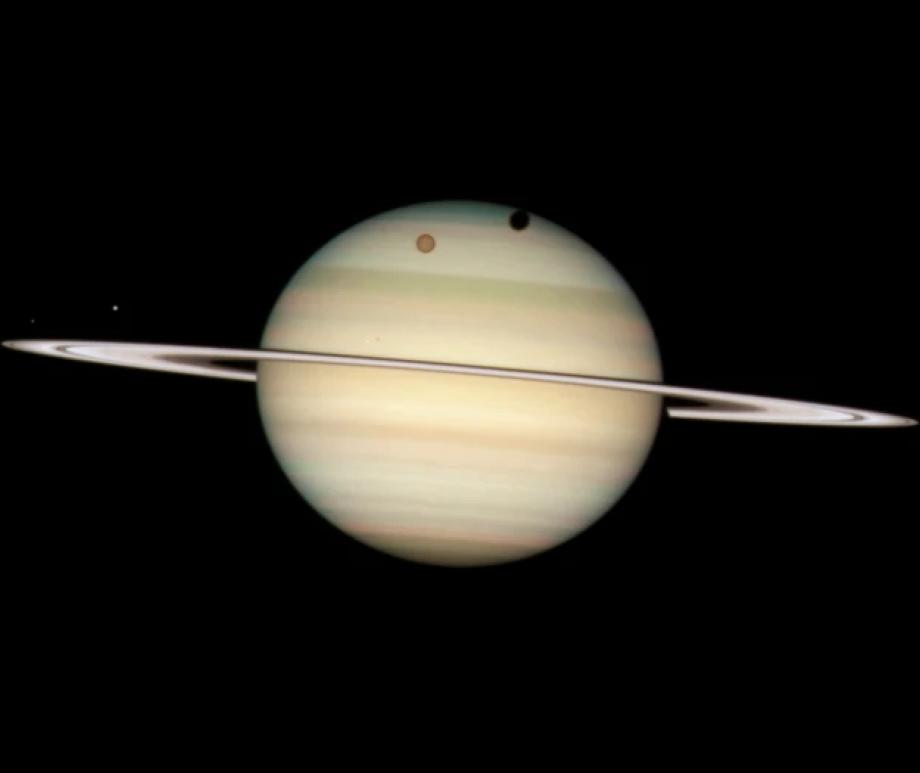
Saturn has a whopping 274 moons ― scientists want to know why
March 13, 2025
A huge haul of 128 newfound satellites might be a hint of past collisions in the planet’s orbit, or something else Read more
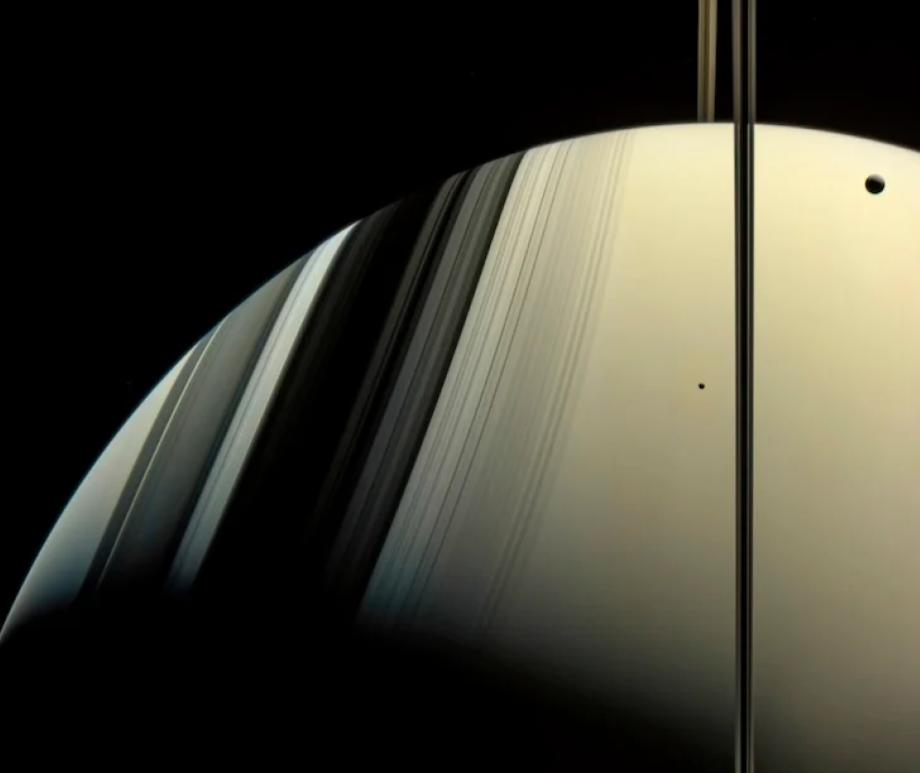
Do Saturn’s rings cast shadows?
February 17, 2025
NASA’s Cassini spacecraft took many dramatic images of the rings’ shadows on Saturn Read more
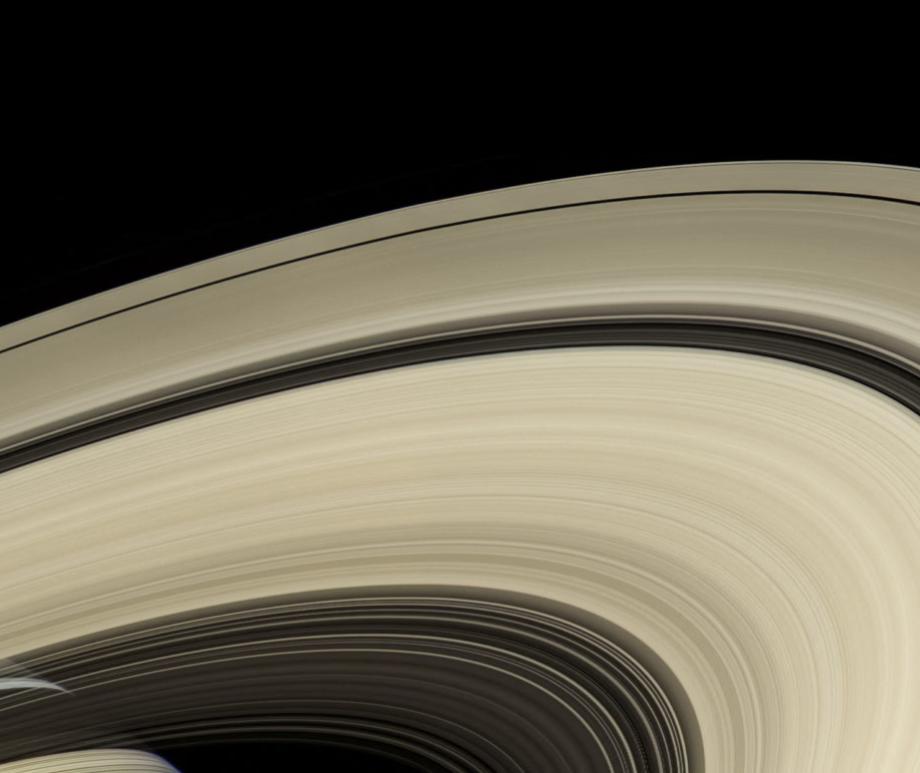
Saturn’s rings could be 4.5 billion years old just like the planet
December 16, 2024
New research suggests that Saturn’s rings may be older than they look Read more
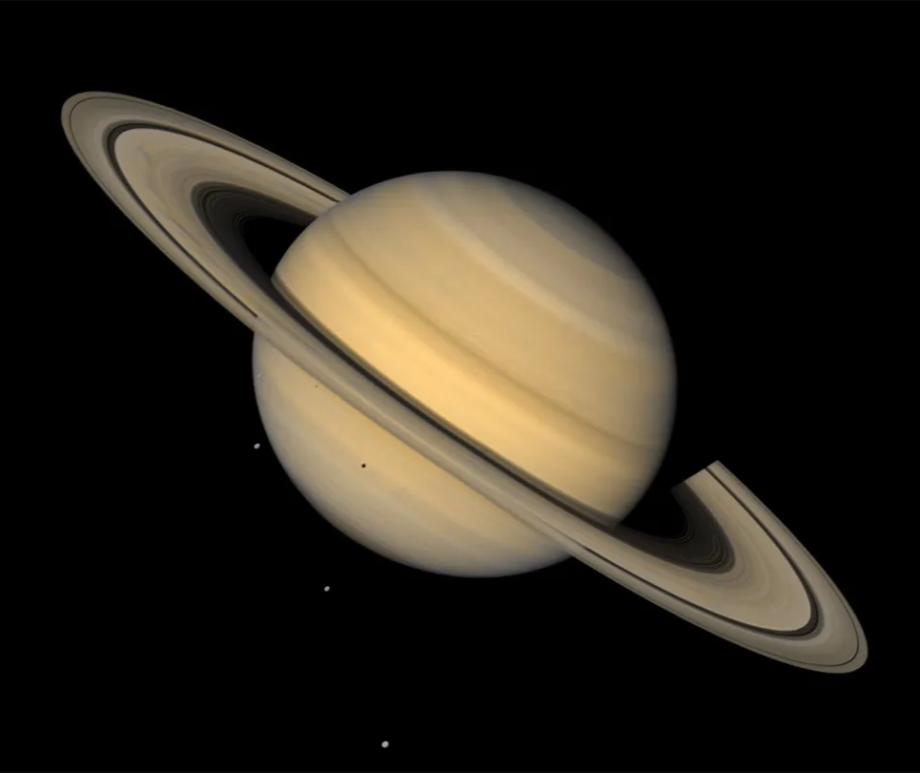
Saturn’s first Trojan asteroid has finally been discovered
October 11, 2024
All four giant planets now have known asteroids sharing their orbits Read more
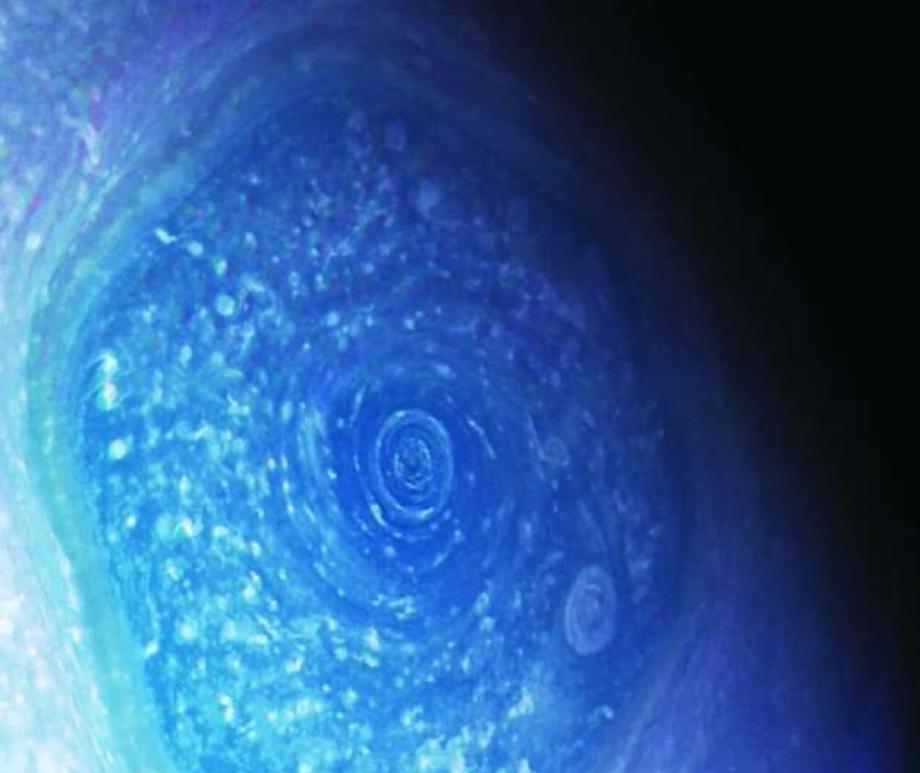
Polar jet stream could reveal Saturn's rotational period
October 9, 2024
Scientists believe that an atmospheric phenomenon could put to rest the oft-debated question. Read more
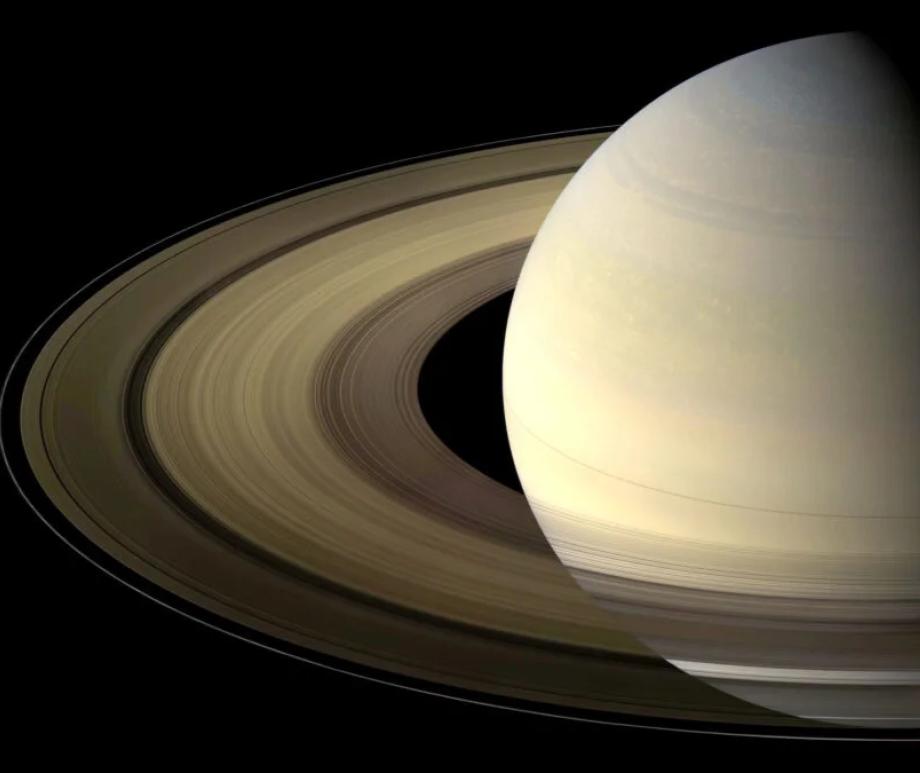
How long will Saturn’s rings last before they disappear?
October 7, 2024
Saturn’s rings will not exist as bright, dense rings for more than another few hundred million years. Read more
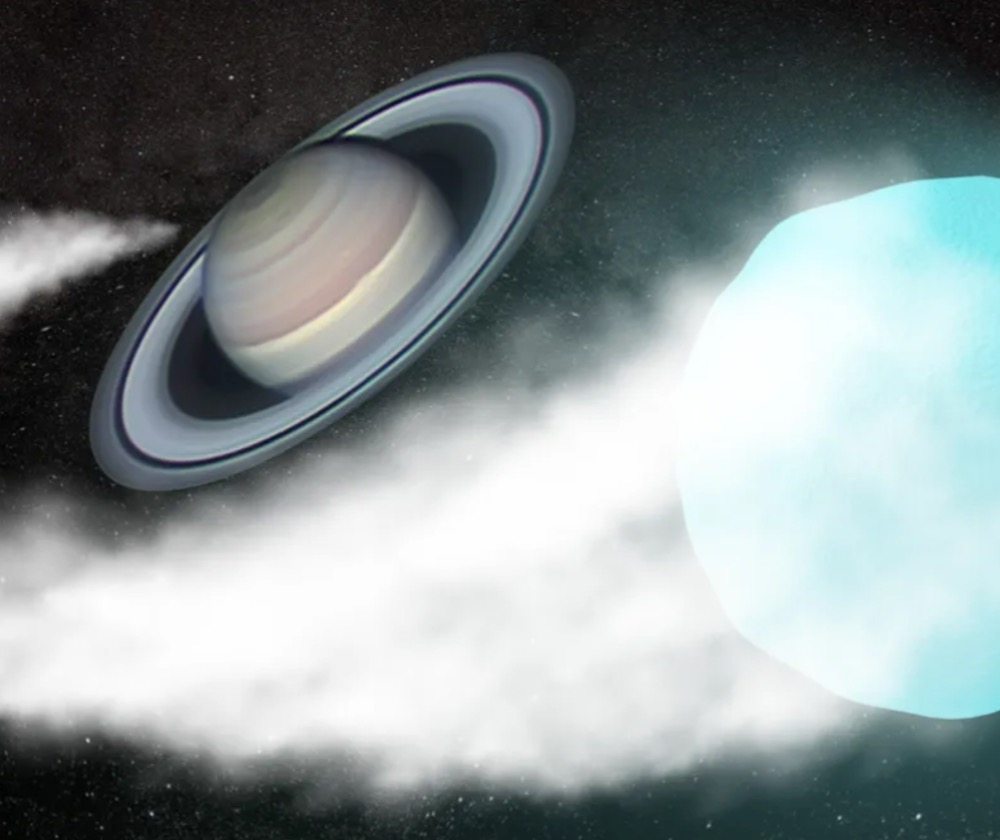
Saturn threw a comet out of the solar system at 6,700 mph
August 1, 2024
This is only the second comet we have seen in the process of being launched out of the solar system Read more
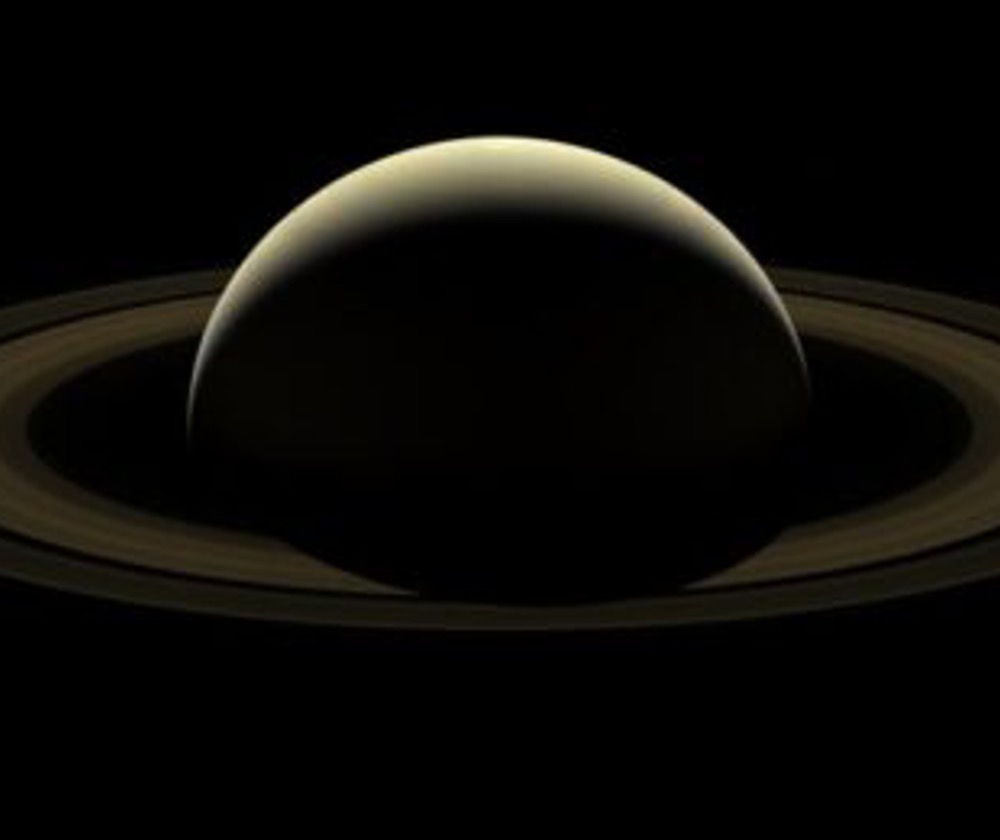
A huge imbalance of energy has been detected on Saturn
June 21, 2024
Will the shenanigans of Saturn never end? Read more

How auroras on Earth, Saturn and Jupiter could help forecast risky space weather
June 2, 2024
"Our study revealed the complex interplay between solar wind and planetary rotation" Read more
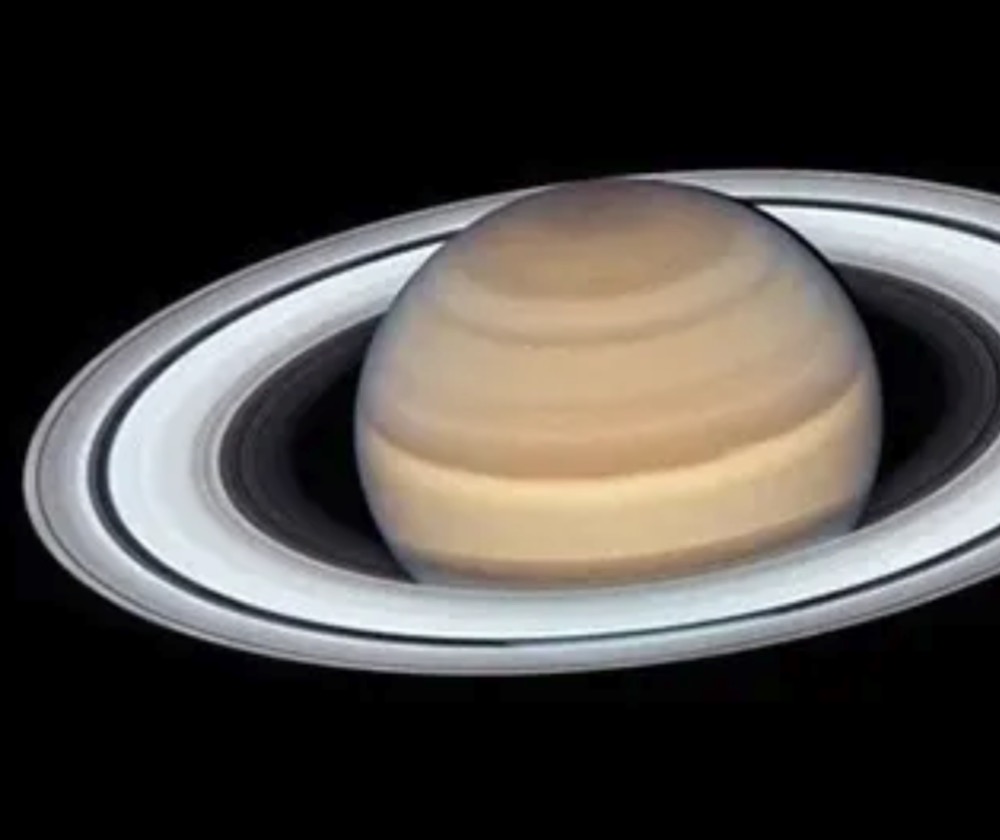
Could alien life be hiding in the rings of Saturn or Jupiter?
May 7, 2023
"I like the idea of thinking about creative places where life could be" Read more
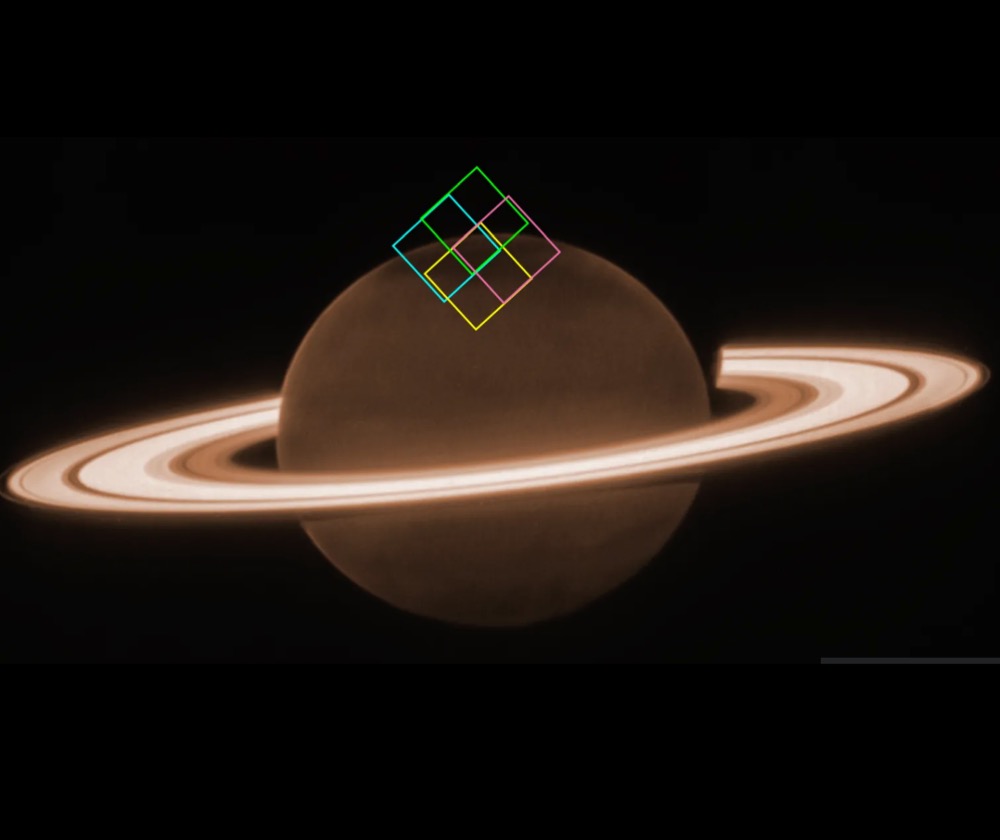
'Game-changing' study into Saturn's northern lights
March 22, 2023
The exact origins of the aurora for Saturn are a little less clear than for Earth Read more
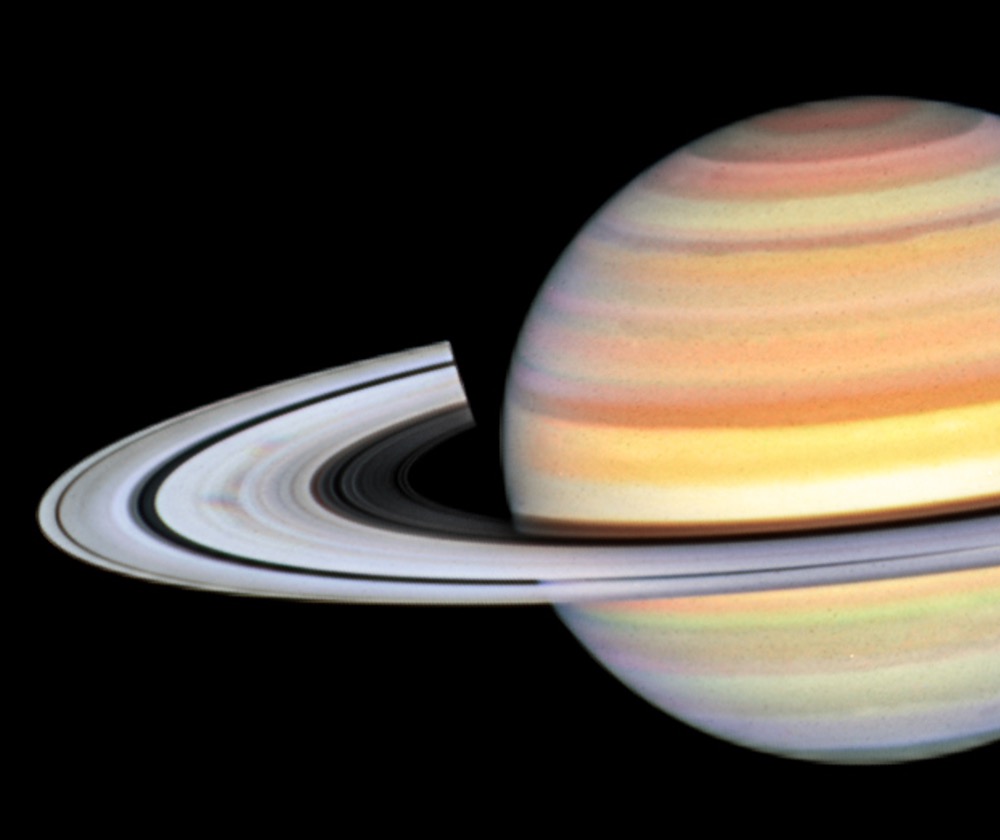
NASA's Hubble watches 'spoke season' on Saturn
December 21, 2023
It’s believed the dark spokes are dust particles electrostatically levitated above the ring plane Read more
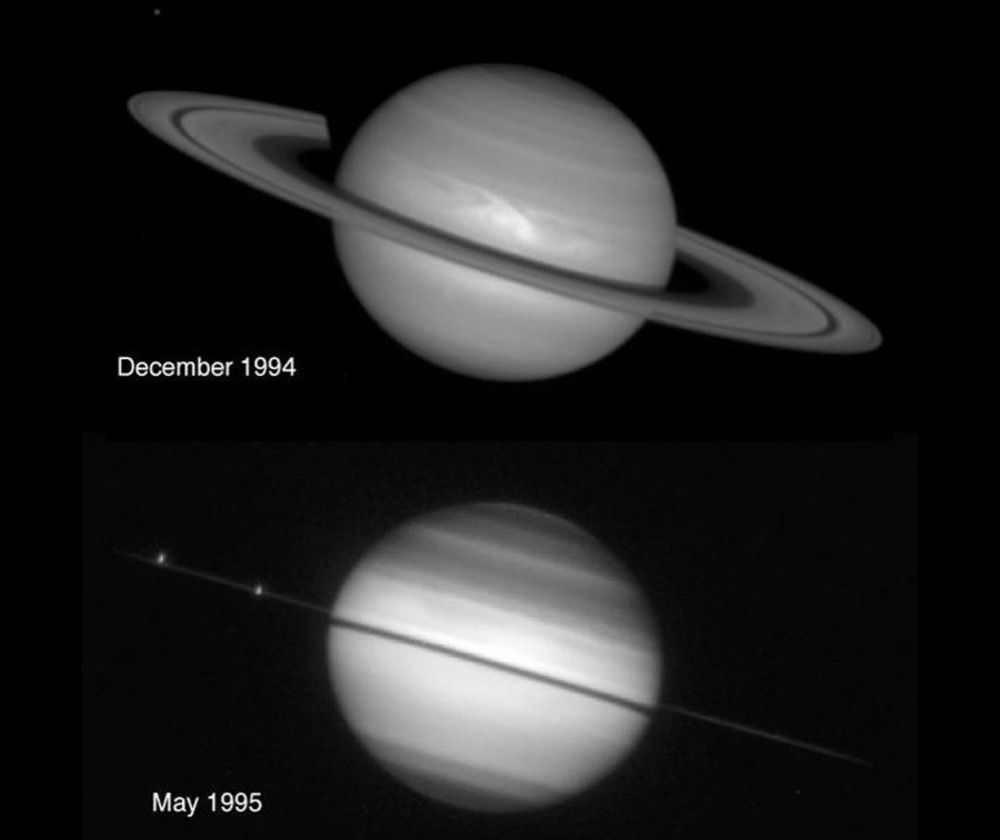
Saturn’s rings will disappear in 2025. Don’t worry, they’ll return soon enough
November 20, 2023
The phenomenon is known as ring-plane crossing and occurs about every 15 years Read more
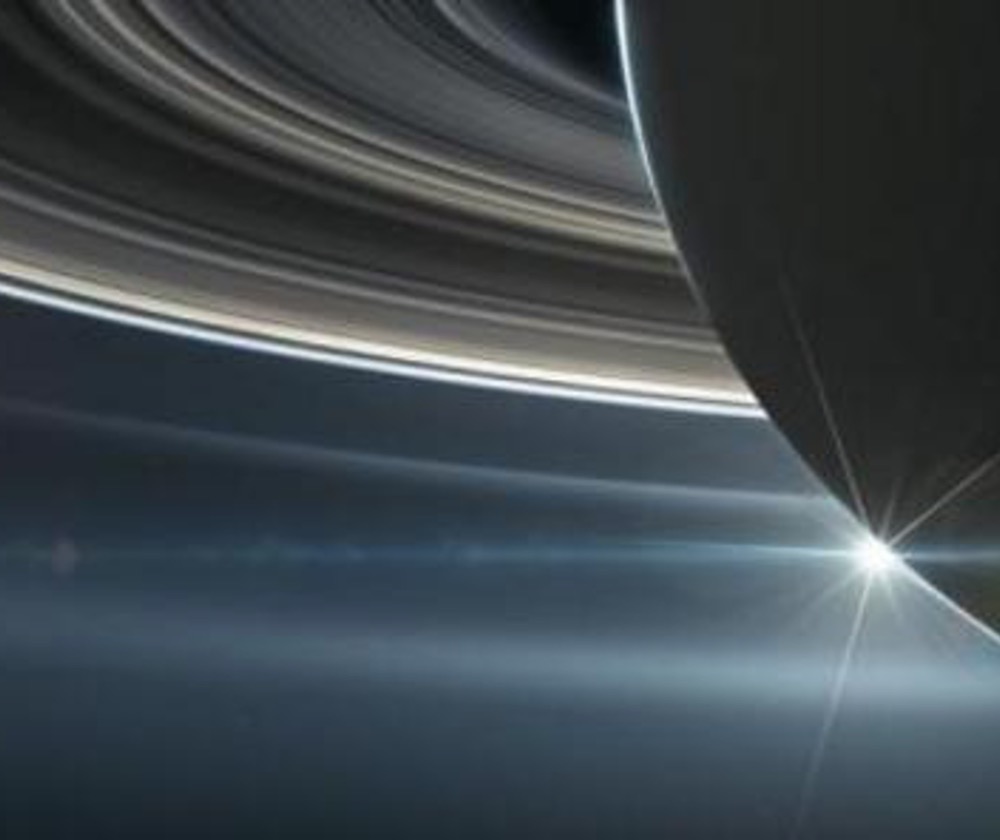
Solar eclipses seen by long-dead Cassini spacecraft shed new light on Saturn's rings
November 16, 2023
Clues about the transparency of Saturn's rings were in Cassini's data all along Read more
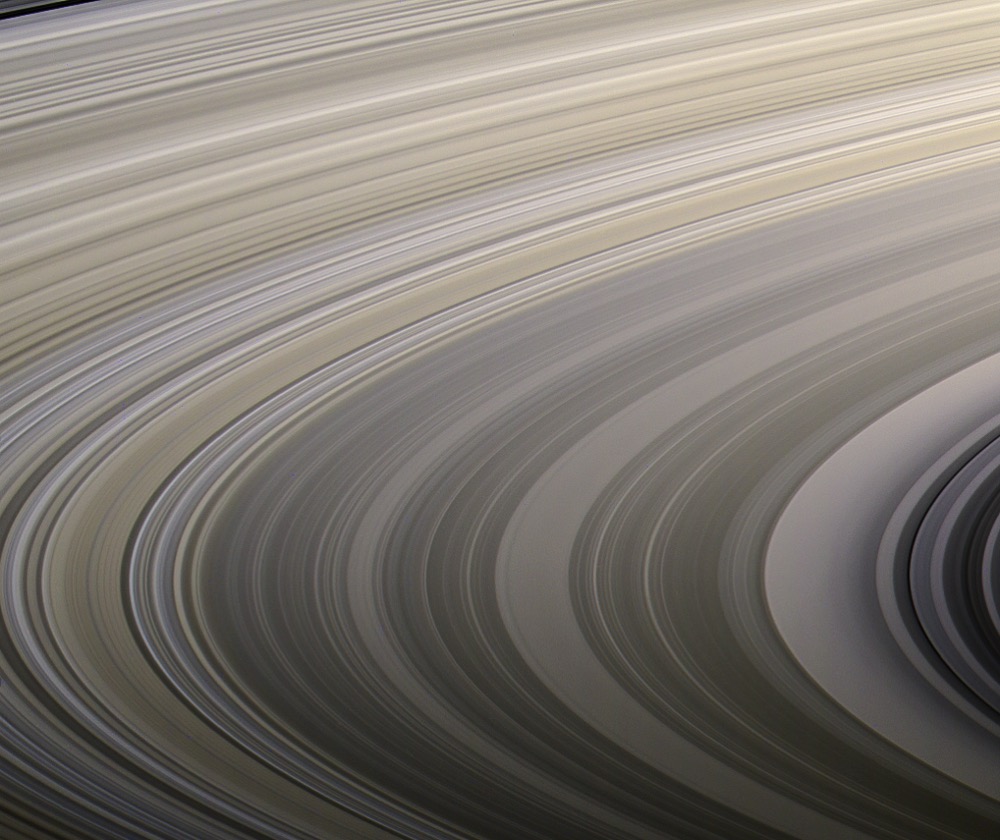
New research provides explanation for the origin of Saturn’s rings and icy moons
October 1, 2023
The rings began forming from a massive impact between two icy moons Read more
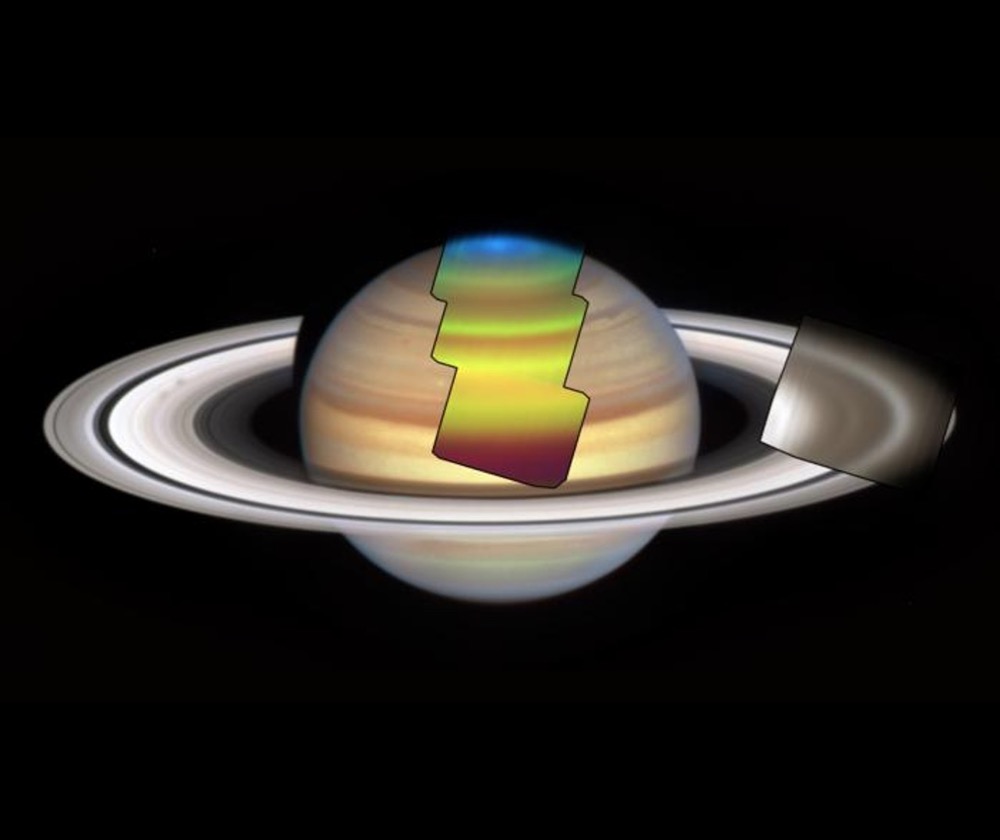
JWST watches seasons change on Saturn (video)
September 13, 2023
Astronomers saw the ringed planet's northern summer cooling as a 7.5-year-long autumn approaches Read more
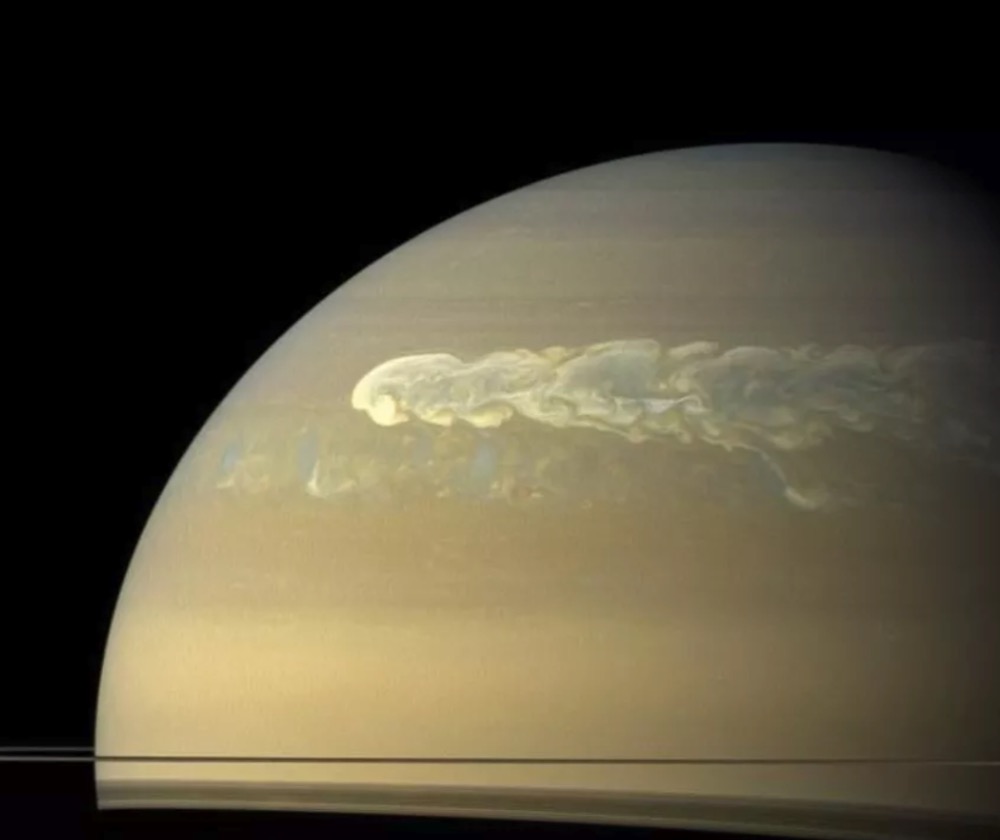
100-year 'megastorms' on Saturn shower the ringed planet in ammonia rain
August 15, 2023
The storms of the gas giant put hurricanes on Earth to shame Read more
Fascinating Facts About Saturn
- If the sun were as tall as a typical front door, the Earth would be the size of a nickel and Saturn would be about as big as a volleyball.
- From Saturn’s surface, the Sun appears about one-tenth as large as it does from Earth and sunlight appears about 90 times dimmer.
- Saturn is twice as far away from the Sun as the Jupiter is, and the farthest planet that can be seen with the naked eye from Earth.
- Saturn is the least dense planet in the solar system because it is mostly made of gas; it is the only planet less dense than water!
- Saturn emits about 2.3 times the energy it receives from the Sun. This energy is thought to come from the continued cooling of the planet after its gravitational collapse during the formation of the solar system. Because of this, the weather on the planet is internally driven: it depends on the energy emitted by the planet itself. On the other hand, the weather on Earth is externally driven, by the sun!
- Saturn has some of fastest winds in the solar system; winds have been measured up to the speed of 1800 kilometers per hour.
- The planet’s rings are made up of bits of ice, dust and rock; these can range from the size of a grain of sand up to sizes larger large buildings. The rings also contain moonlets (likely chunks of the ancient body that broke up to produce Saturn’s rings) and ‘propeller’ structures (gaps in ring material thought to be caused by the moonlets). The evidence for moonlets and ‘propeller’ structures suggests there is a dynamic between Saturn’s moons and rings.
Missions
Cassini (1997)
Mission to study Saturn and its moons
Voyager 1 & 2 (1977)
Mission to explore Saturn and Jupiter, but later extended to Uranus and Neptune as well
Pioneer 11 (1973)
First mission to explore Saturn