



Was There Ever Life on Mars?
We don’t know . . . yet. That’s because we are just beginning to look, and here’s what we know so far. The Spirit and Opportunity rovers confirmed what had been suspected for decades, that Mars was once warmer and wetter, with long-lasting bodies of water on its surface. The Curiosity rover discovered that organic compounds necessary for life as we know it are present in Martian rocks. The ingredients were there, but this habitable environment ended around 3 billion years ago. At that time, all life on Earth was single-celled bacteria, and it would be another 2.5 billion years before multi-cellular life arose. So, we don’t expect to find fossils of things like plants and animals. Instead, we’re looking for ways in which ancient bacteria changed the chemistry and structure of rocks. The Perseverance rover is currently finding rocks that could contain this evidence and collecting samples of them for return to Earth in the next decade. Read More
Latest News About Mars
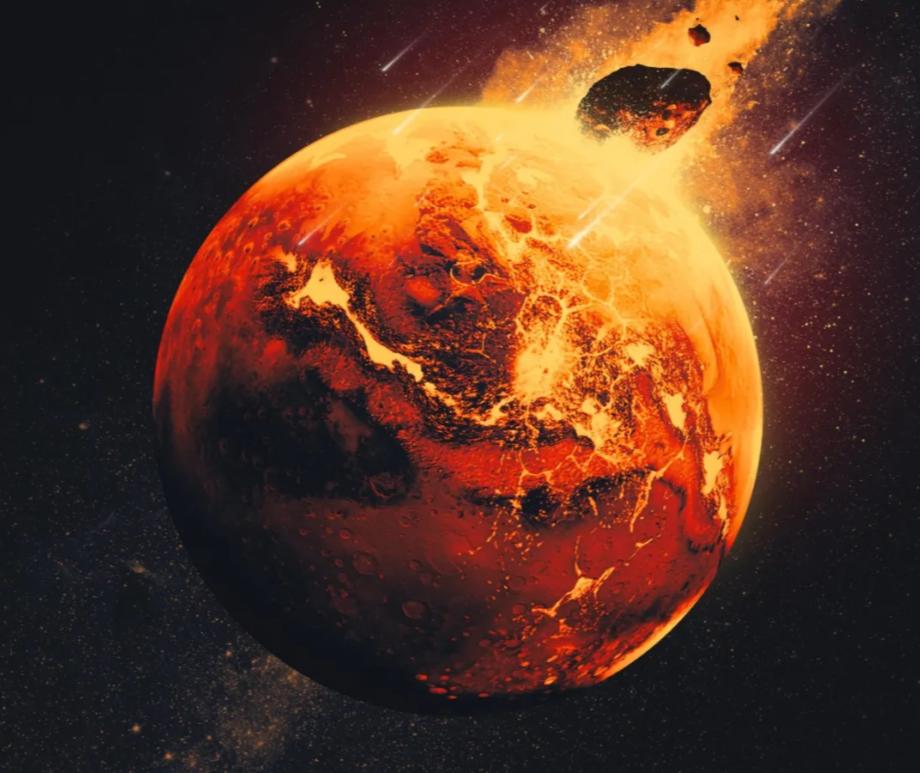
1-billion-year-old Mars meteorite found in Algeria is like nothing we've seen from the Red Planet
August 11, 2026
"The characteristics of this meteorite were entirely surprising." Read more
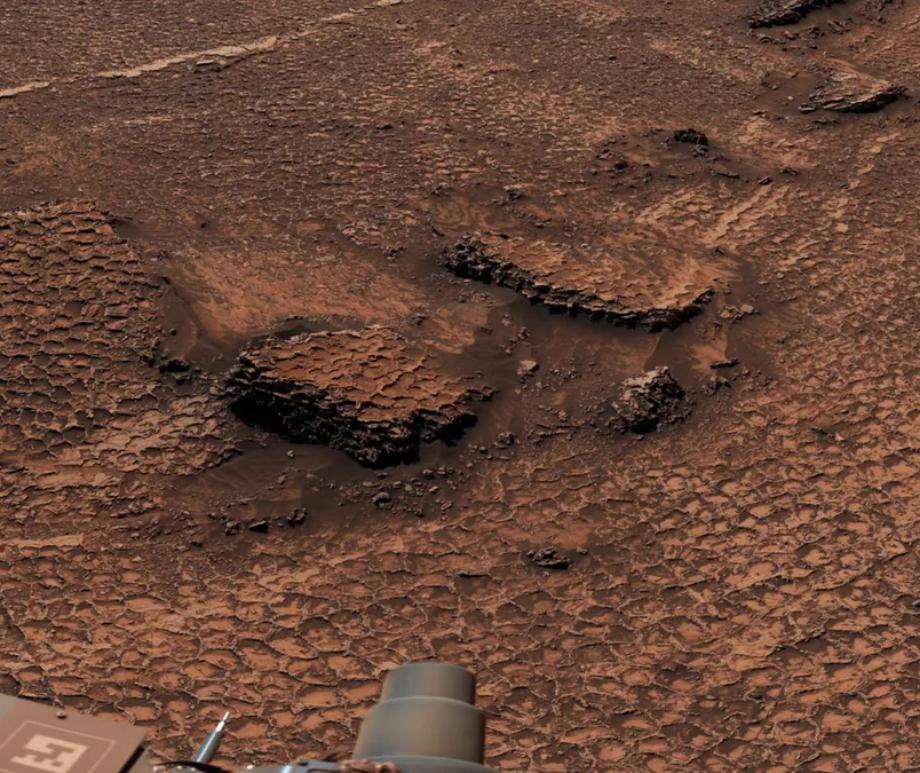
Curiosity rover spots mysterious honeycombs on Mars
August 5, 2026
"We've seen a lot of fascinating landscapes through Curiosity's eyes, but this sea of polygons took our breath away." Read more
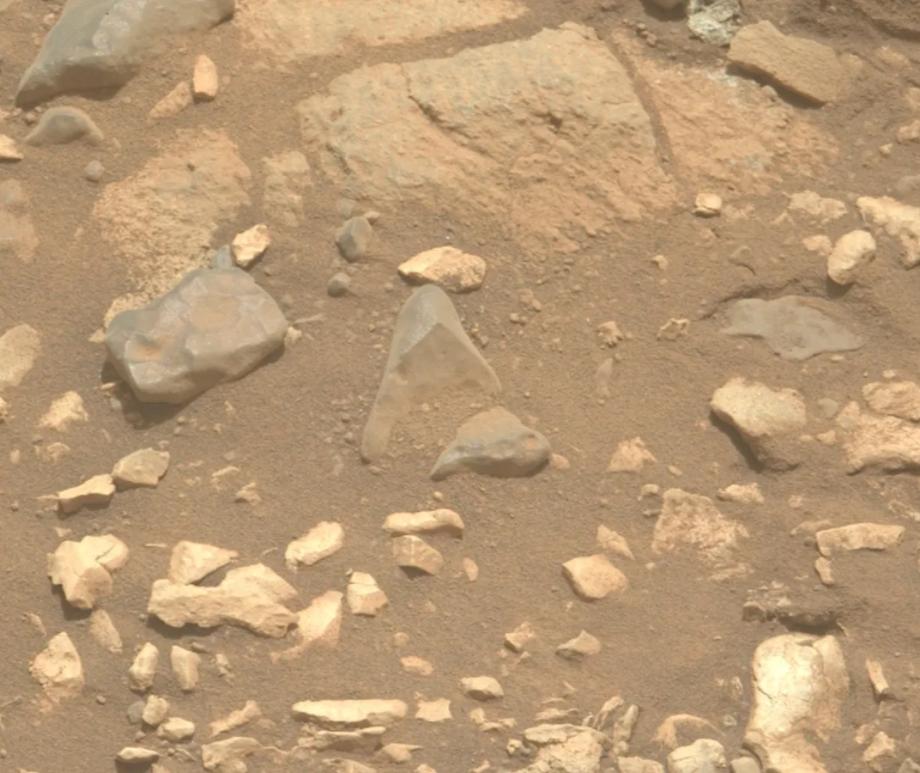
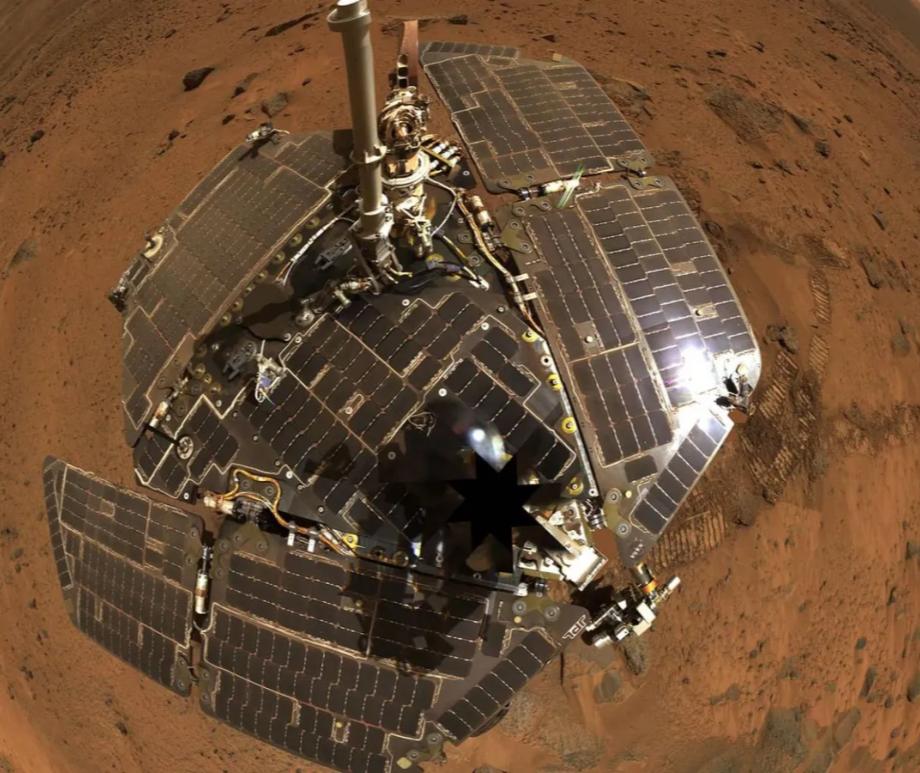
Scientists find hidden clue in Spirit rover data
August 4, 2026
A new analysis of NASA's Spirit rover data reveals overlooked traces of crystalline hematite and altered magnetite. Read more
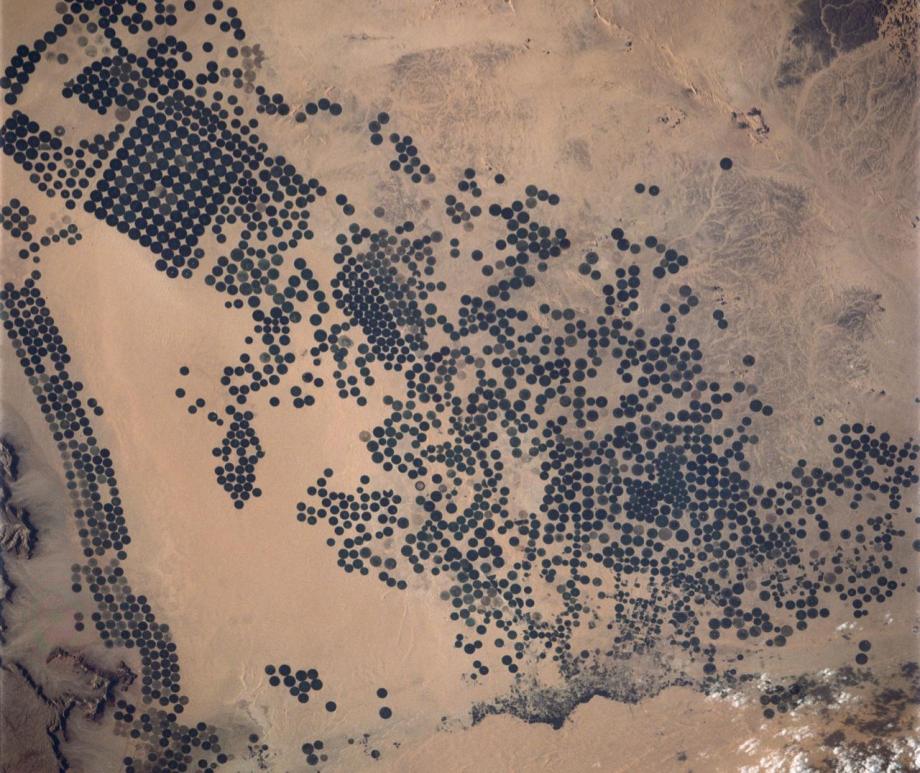
Scientists advance space agriculture for future moon and Mars missions
July 30, 2026
USF's Aerospace Center is are collaborating on sustainable space agriculture projects with potential applications back on Earth. Read more
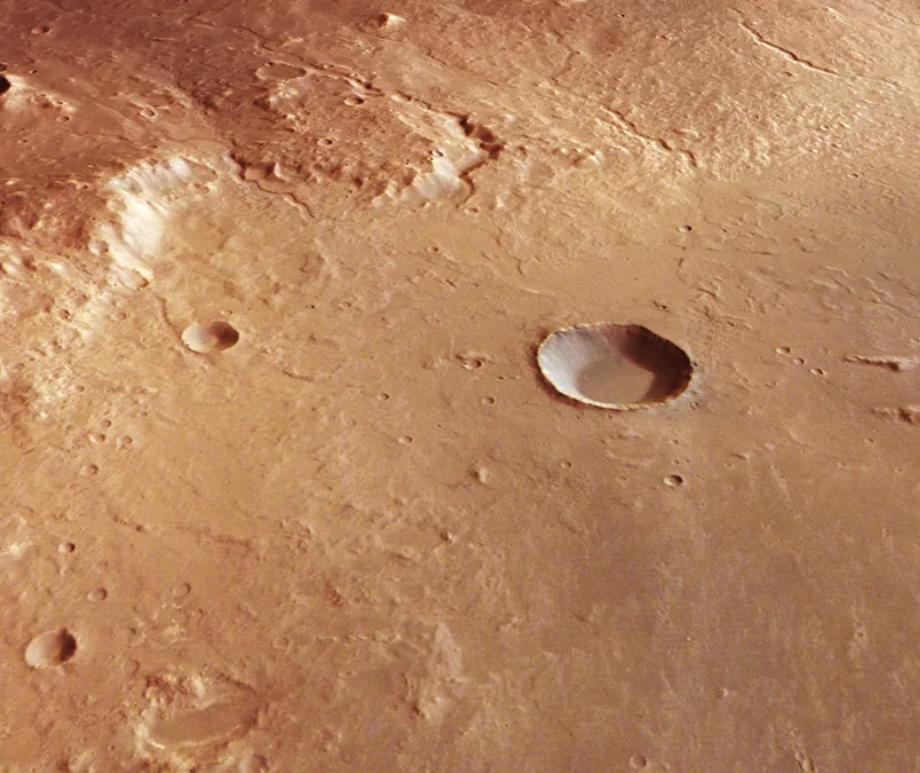
Scientists may have finally found Mars’s missing atmosphere and water
June 12, 2026
A pair of studies suggest water retreated to an unlikely place: deep beneath Mars' surface. Read more
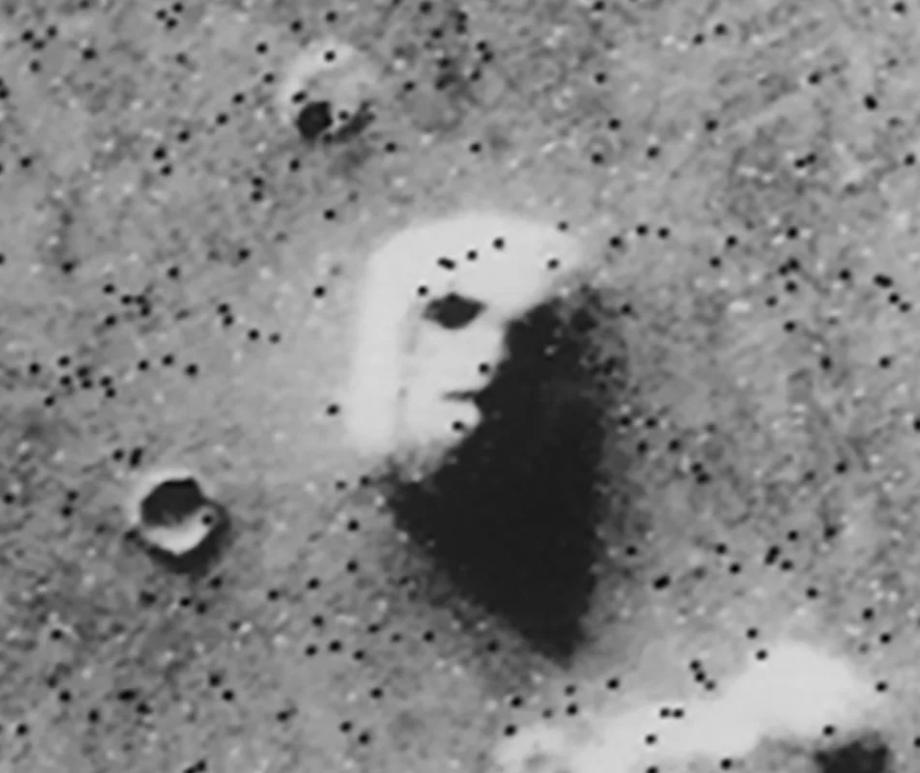
Mars may have had a lost moon
June 11, 2026
Could this explain why scientists are finding evidence of ancient tidal seas on the Red Planet? Read more
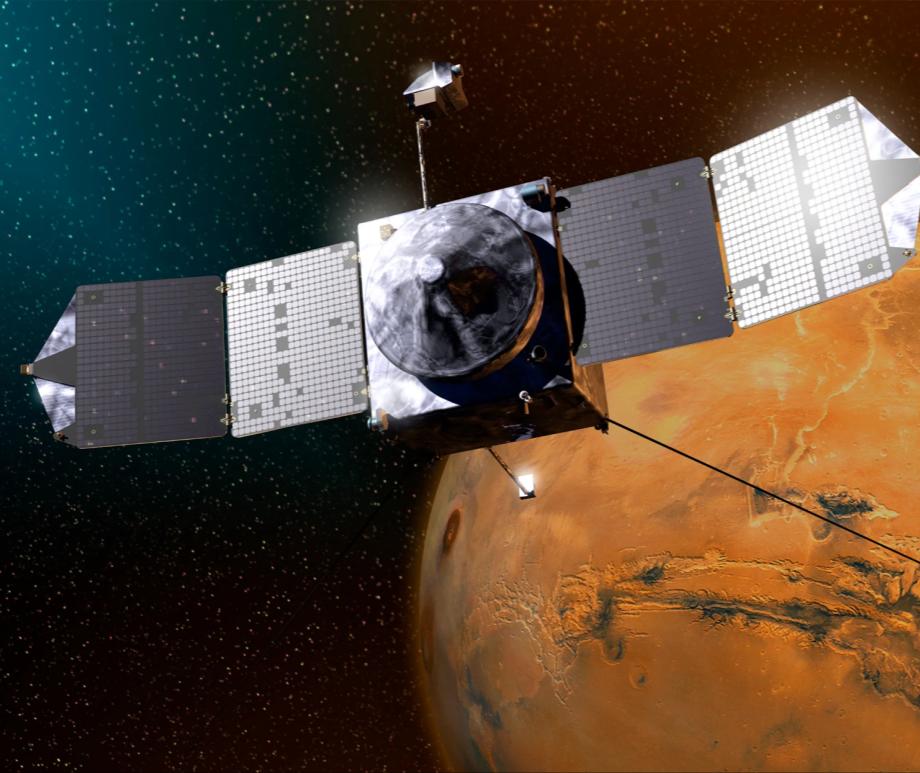
NASA says farewell to MAVEN Mars mission
June 3, 2026
After more than 11 years in orbit at Mars, first mission devoted to observing the Martian atmosphere and its evolution has ended. Read more
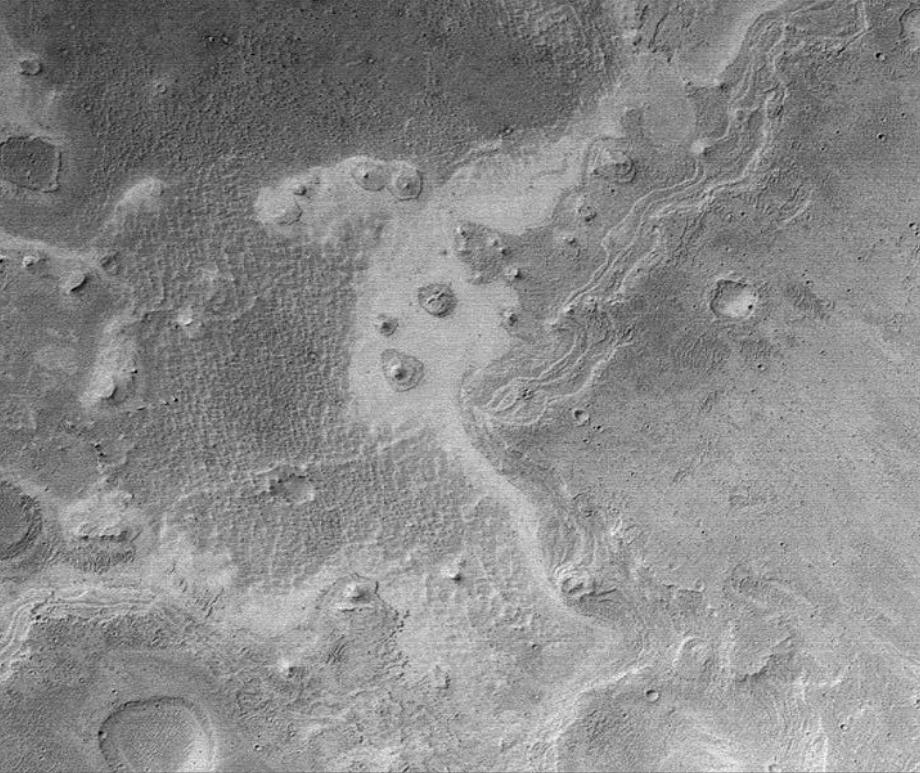
Strange, dark material spotted in an ancient channel on Mars, where water once flowed 3.5 billion years ago
May 13, 2026
Shalbatana Vallis, near Mars’s equator, is 800 miles long. Read more
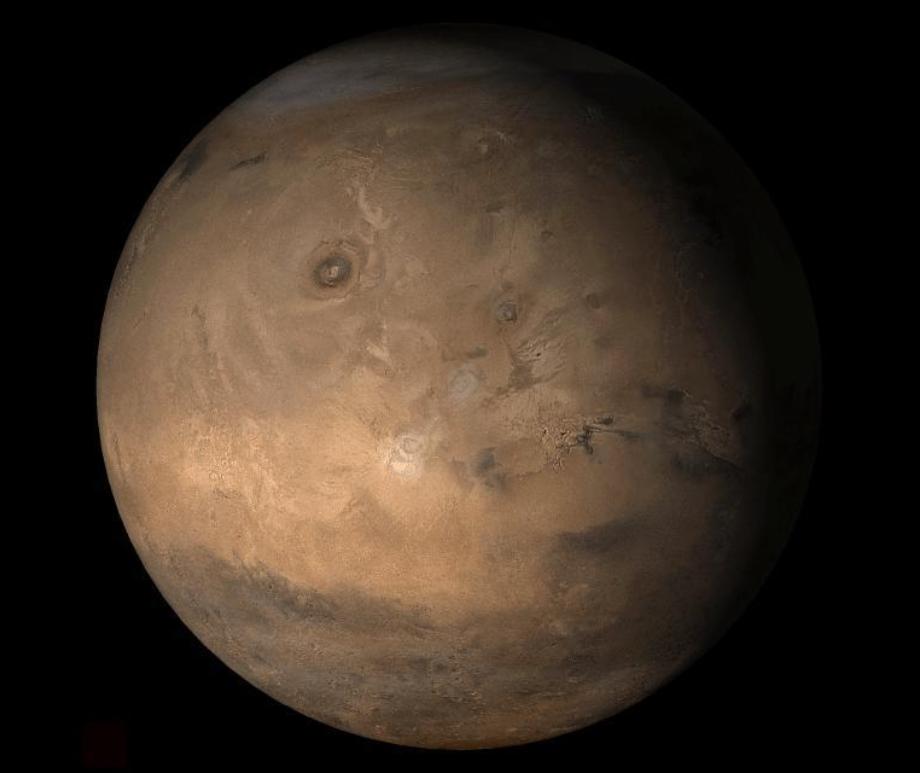
stronomers say Earth formed from the same material as Mars
May 8, 2026
Study says Earth's composition is similar to that of Vesta and Mars. Read more
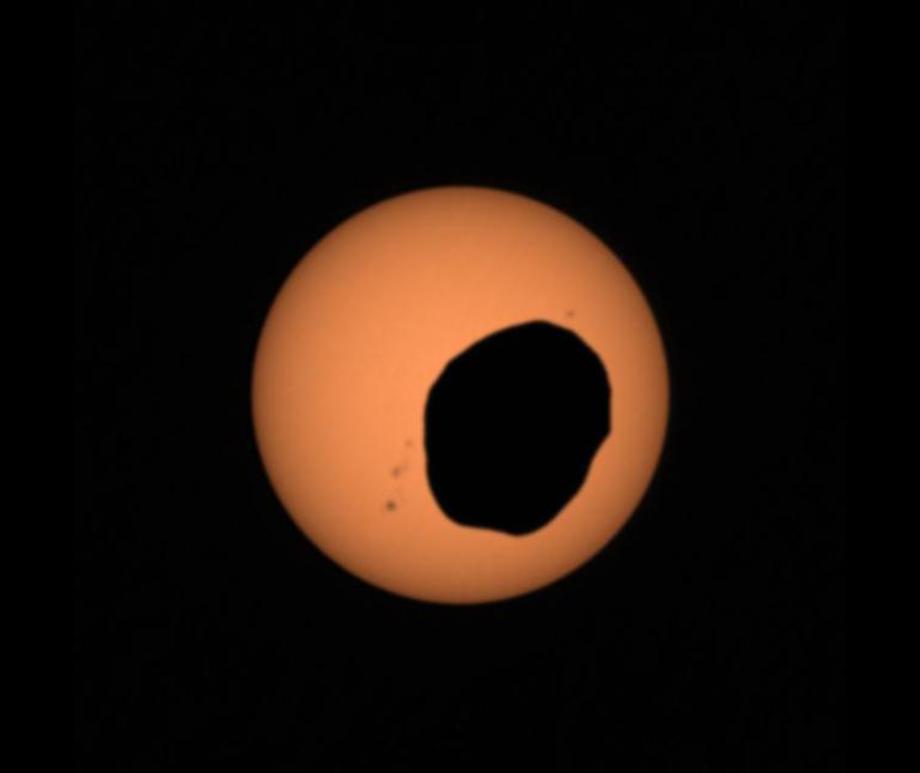
Mars will tear its own moon apart.
May 3, 2026
New modelling suggests the Martian moon Phobos’s demise could be earlier – and much more dramatic – than expected Read more
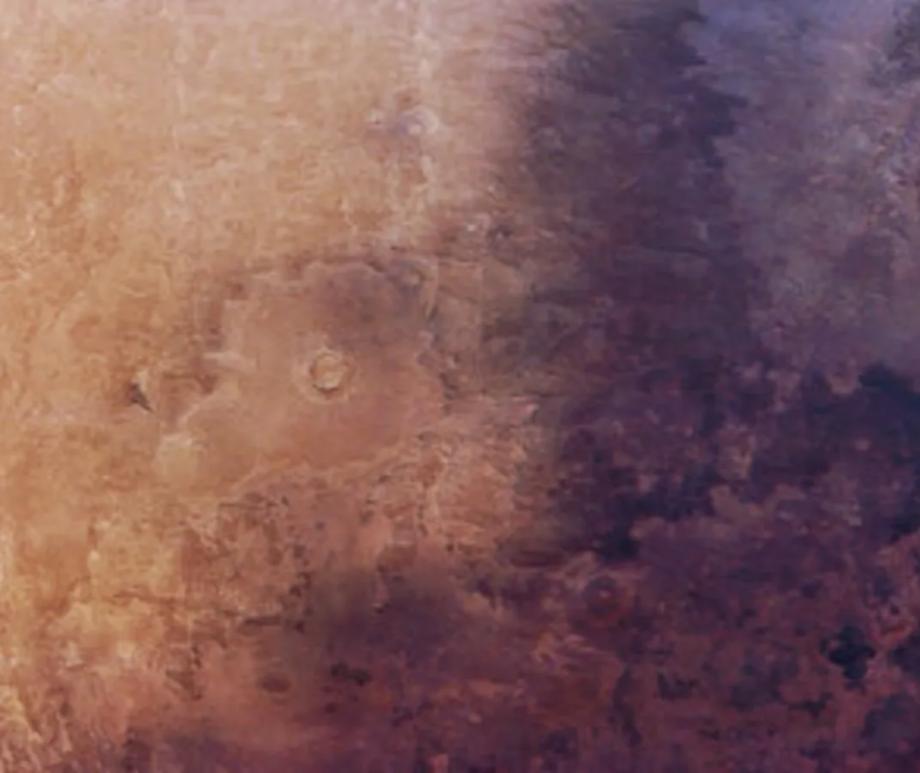
A giant 'shadow' has been creeping across Mars for 50 years — and scientists aren't sure why
April 21, 2026
The ark patch in Mars' Utopia Planitia region has grown significantly since it was first photographed in 1976. Read more
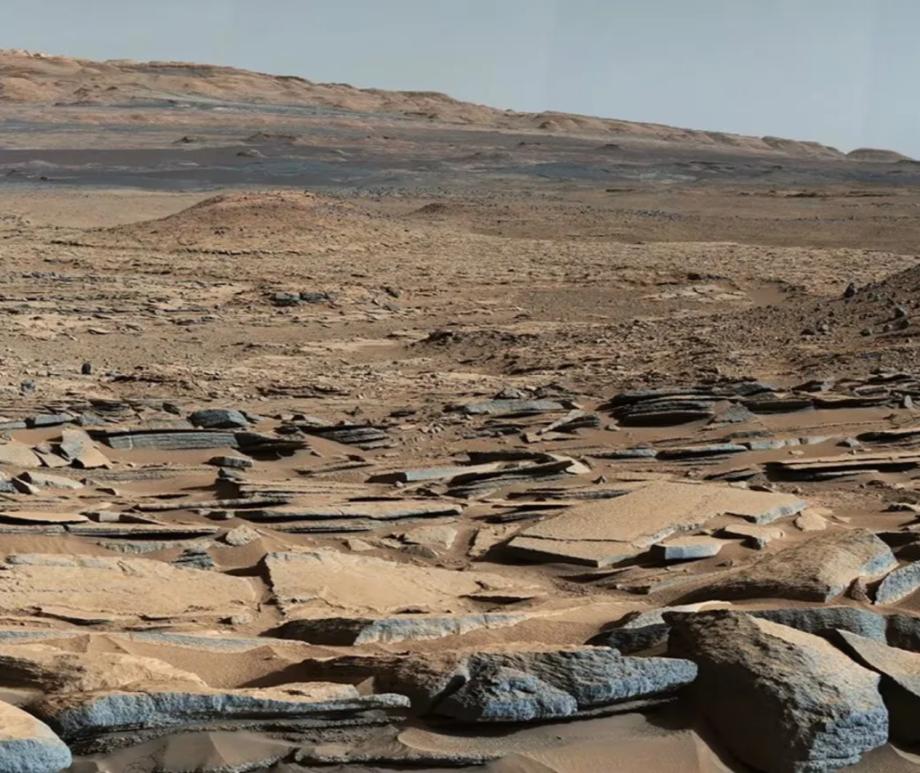
Scientists found a 'bathtub ring' on Mars.
April 20, 2026
Could it be evidence of an ancient Red Planet ocean? Read more
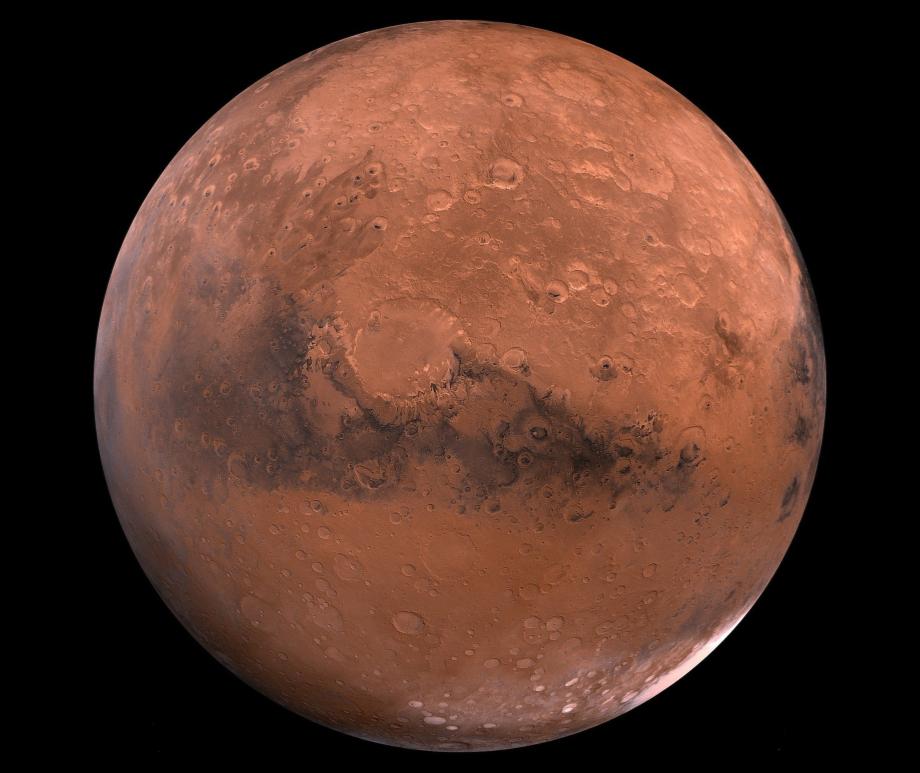
How resilient fungus might survive Mars and space
April 20, 2026
A new study suggests that some strains might survive every step of the long, brutal trip to Mars. Read more
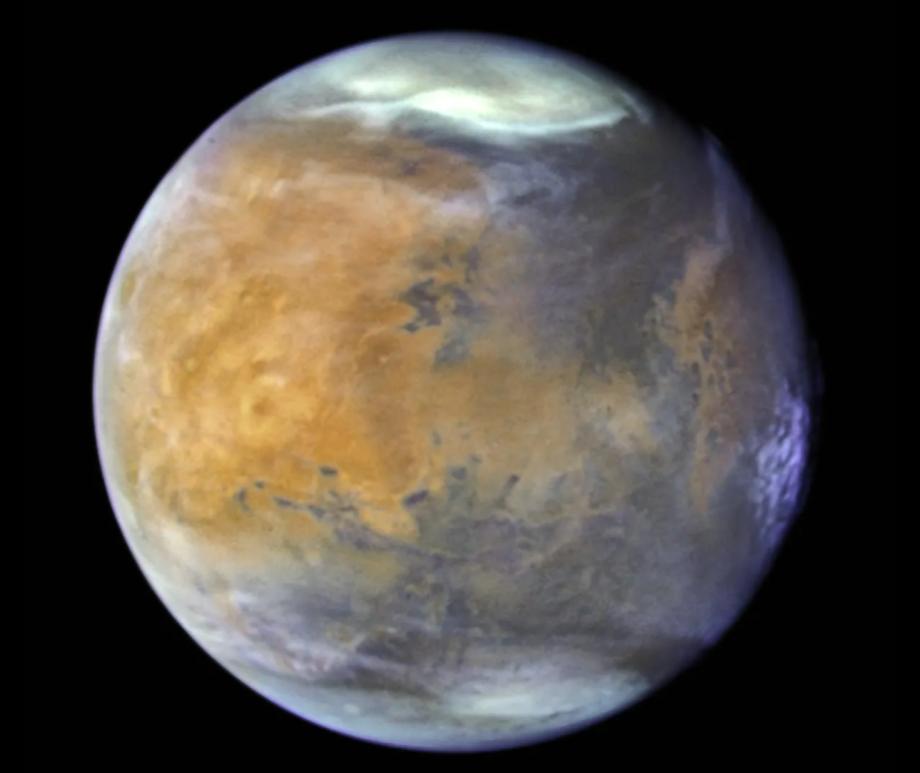
Scientists stunned as Mars dust storms blast water into space
March 27, 2026
Mars may look like a frozen desert today, but new evidence suggests its watery past didn’t simply fade away quietly. Read more
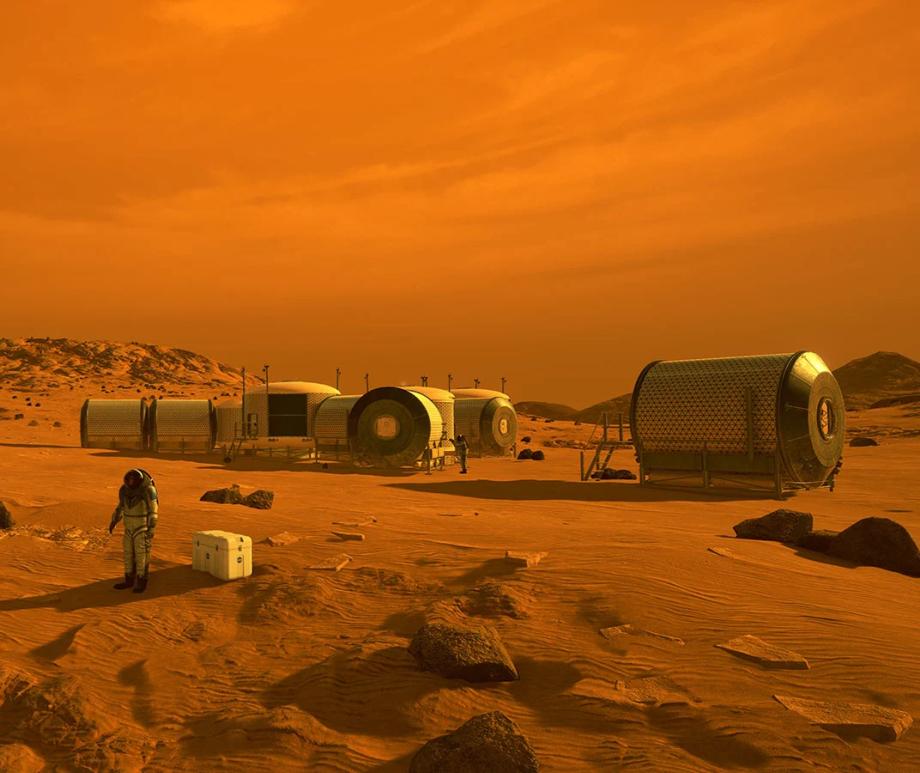
How will Martian gravity affect skeletal muscle?
March 21, 2026
The lower gravity on Mars has the potential to lead to long-term health risks. Read more
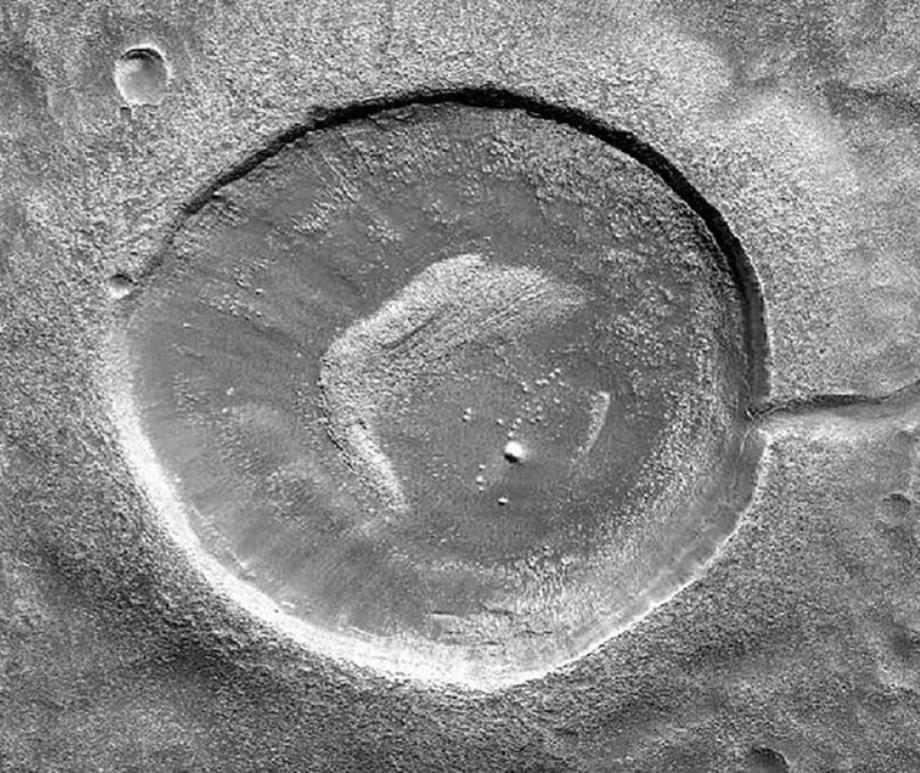
We may have been wrong about why Mars is red this whole time, and the answer relates to life beyond Earth
March 19, 2026
New study reveals an alternate reason as to why the Red Planet is red Read more
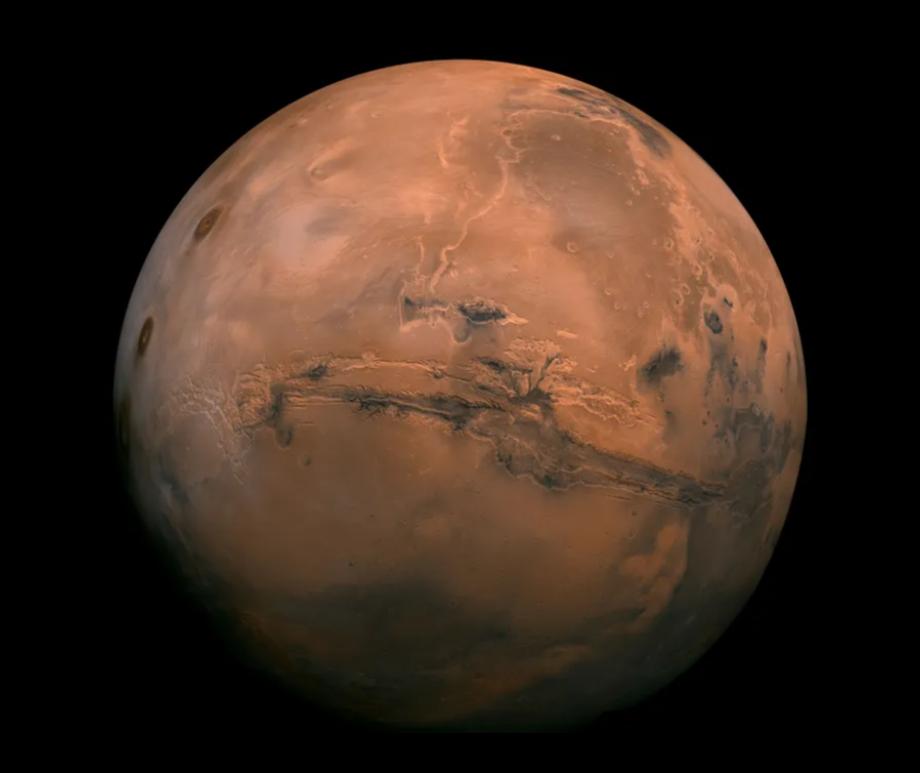
Did Earth life actually begin on Mars? Asteroid impacts could let microbes planet-hop, study suggests
March 6, 2026
"Life might actually survive being ejected from one planet and moving to another." Read more
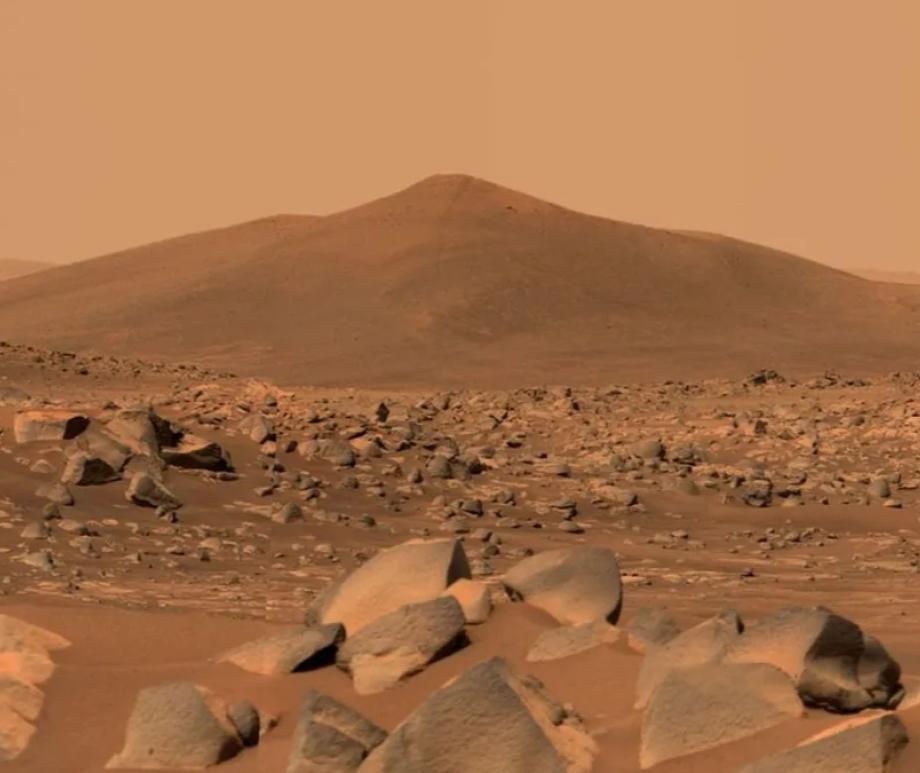
Mars dirt could help fight off a microbial invasion from Earth
March 4, 2026
And it looks like the toxicity can be washed out, meaning it may be possible to cleanse Mars dirt for crop-growing duty. Read more
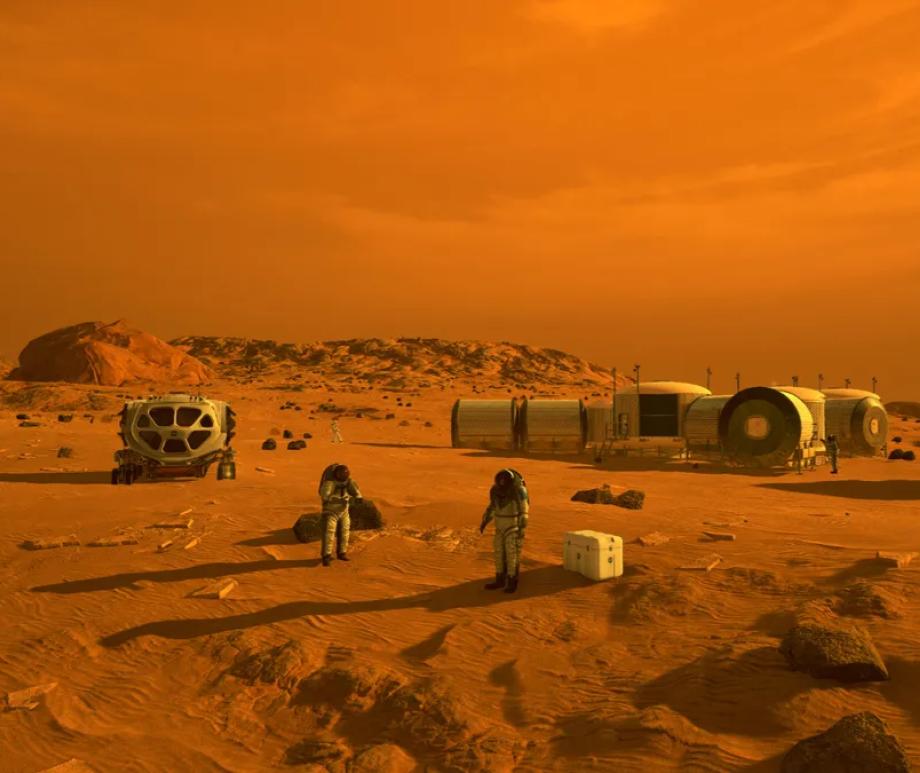
Lessons from 'The Martian': How astronaut poop could help us settle the Red Planet
March 3, 2026
Mark Watney had some good ideas about growing crops on Mars. Read more
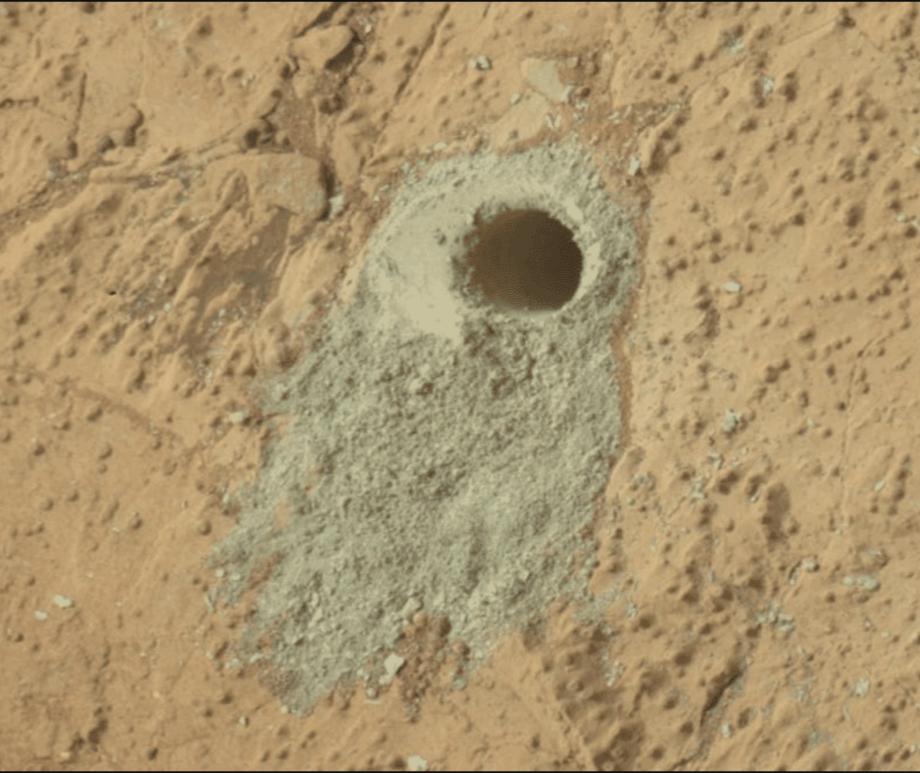
Giant string of organic molecules on Mars may be one of the best signs of life yet
February 28, 2026
A new NASA analysis concludes that it's "reasonable to hypothesize" that living things could have formed the organic molecules on Mars. Read more
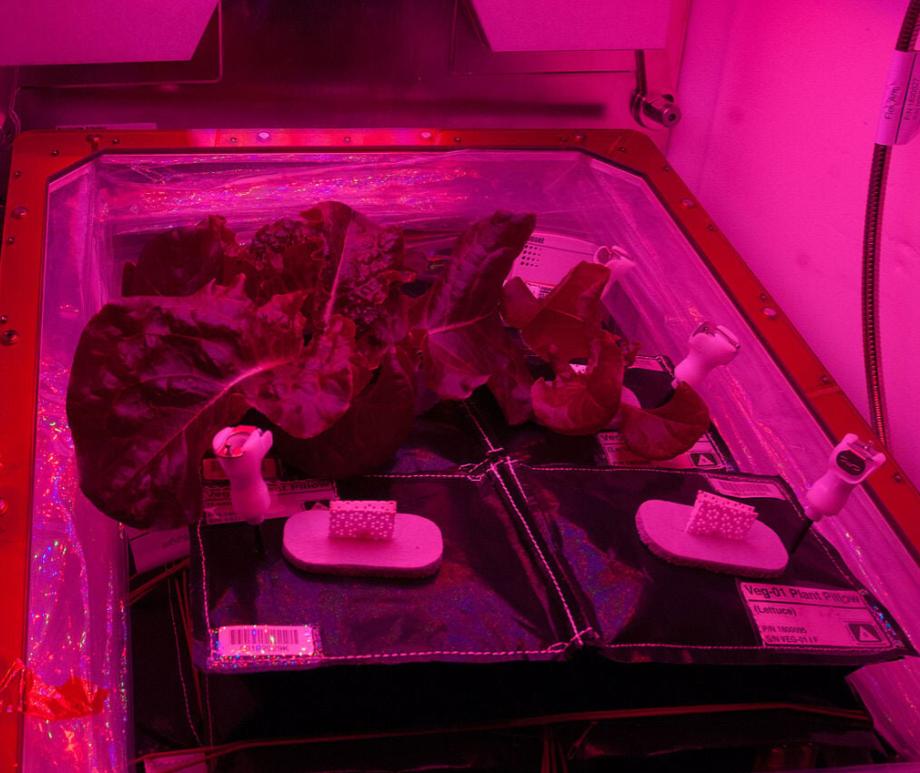
Why Mars astronauts need more than just space greenhouses
February 25, 2026
Growing food is only one small part of the whole cycle of providing sustenance for astronauts in space. Read more
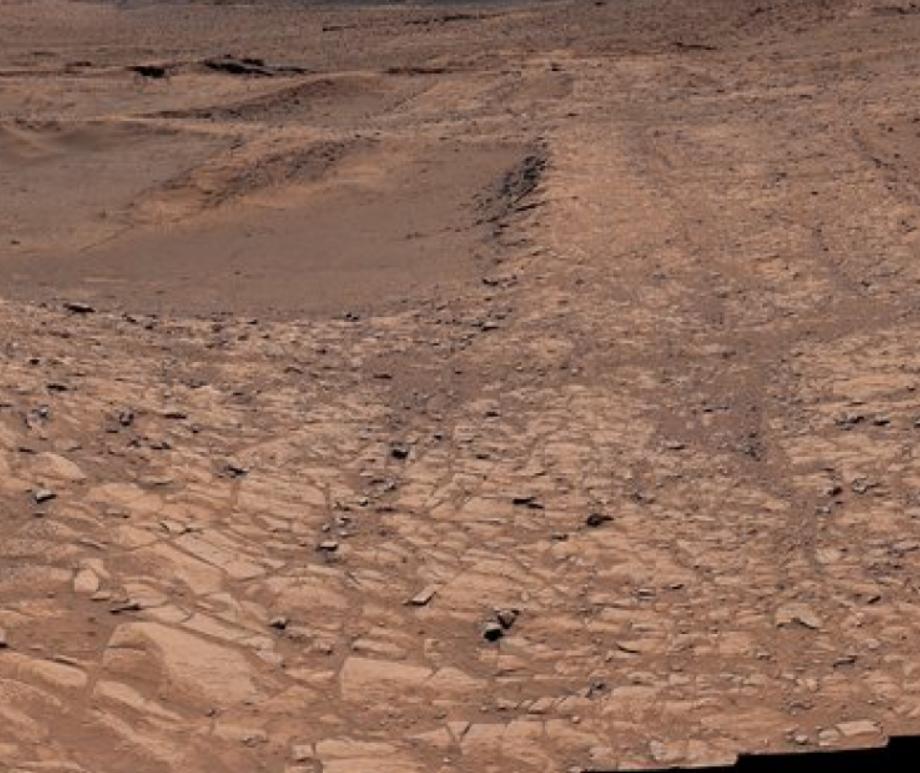
NASA’s Curiosity Rover Sees Martian ‘Spiderwebs’ Up Close
February 23, 2026
A hilly landscape that looks like spiderwebs when viewed from orbit holds clues to the history of water on ancient Mars. Read more
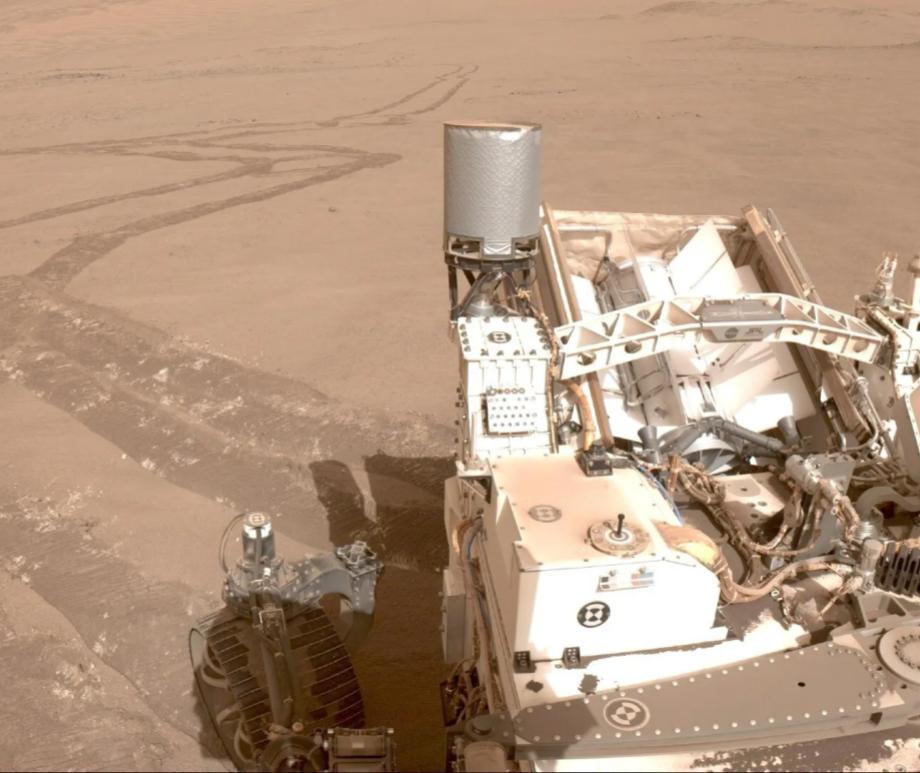
NASA's Perseverance rover now has its own 'GPS' on Mars
February 22, 2026
"For pinpoint accuracy, it needed humans back on Earth — but not anymore." Read more
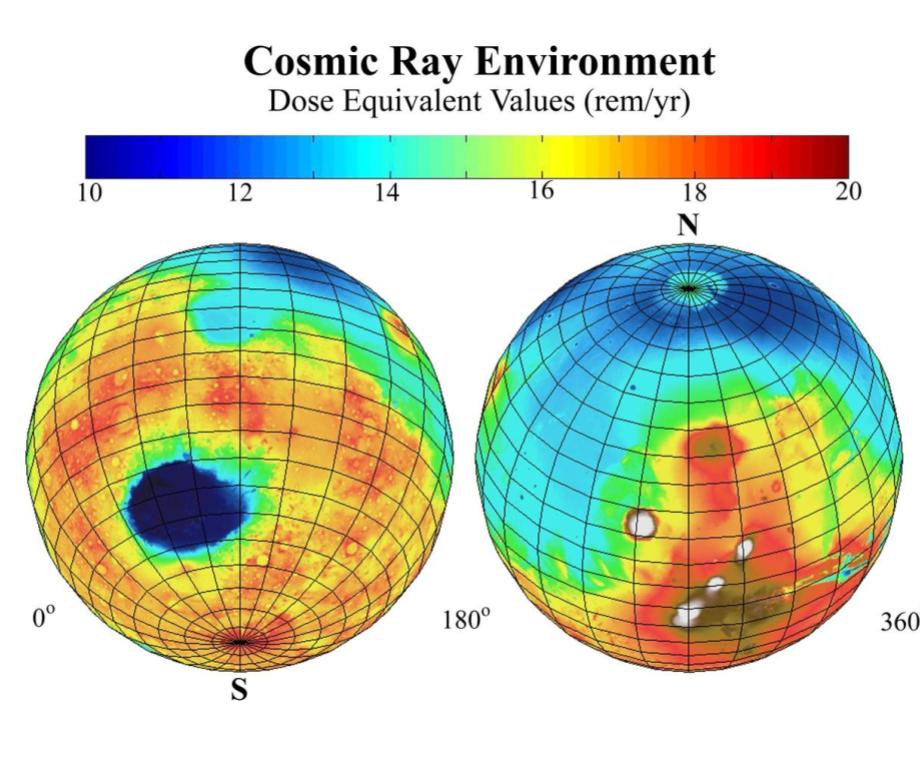
Fungi discovered at Chernobyl could protect Mars astronauts from extreme radiation
February 15, 2026
Although its effects are small, the finding hinted at potential future applications. Read more
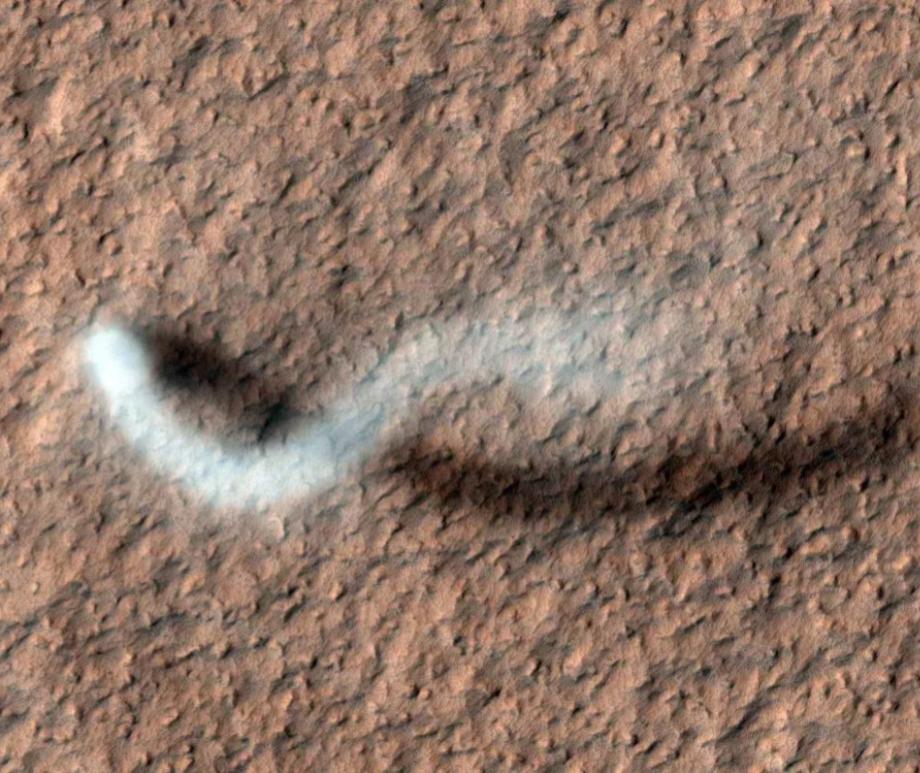
Electric sparks detected in Mars dust storms
February 14, 2026
Here's why it could cause problems for humans on the Red Planet. Read more
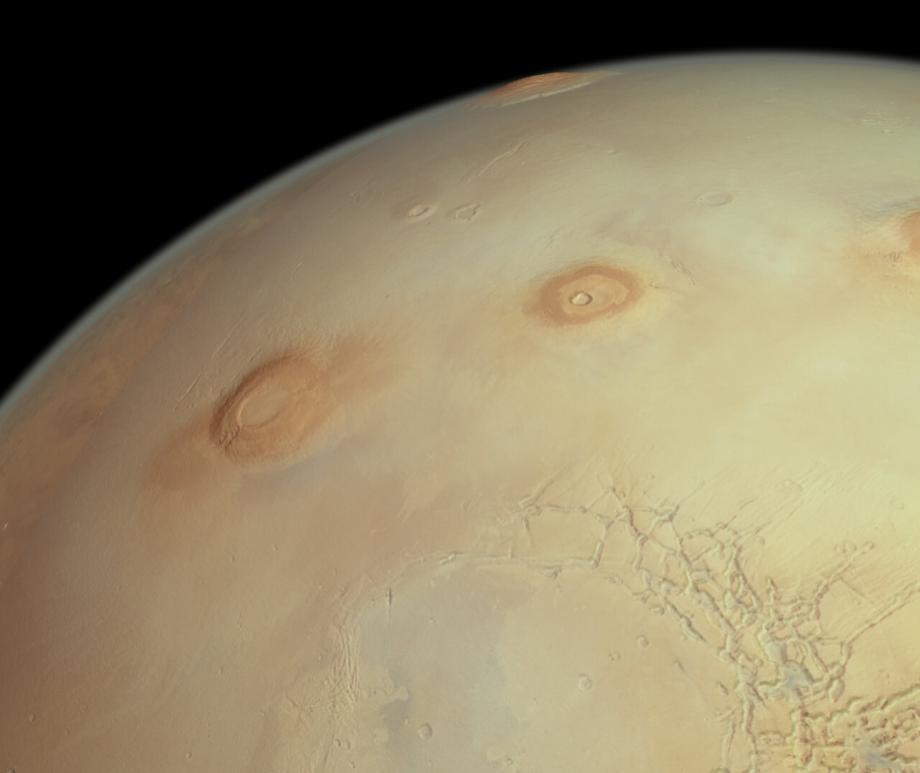
New research uncovers hidden complexity beneath Martian surface
February 12, 2026
New orbital data reveal that the most recently active volcanic systems on Mars weren’t simple one-off blasts into space. Read more
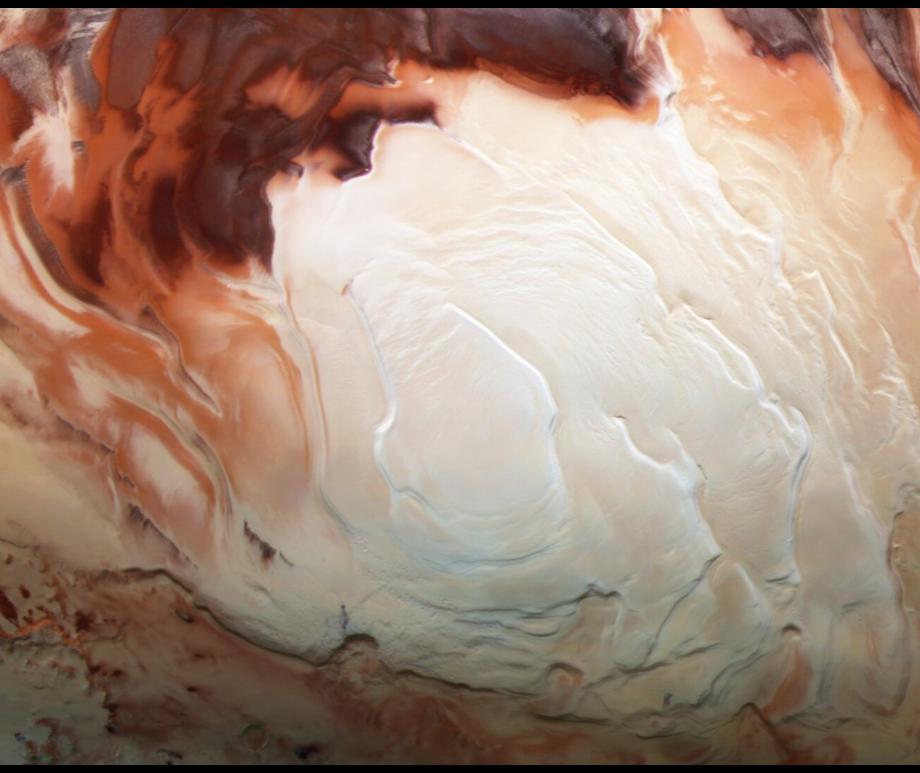
Mosses for Mars: testing aquatic plants as space-ready biofilters
February 2, 2026
A new project explored whether aquatic mosses could combine oxygen production with water filtration in compact, low-maintenance systems. Read more
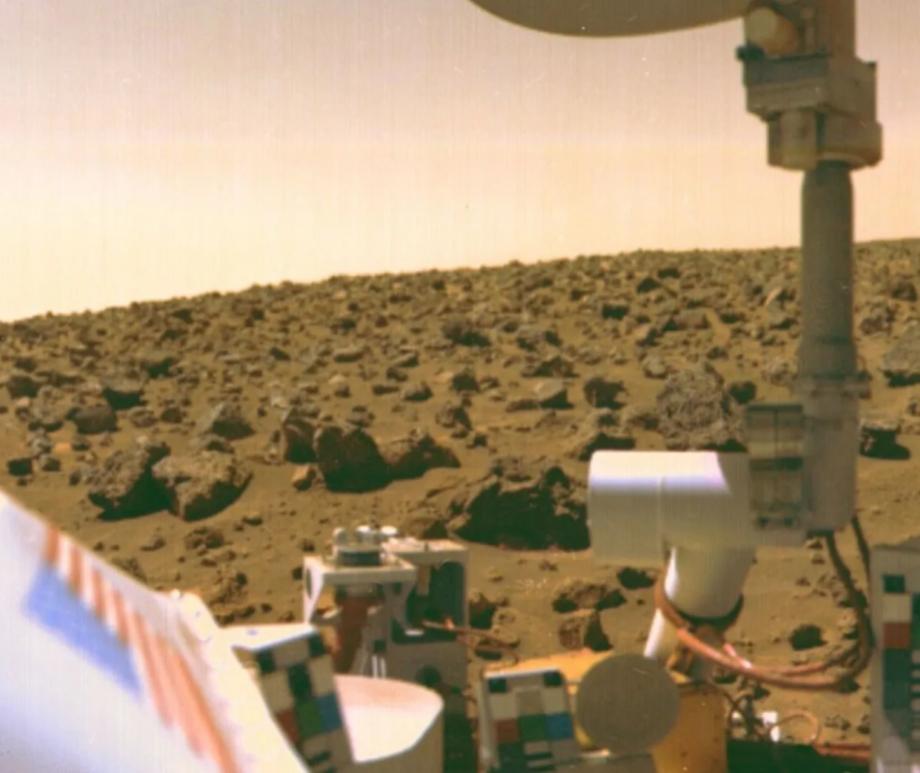
Did the Viking missions discover life on Mars 50 years ago?
February 10, 2026
The key to solving the mystery of the Viking results is the discovery of perchlorate on the Martian surface in 2008. Read more

NASA’s Perseverance rover completes first AI-planned drive on Mars
January 30, 2026
The team used a vision-capable AI to create a safe route over the Red Planet’s surface. Read more
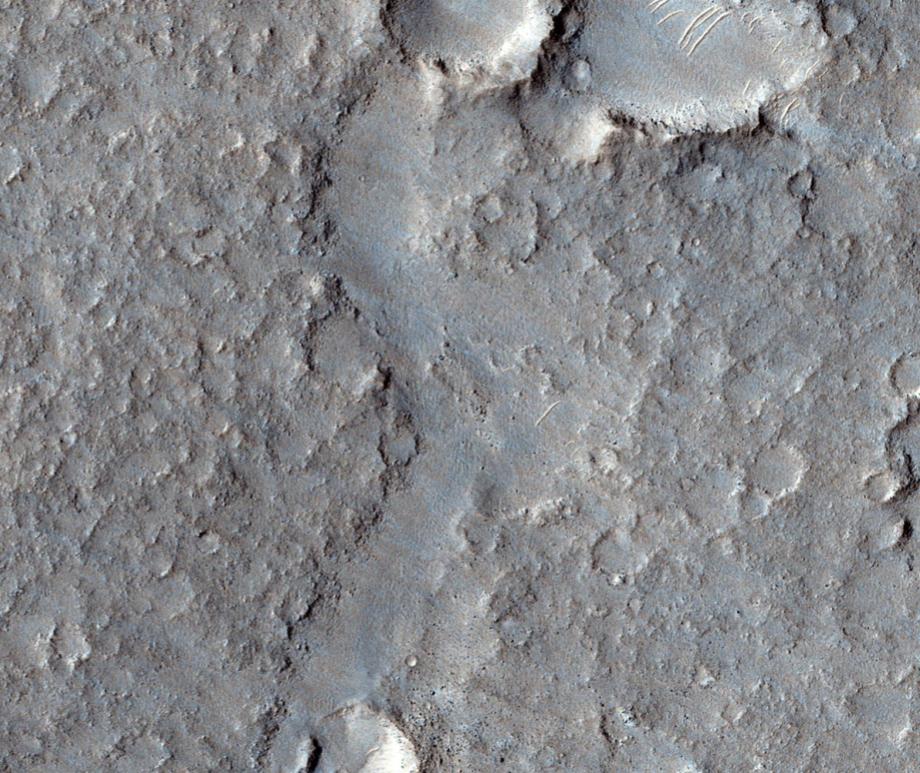
Was the Red Planet once blue?
January 19, 2026
New evidence points to an ancient ocean on Mars. Read more
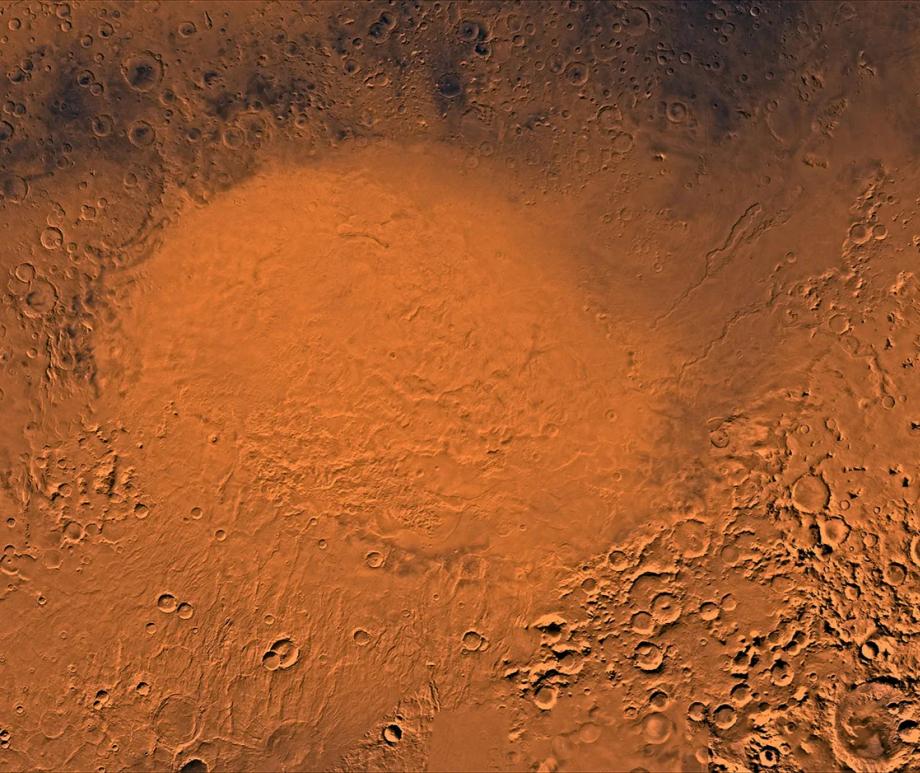
Without Mars, humans and animals could look entirely different.
January 13, 2026
Scientist says the Red Planet shapes our Ice Ages. Read more
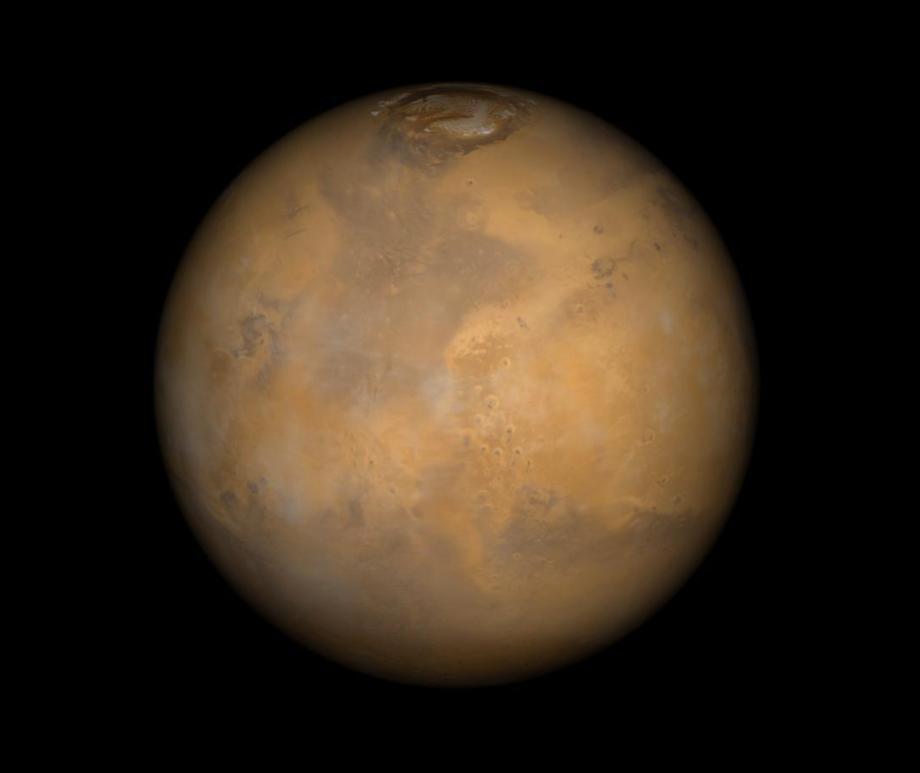
What time is it on Mars? NIST physicists have the answer.
December 1, 2025
This calculation is necessary for future space navigation and communication networks. Read more
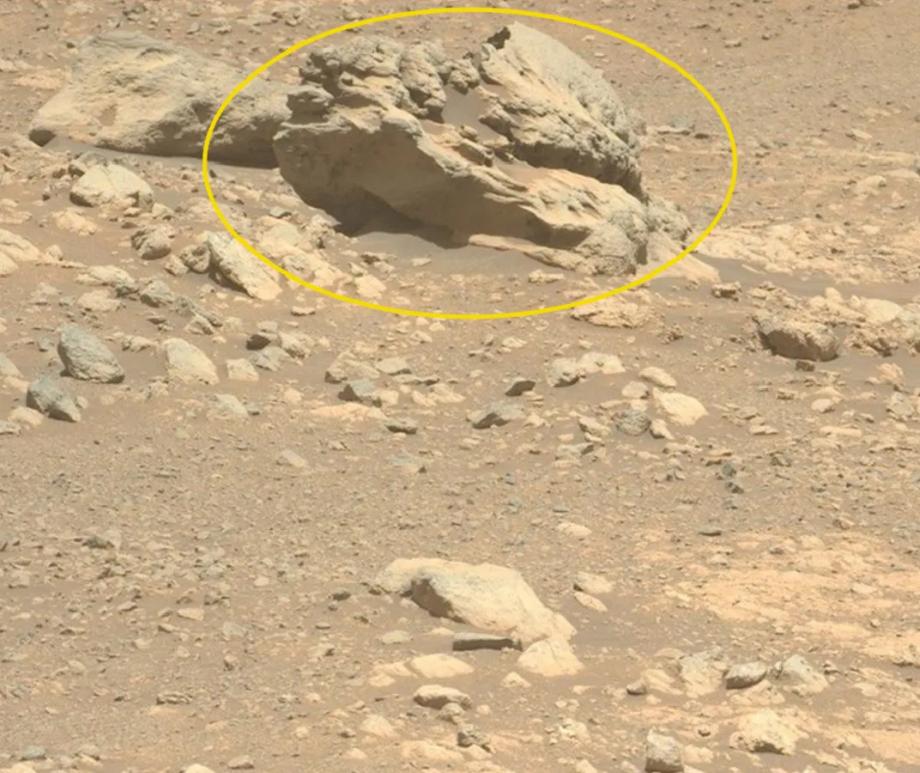
Odd-looking rock on Mars is totally alien to the Red Planet, Perseverance rover finds
November 23, 2025
Dubbed "Phippsaksla," it is unlike anything else the robot has found on the Red Planet. Read more
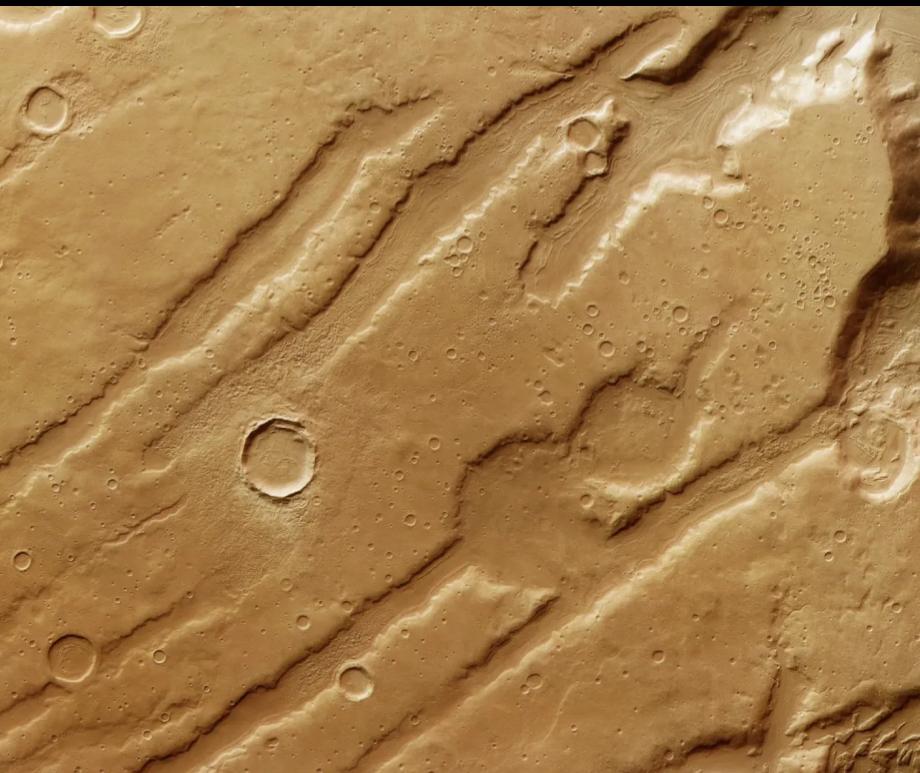
Deep 'scratches' and craters on Mars tell the tale of a Red Planet ice age
November 14, 2025
Mid-latitude valleys and crater floors on the Red Planet reveal swirling deposits from ancient glacial flows. Read more
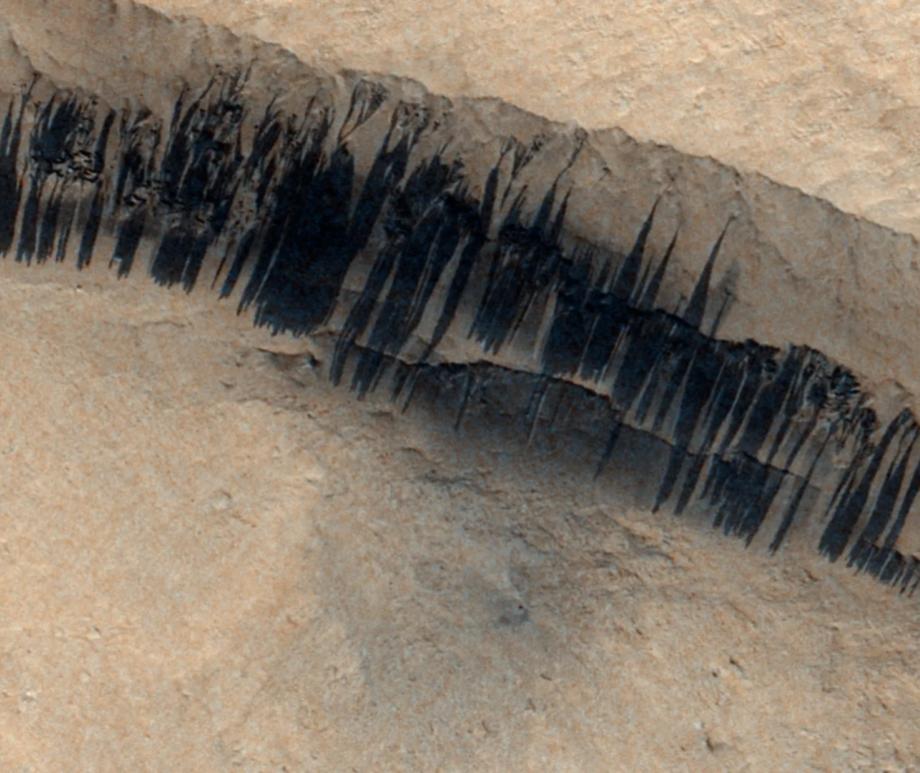
Mars orbiter spies 'barcode' aftermath of rare Red Planet avalanche by meteoroid impact
November 11, 2025
"These observations could lead to a better understanding of what happens on Mars today." Read more
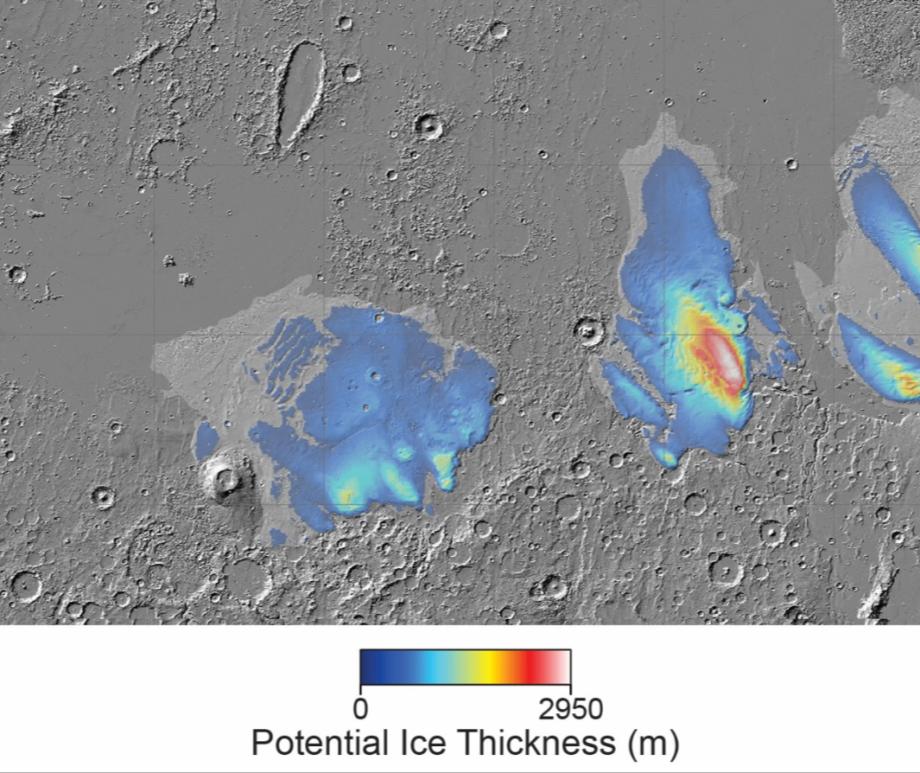
Volcanic explosions on Mars may have left massive ice deposits at the Red Planet's equator
October 22, 2025
"Explosive volcanism could repeatedly seed low latitudes with ice and ash, explaining the excess hydrogen signals measured near the equator." Read more
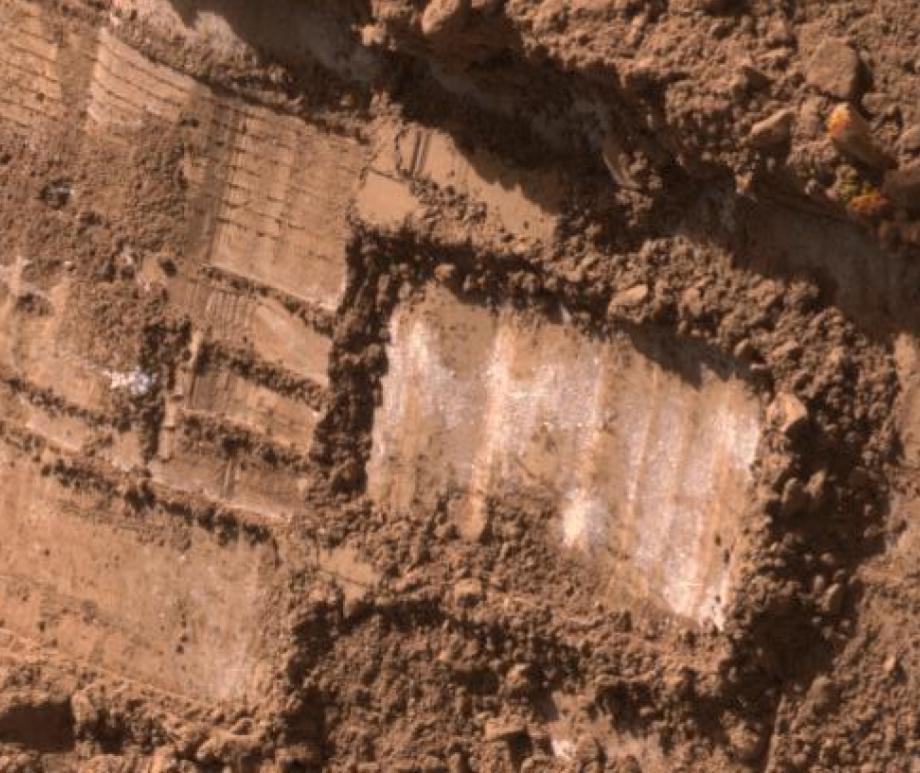
If life on Mars exists, it may be preserved in a frozen time capsule
October 17, 2025
Biomolecules trapped in pure ice could withstand the harsh radiation of Mars for tens of millions of years. Read more
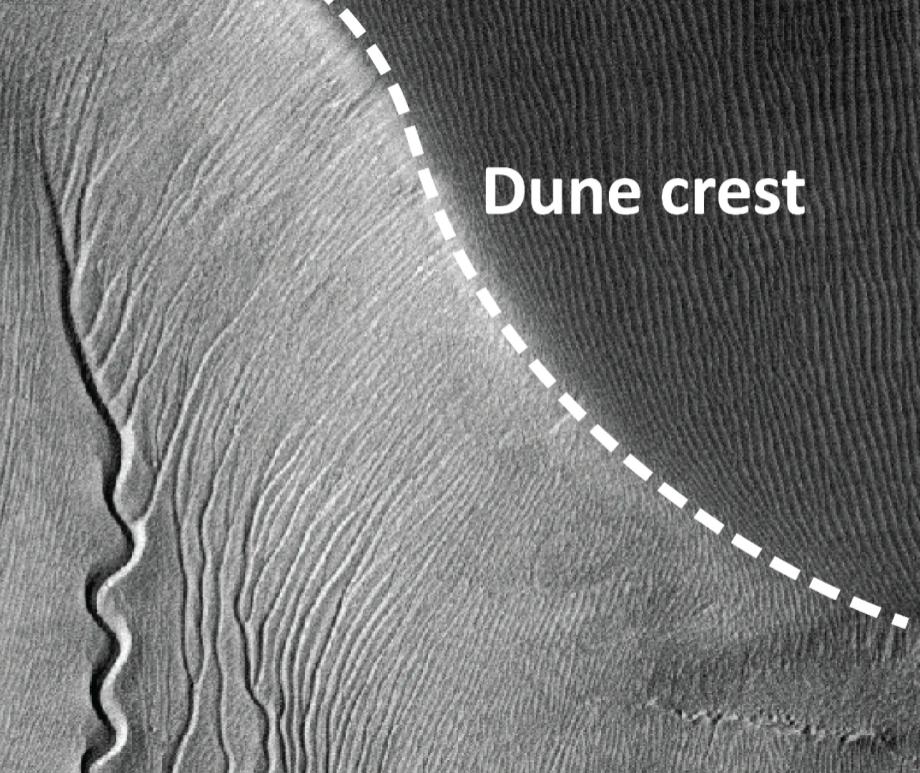
Dry ice may burrow through Mars like sandworms in 'Dune'
October 16, 2025
"The CO2 ice block began to dig into the slope and move downwards just like a burrowing mole or the sandworms from 'Dune.'" Read more
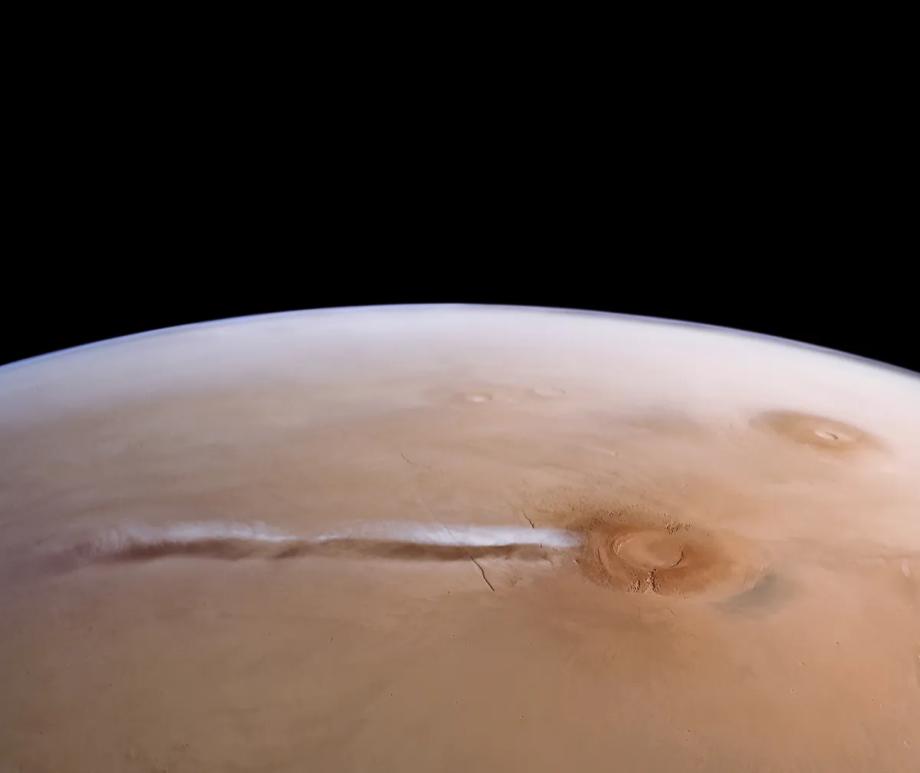
Rampaging Jupiter and Saturn had a strange effect on Mars in our early Solar System
October 16, 2025
The movement of planets in the early Solar System could have starved infant Mars of its water. Read more
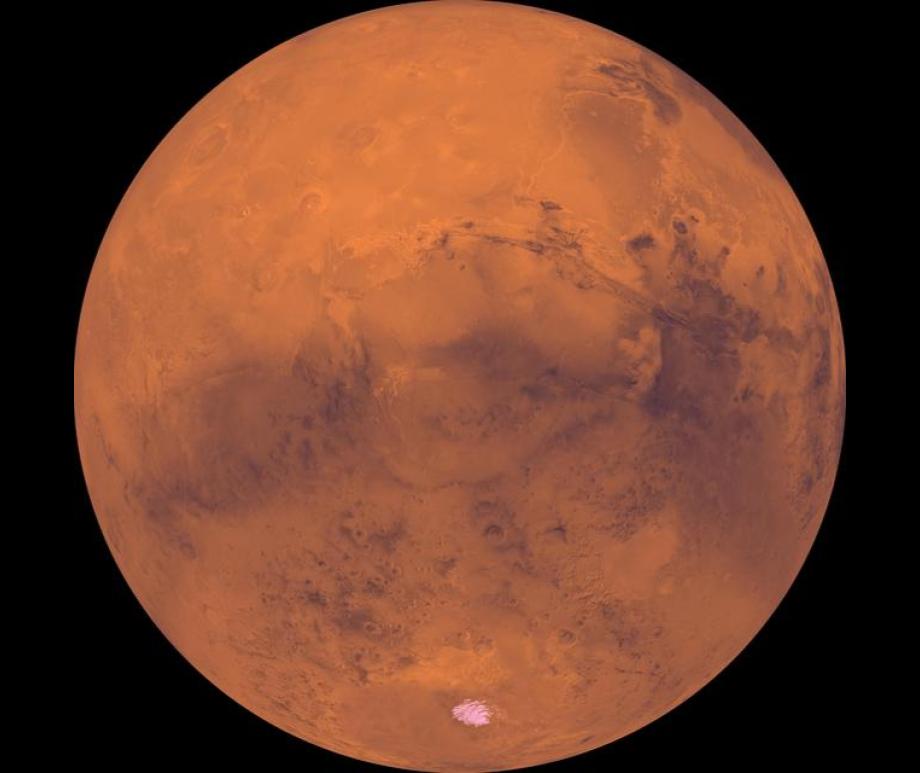
Martian volcanoes may have transported ice to the planet's equator
October 14, 2025
The equatorial regions of Mars are home to unexpectedly enormous layers of ice, and they may have been put there by dramatic volcanic eruptions billions of years ago Read more
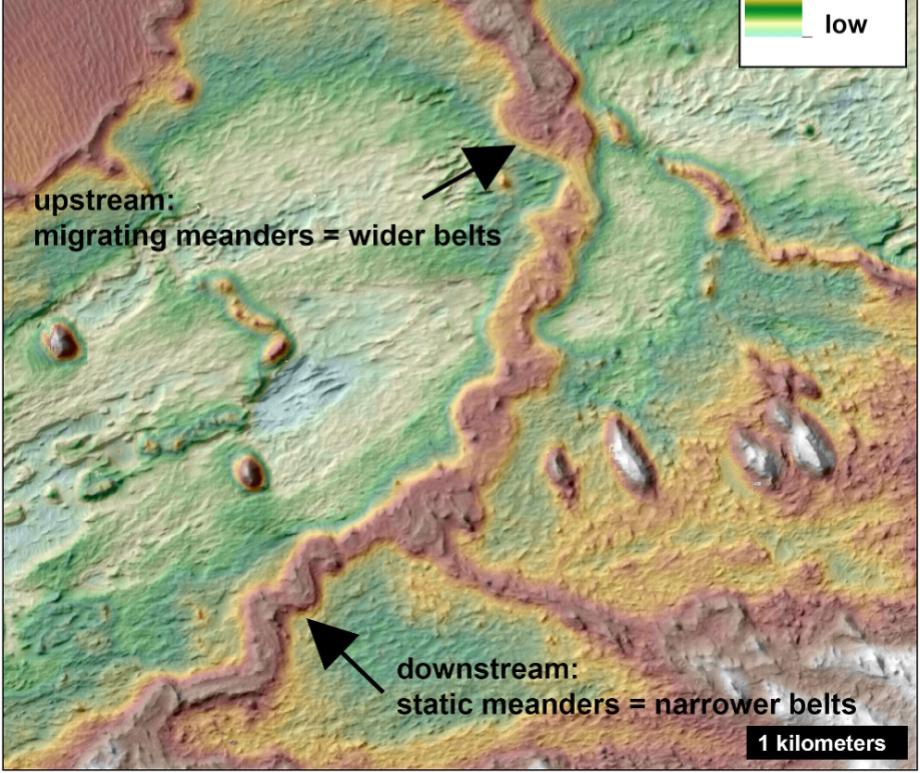
Geological evidence points to ancient ocean in Mars' northern hemisphere
September 30, 2025
Most scientists agree the red planet had rivers. But did those rivers flow into an ocean? Read more
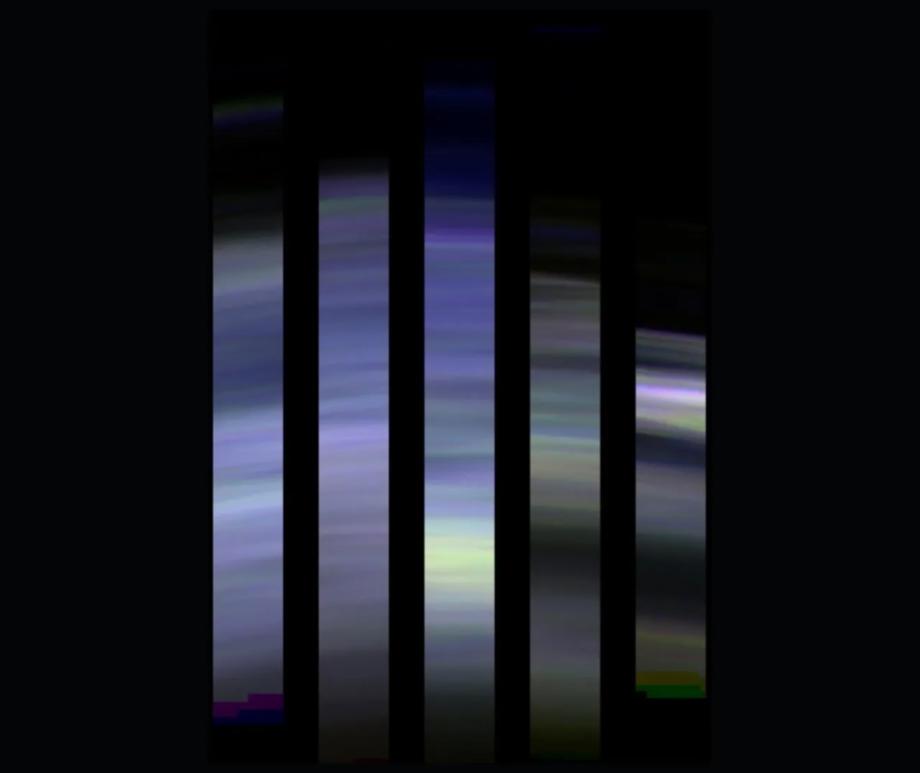
ESA spacecraft sees a kaleidoscope of color in Mars' atmosphere
September 26, 2025
This delicately layered atmosphere is considered a "mille-feuille" by experts at the European Space Agency. Read more
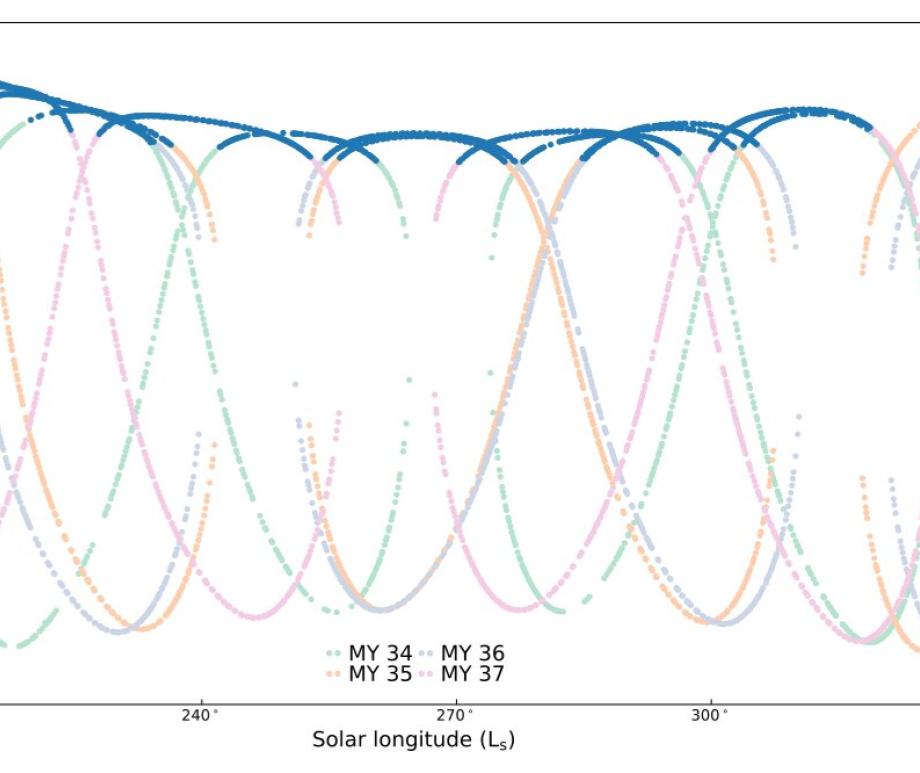
Mars's chilly north polar vortex may create a seasonal ozone layer
September 17, 2025
"This is a fascinating opportunity to learn more about Martian atmospheric chemistry" Read more
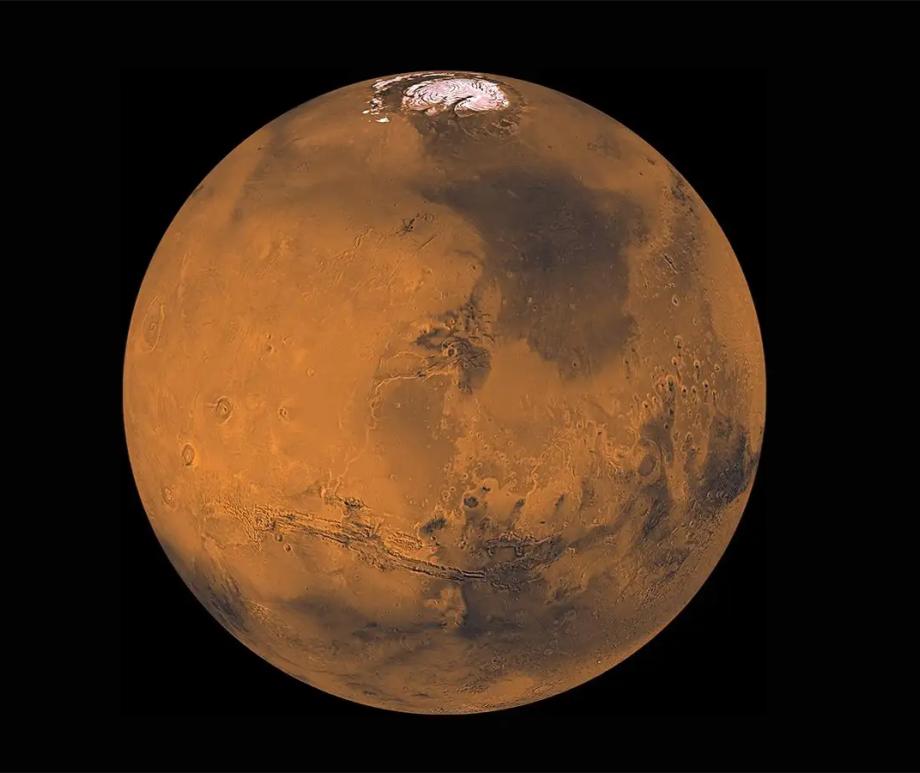
Mars once had an atmosphere that was thicker than Earth's today
September 15, 2025
The now wispy remnant of an atmosphere may once been one hundreds of times thicker with a pressure three times that on Earth Read more
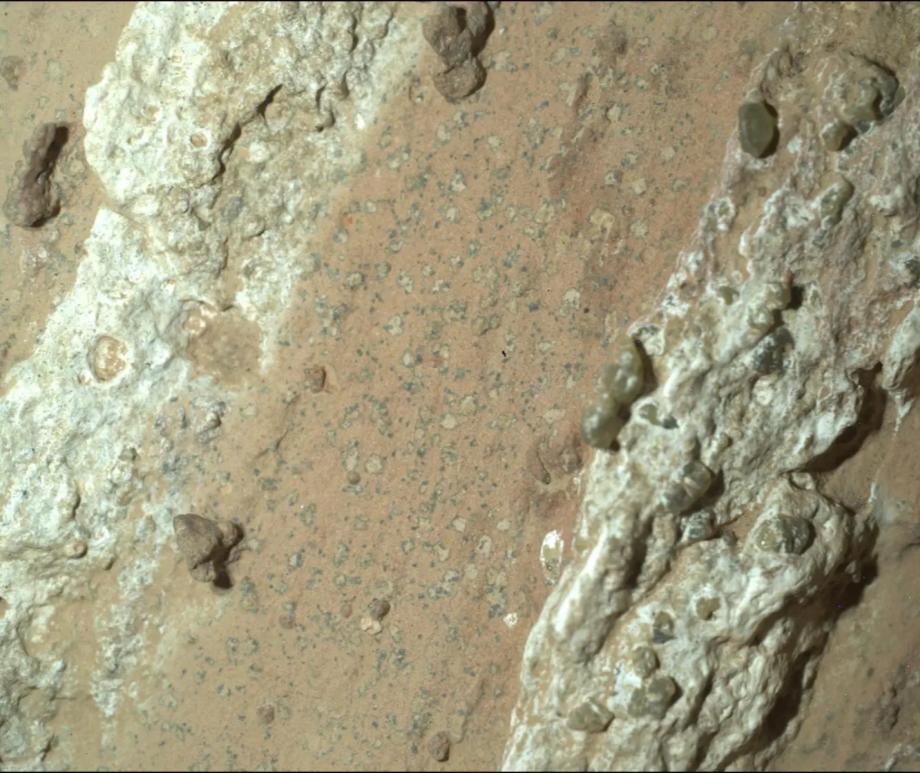
BREAKING NEWS: NASA says Mars rover discovered potential biosignature last year
September 10, 2025
A sample from the Jezero Crater could preserve evidence of ancient microbial life Read more
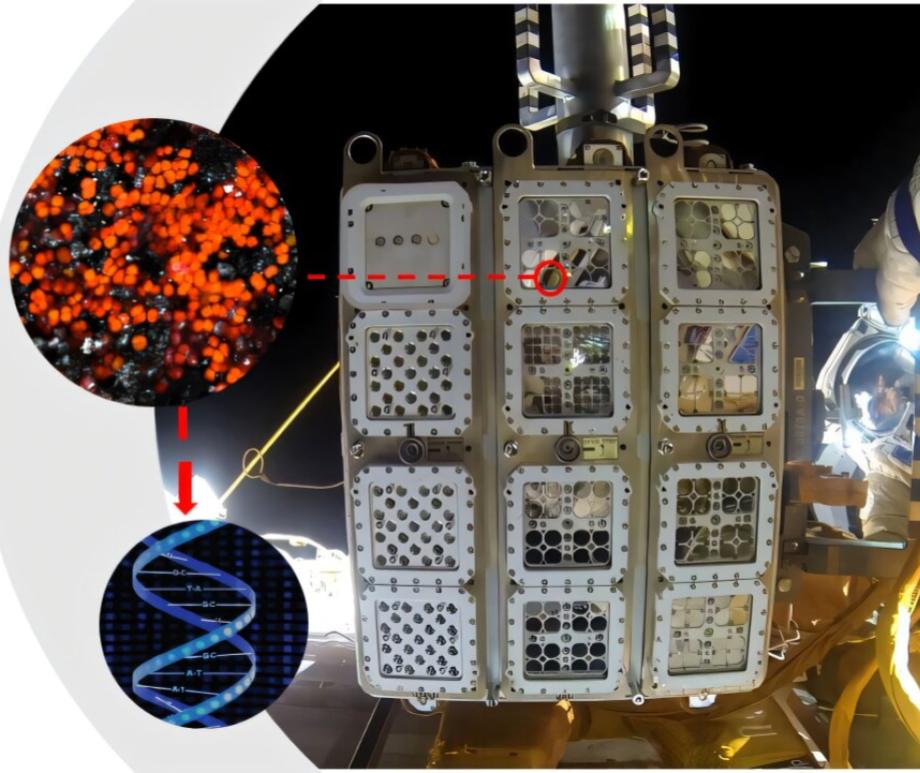
One extremophile eats Martian dirt, survives in space and can create oxygen for colonies
September 9, 2025
Astrobiologists look into chroococcidiopsis as a tool for future space missions Read more
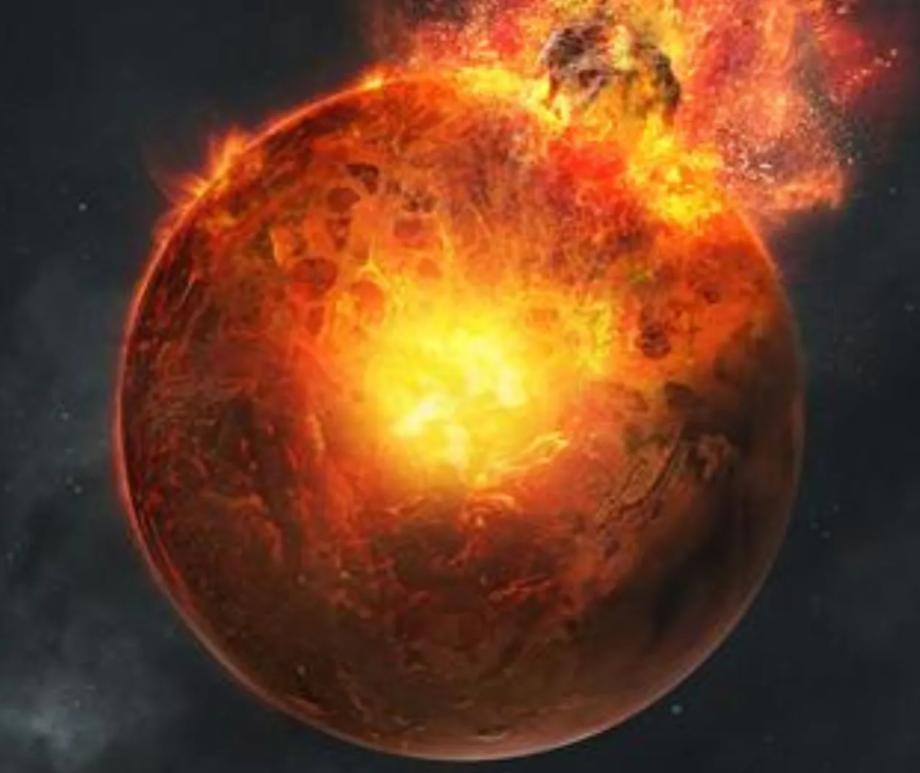
Huge chunks of ancient cosmic objects may be stuck inside Mars
September 4, 2025
Forget neat, smooth layers — Mars' interior is a chunky mix. Read more
Fascinating Facts About Mars
- If the sun were as tall as a typical front door, Earth would be the size of a nickel, and Mars would be the size of an aspirin tablet.
- From Mars’ surface, the Sun appears about two-thirds as large as it does from Earth and sunlight appears about 2 times dimmer.
- Mars has gullies characterized by an alcove at the top, a channel, and an apron of deposited material at the bottom. At first, gullies were thought to be a result of flowing water, but recent studies have shown that this is likely not true. Researchers are further studying how these gullies might have formed. Mars also has Lobate Debris Aprons (LDAs); these are now stationary glacial flows composed almost entirely of water ice and covered in a layer of debris. Although the age and origins of LDAs are a mystery, they are likely remnants of a previous ice age on Mars.
- Mars is known as the Red Planet because iron minerals in the Martian soil oxidize, or rust, causing the soil, and the dusty atmosphere, to look red.
- Mars is the only planet other than Earth that has polar ice caps.
- The tallest mountain in the solar system, Olympus Mons, is on Mars; and the longest and deepest canyon in the solar system, Valles Marineris, is also on Mars.
- Mars is the only planet with observed dry ice (carbon dioxide) snowfall.
Missions
InSight (2018)
Mission to study crust, mantle and core of Mars
ExoMars Trace Gas Orbiter (2016)
ESA/Roscosmos mission to better understand methane and other trace atmospheric gases
MAVEN (2013)
Mission to study upper atmosphere and ionosphere
Mangalyaan (Mars Orbiter Mission) (2013)
ISRO mission to explore Mars surface features, morphology, mineralogy and atmosphere
Curiosity (2011)
Mission to determine if Mars is able to support microbial life
Phoenix (2007)
Mission to study history of water in the Martian arctic and search for evidence of a habitable zone
Mars Reconnaissance Orbiter (2005)
Mission to search for evidence that water persisted on the surface for long period of time
Spirit & Opportunity (2003)
Mission to study history of water on Mars
Mars Express (2003)
ESA mission to study atmosphere, climate, planet structure, mineralogy and geology and search for traces of water
Mars Odyssey (2001)
Mission to study radiation environment and detect water and shallow buried ice
Mars Pathfinder (1996)
Mission to deliver lander and rover to Mars surface
Mars Global Surveyor (1996)
Mission to study composition and topography and monitor weather patterns
Phobos 2 (1988)
Soviet Union mission to study surface and atmosphere of Mars and surface composition of Martian moon Phobos
Viking 1 & 2 (1975)
Mission to collect data about the surface and atmosphere and search for signs of life
Mariner 9 (1971)
Mission to map Mars' surface
Mars 2 & 3 (1971)
Soviet Union orbiter and lander
Mariner 6 & 7 (1969)
Flyby to study surface for signs of life
Mariner 4 (1964)
First Mars flyby