



Does Mercury Have Water?
You might think the surface of the closest planet to the Sun would be the last place we’d find water, but the surface of Mercury actually has ice! This is because there is almost no atmosphere. Air is great at holding on to heat, which is why winter coats are puffy. Sunlight heats up Mercury's surface to 430°C (806°F) during daytimes that last nearly 3 Earth months, but without an atmospheric blanket, the surface loses all that heat to space and drops to -180°C (-292°F) during the equally long nighttime. That’s well below the freezing point of water. How would ice survive the daytime, though? It wouldn’t, but at the poles where the Sun stays near the horizon as the planet turns, the bottoms of deep craters are forever in shadow. Data collected by NASA’s MESSENGER spacecraft and the Arecibo Observatory in Puerto Rico have confirmed water ice deposits on the floors of these polar craters that never see the light of day. Read More
Latest News About Mercury
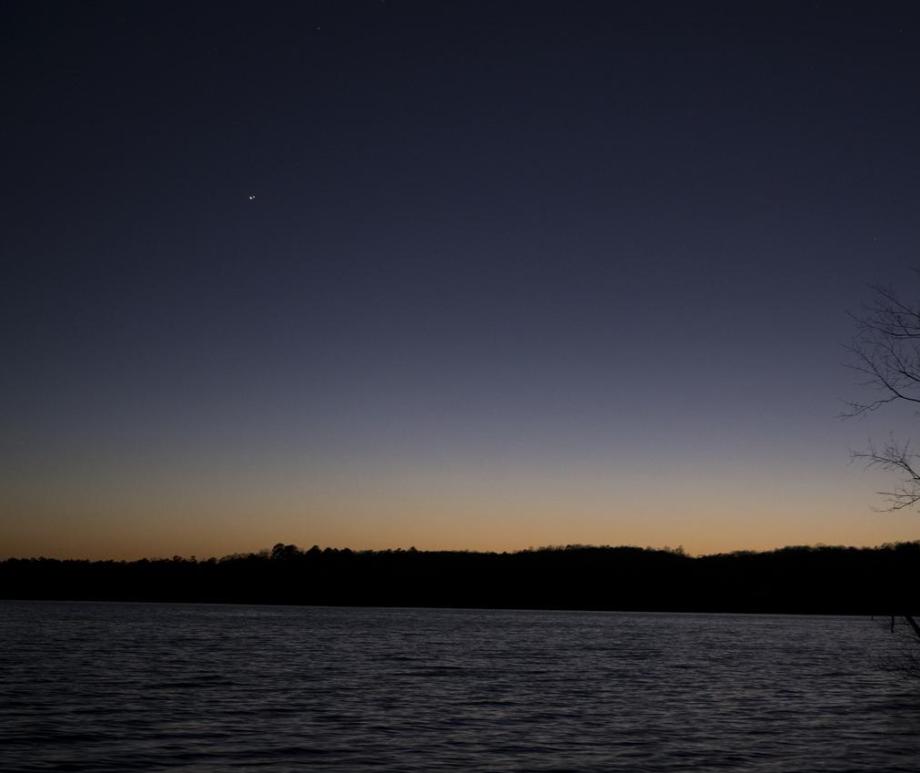
Catch Mercury shining at its best tonight before it slips back into the sun's glare
June 15, 2026
Mercury will appear farthest from the sun in its current evening apparition on June 15. Read more
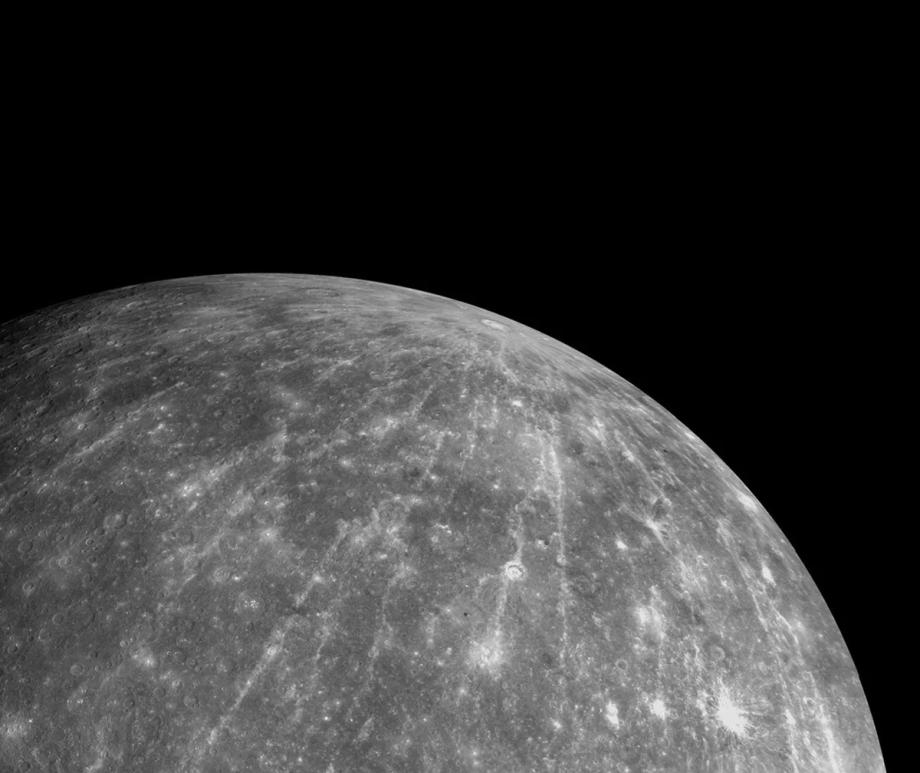
Where did Mercury get its water ice? Maybe from a single slow asteroid impact
May 28, 2026
New findings suggest Mercury's ice was deposited rapidly rather than supplied gradually over long periods of time. Read more
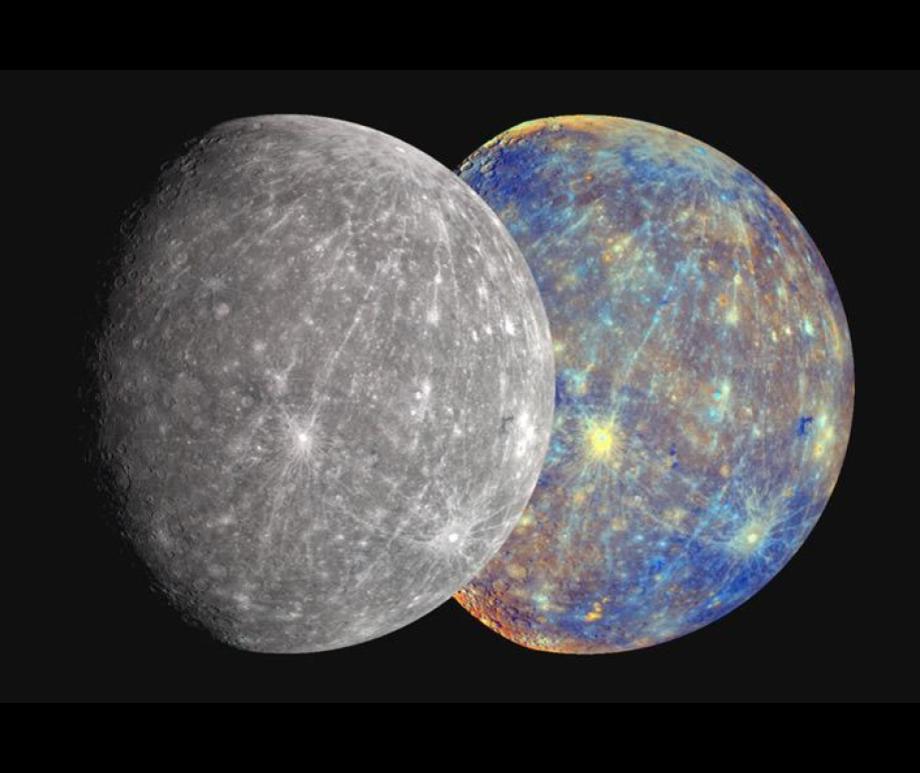
Why Mercury doesn’t play by Earth’s rules: the sulfur problem
April 20, 2026
The planet's sulfur-rich, iron-poor chemistry prevents scientists from using terrestrial assumptions for its mantle. Read more
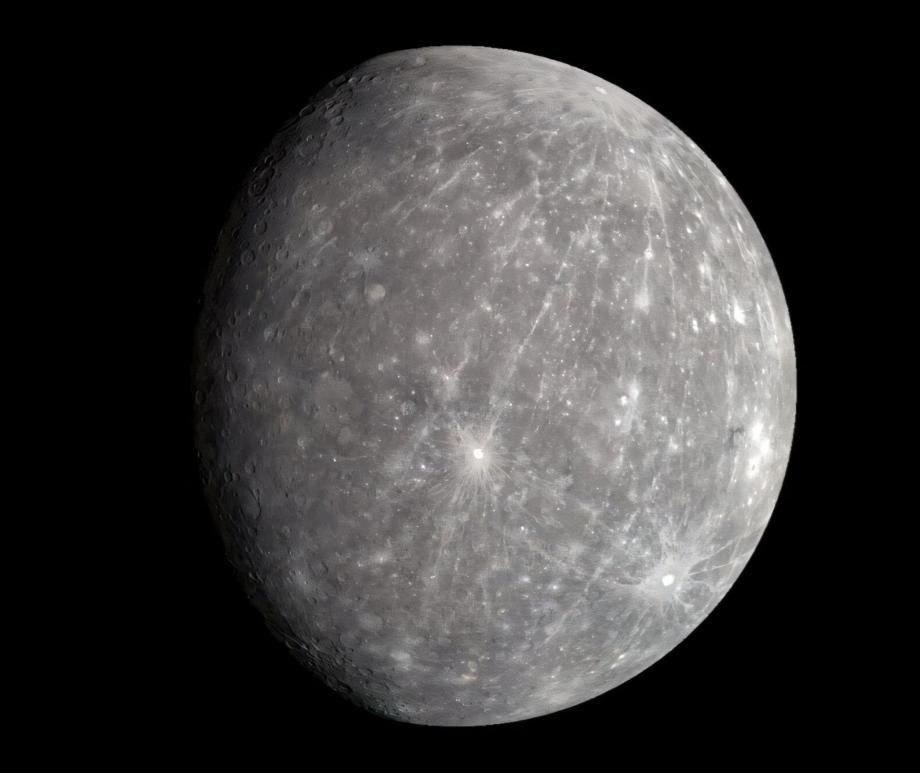
Mercury scout mission concept with solar sail propulsion
April 1, 2026
What if a spacecraft could both travel to and explore Mercury without fuel? Read more
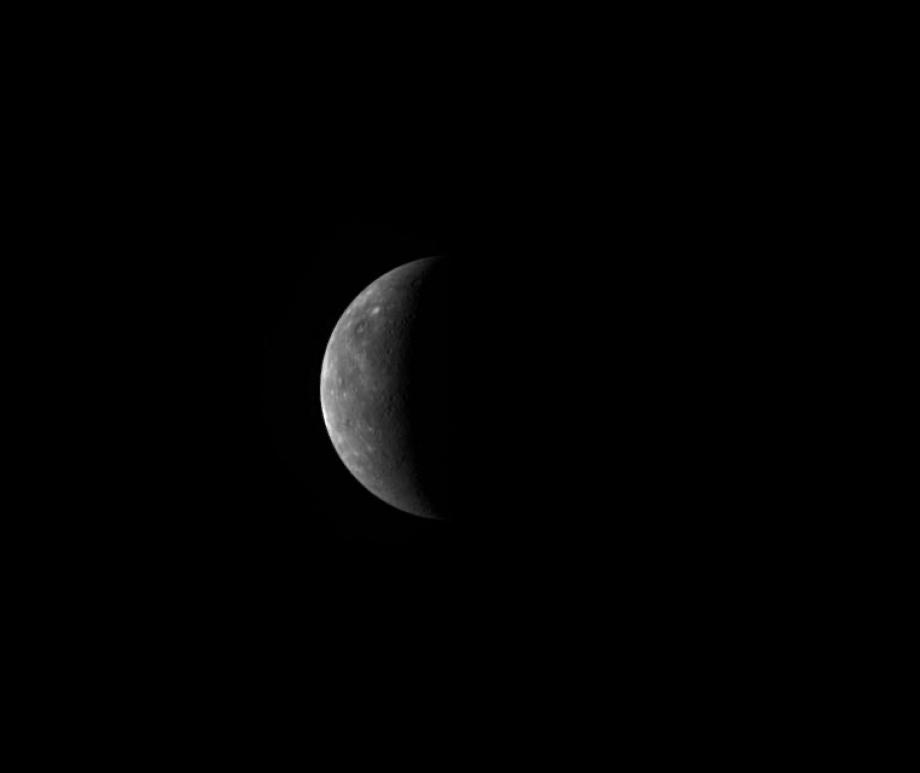
Now's your best chance to see Mercury all year
February 5, 2026
Mercury puts on its best evening show of 2026 this February, with bright views after sunset and a helpful crescent moon. Read more
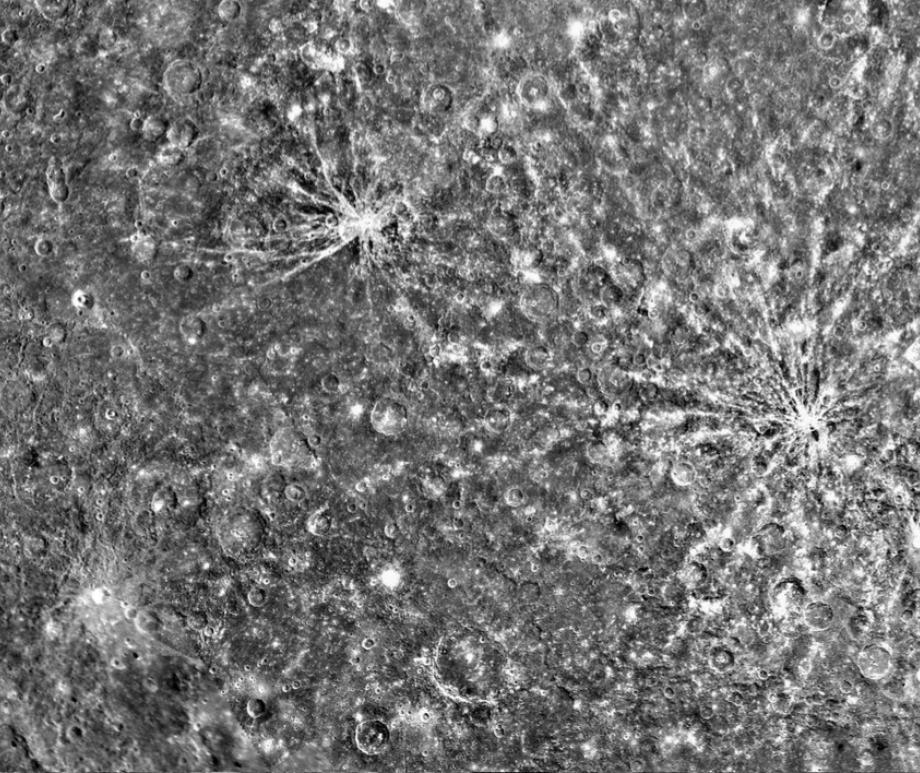
Hundreds of bright streaks suggest Mercury’s still active
February 3, 2026
An AI search through decades-old spacecraft images reveals that Mercury may still be alive and kicking, geologically speaking. Read more
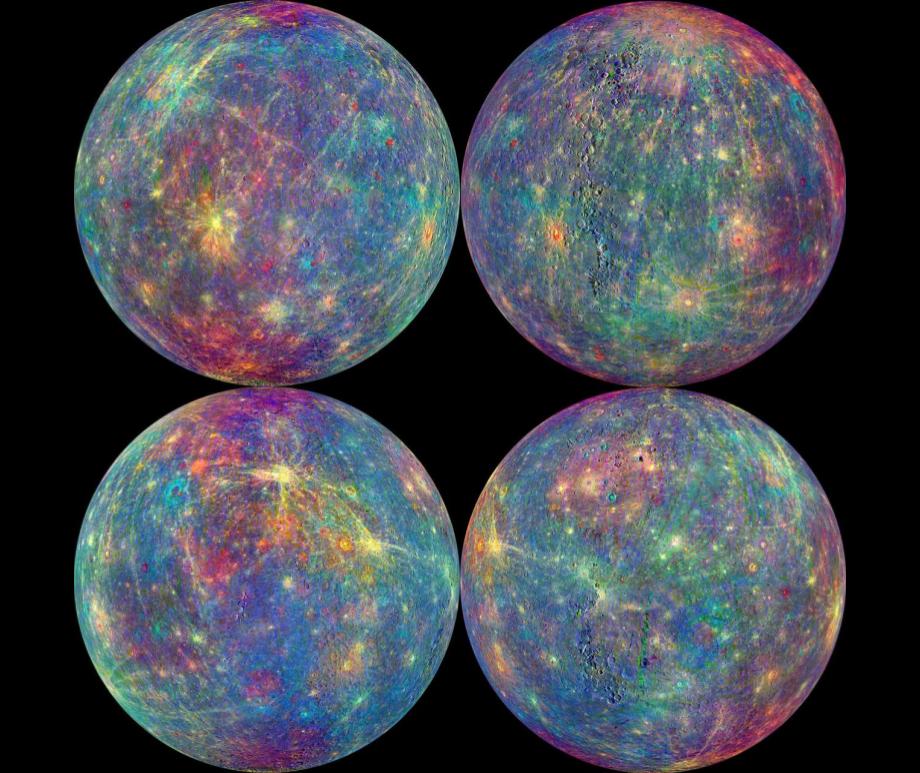
BepiColombo Mio and Earth's GEOTAIL show shared wave frequency properties across planetary magnetospheres
January 19, 2026
This opens the way to comparative studies across multiple planets. Read more
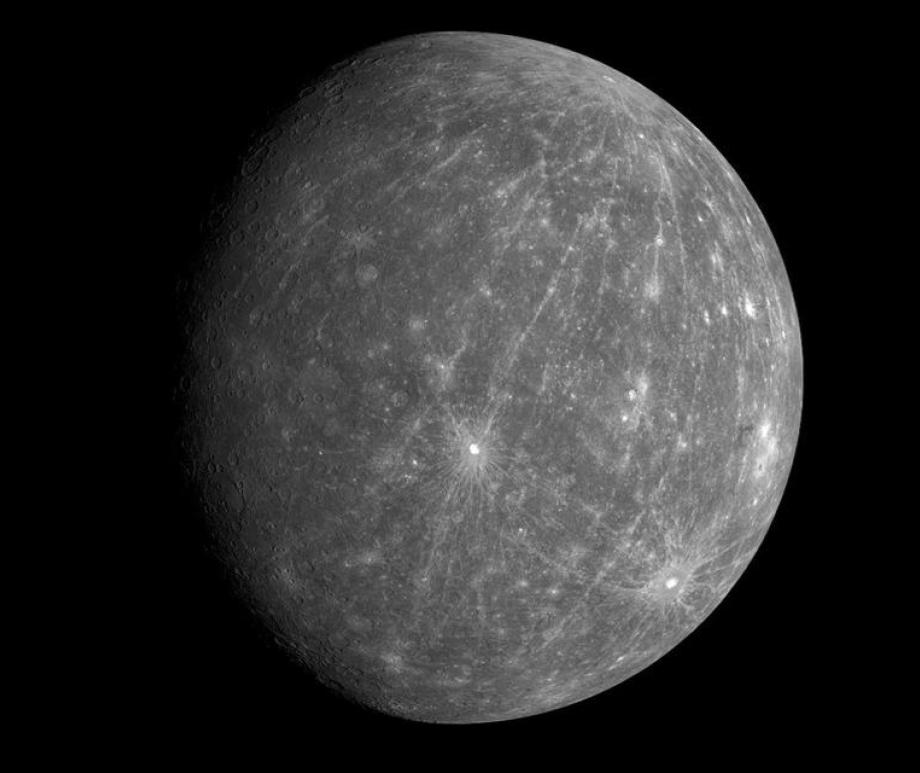
Mercury: The planet that shouldn't exist
December 28, 2025
Mercury has long baffled astronomers because it defies much of what we know about planet formation. Read more

Collision between two bodies of similar mass may explain the formation of Mercury
September 22, 2025
A new study proposes an alternative explanation for the formation of Mercury. Read more
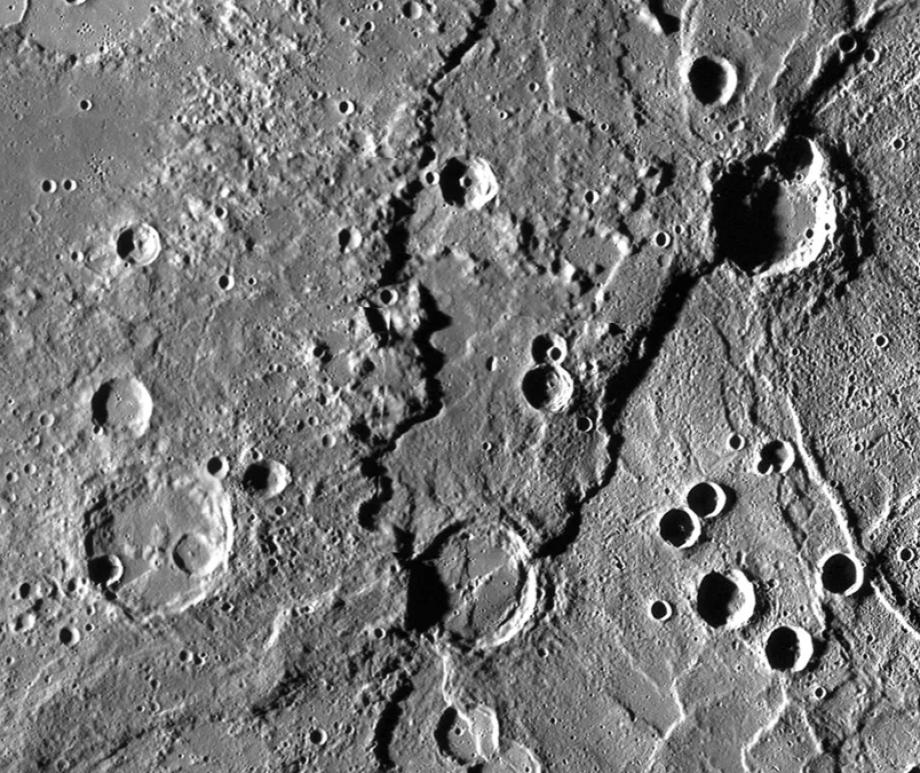
How much has Mercury shrunk?
August 17, 2025
Mercury is still shrinking as it cools in the aftermath of its formation, and new research estimates how much. Read more
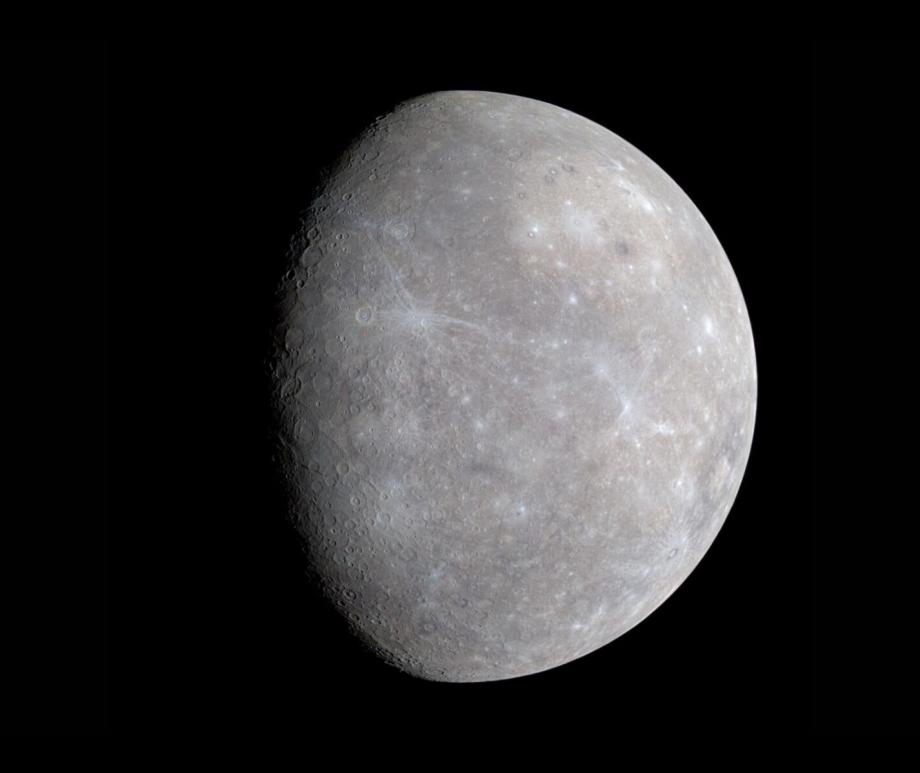
Scientists detect lithium in Mercury's exosphere using magnetic wave analysis
July 18, 2025
Mercury's surface has been enriched with volatile elements through continuous meteoritic impacts Read more
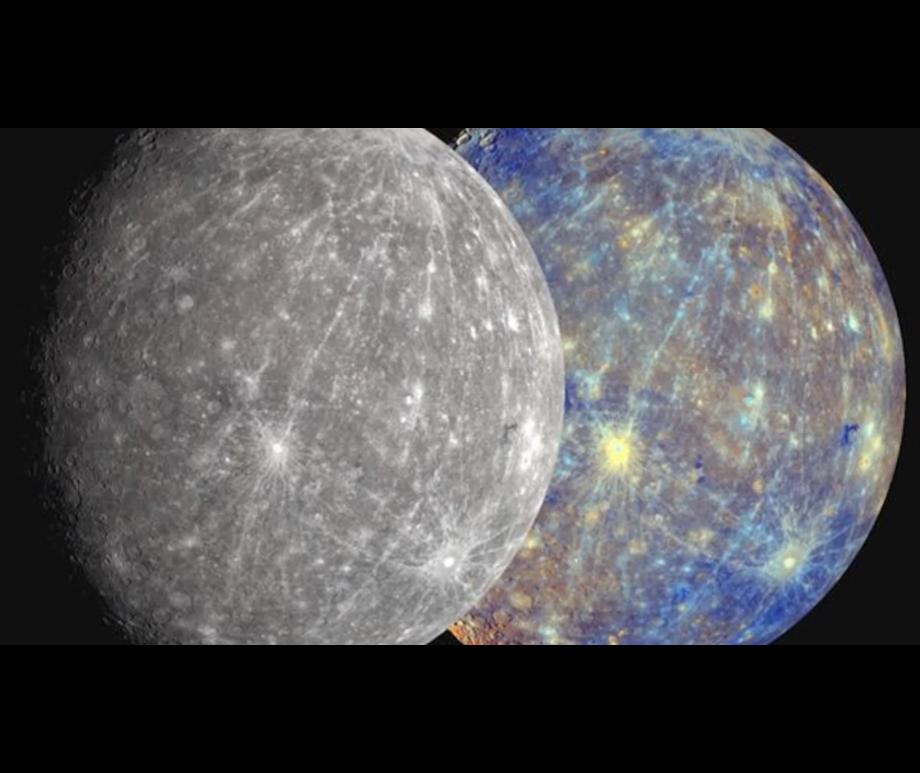
Mercury's 'missing' meteorites may have finally been found on Earth
July 6, 2025
Meteorites may be the only practical way to study Mercury's surface directly. Read more
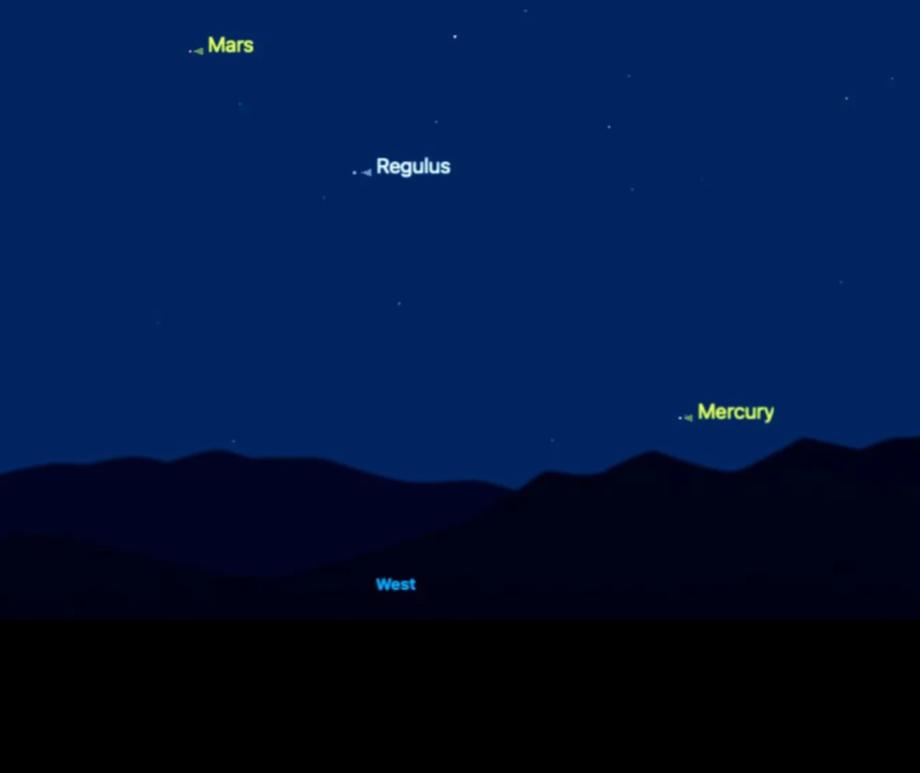
See Mercury at greatest elongation, its farthest from the sun in the evening sky this week
July 2, 2025
The rocky world will be visible for a brief window after sunset Read more
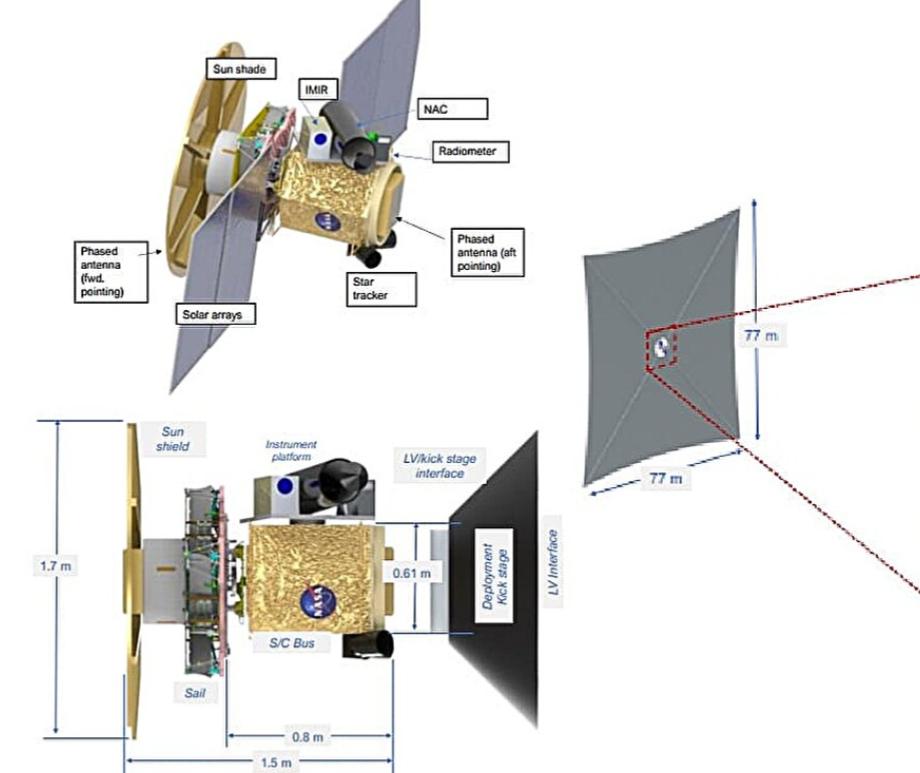
A mission that could reach Mercury on solar sails alone
April 4, 2025
The proposal would harness solar winds to propel a spacecraft all the way to Mercury Read more
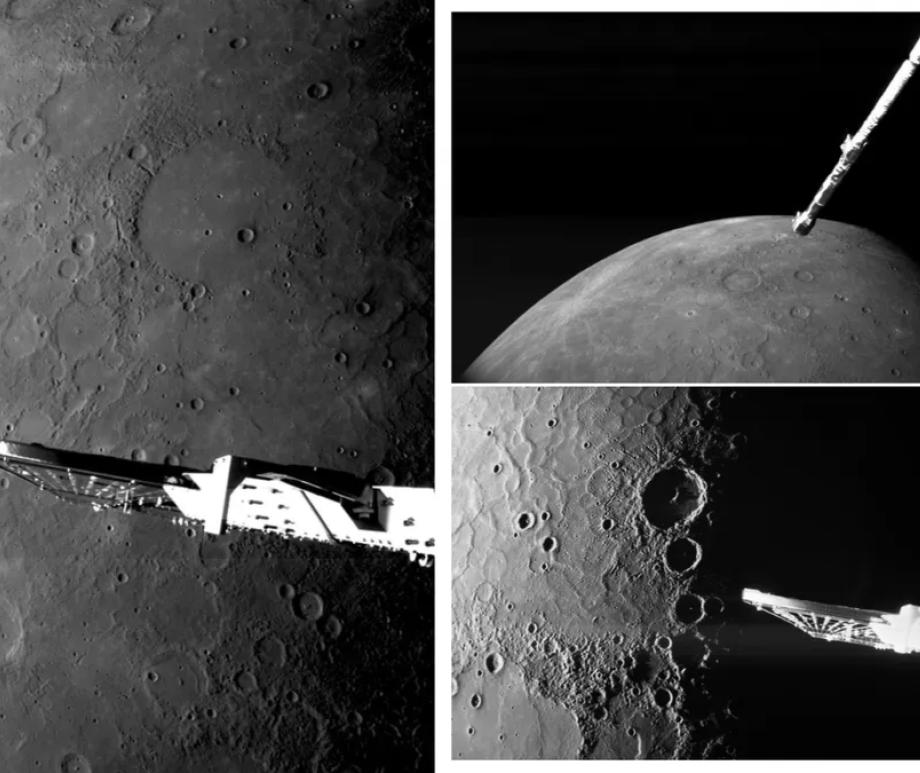
Mercury looks stunning in images from BepiColombo spacecraft's 6th and final flyby
January 9, 2025
All six of its flybys of Mercury have given us invaluable new information about the little-explored planet Read more
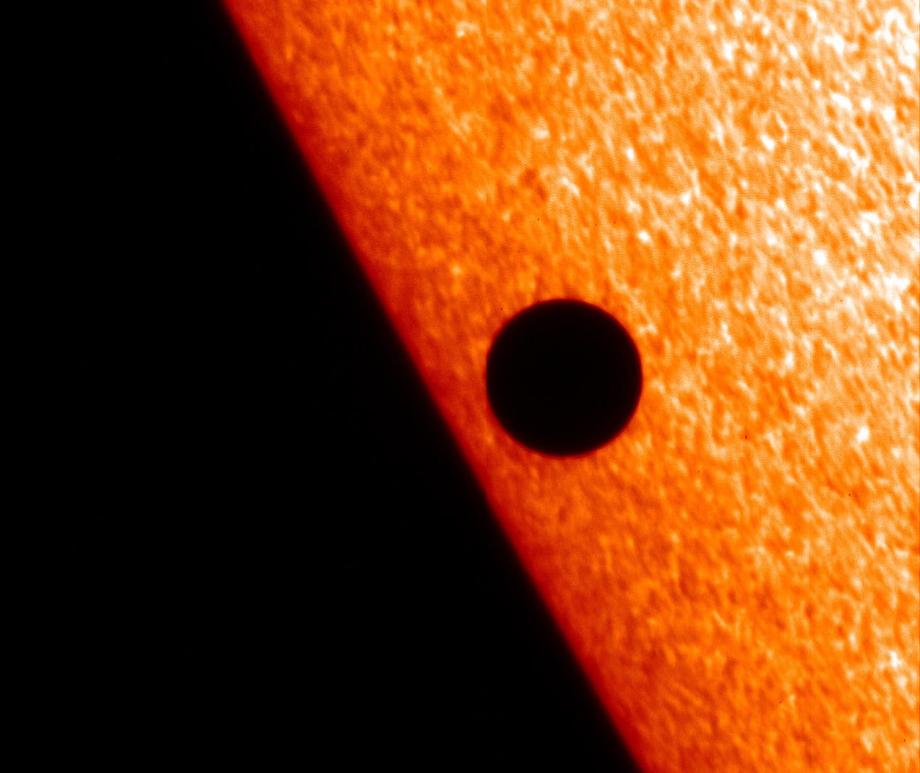
Why Mercury remains a mystery: three key exploration challenges
December 14, 2024
Mercury is the least explored of the four rocky planets in the inner Solar System Read more
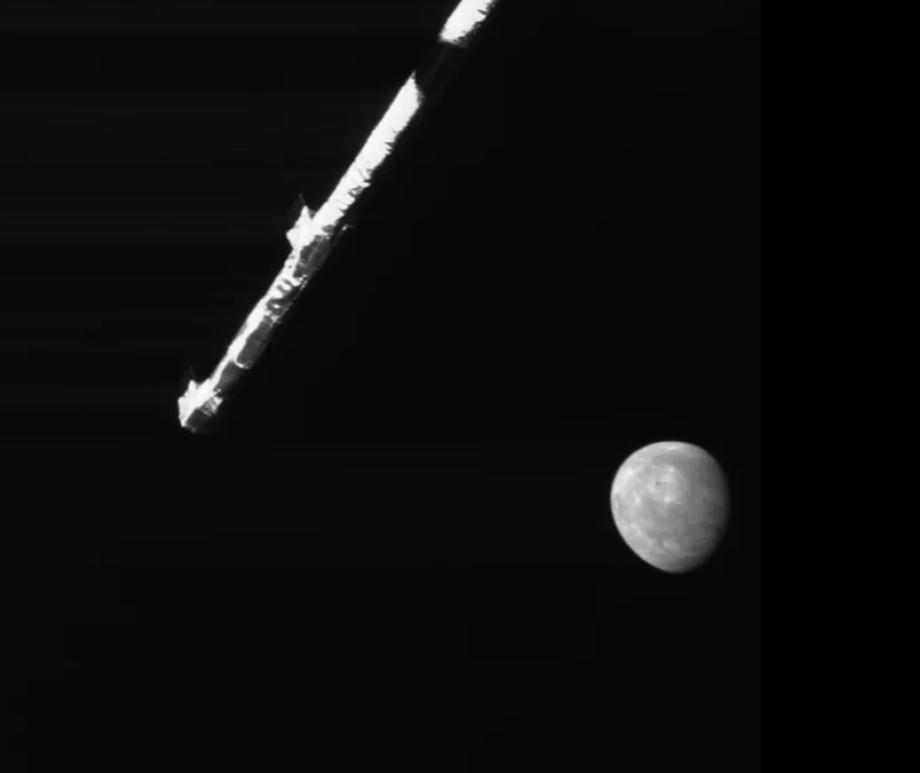
BepiColombo probe captures haunting Mercury image on 5th of 6 gravity assist flybys
December 2, 2024
During recent flyby, the probe was once again able to generate an image of the planet Read more
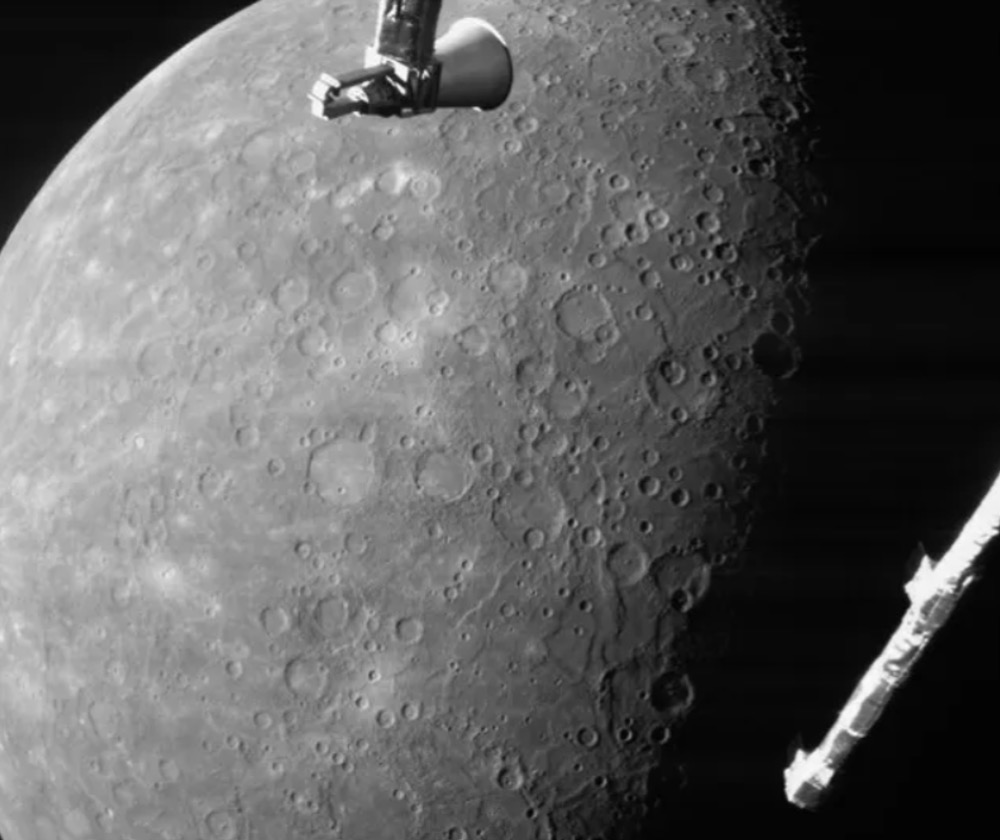
BepiColombo probe captures stunning Mercury images in closest flyby yet
September 6, 2024
It is a world of extremes and contradictions, so I dubbed it the ‘Problem Child of the Solar System’ Read more
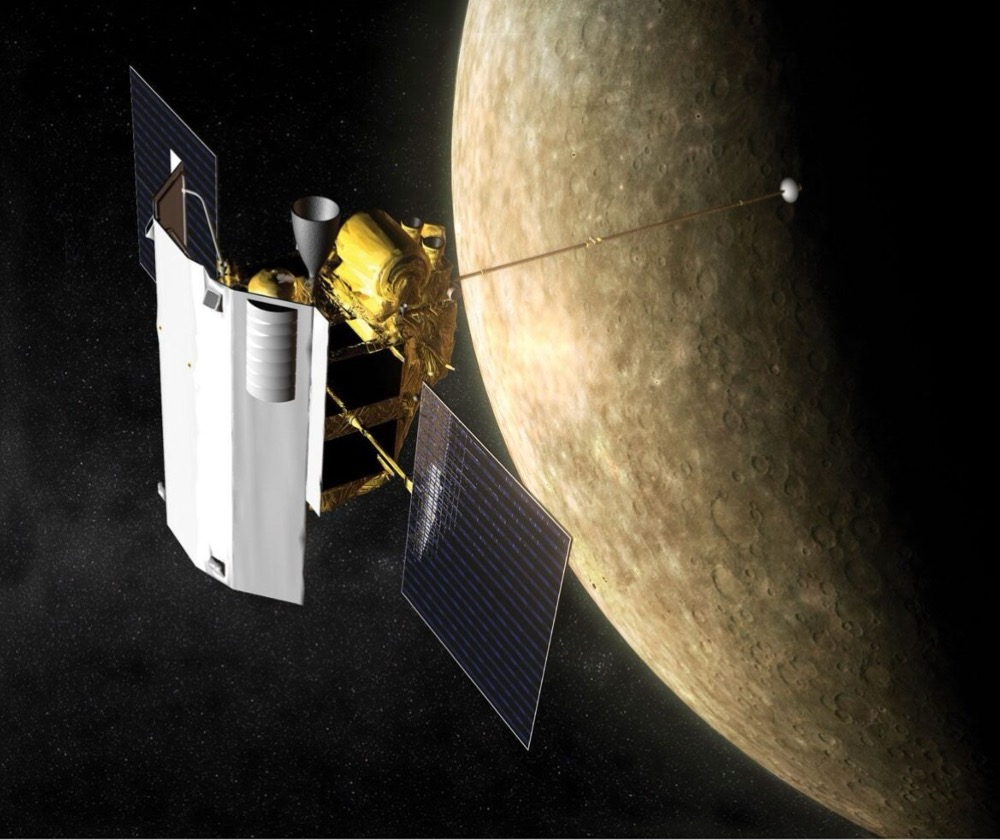
How the MESSENGER mission transformed our understanding of Mercury
August 13, 2024
The probe was the first to map the entire surface and find water ice in its polar craters Read more
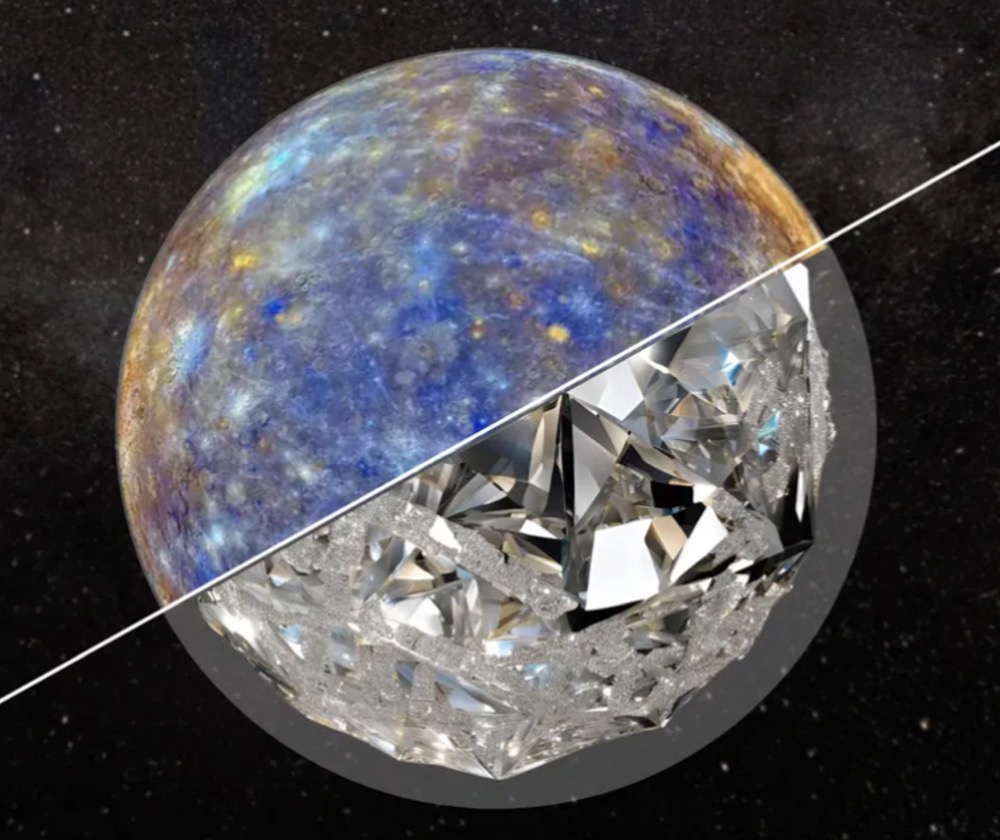
Mercury has a layer of diamond 10 miles thick
July 24, 2024
The solar system's tiniest planet may be hiding a big secret Read more
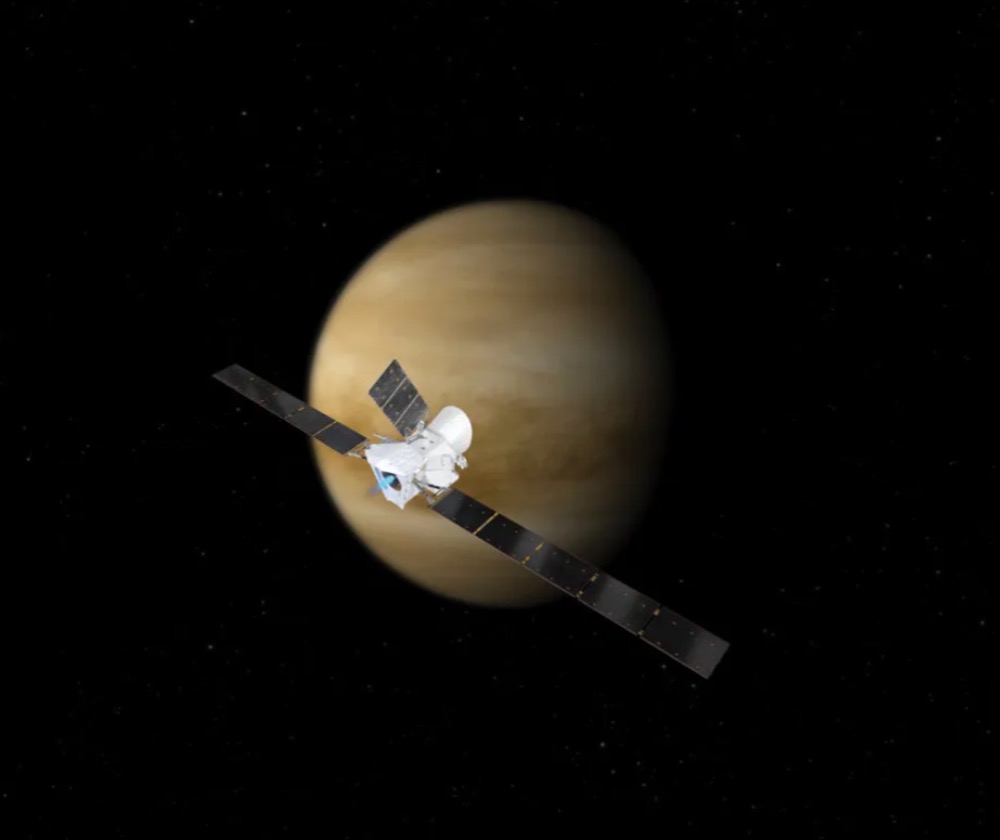
Japanese-European spacecraft bound for Mercury weakened by thruster glitch
May 16, 2024
The spacecraft is set to make a flyby of Mercury in September Read more
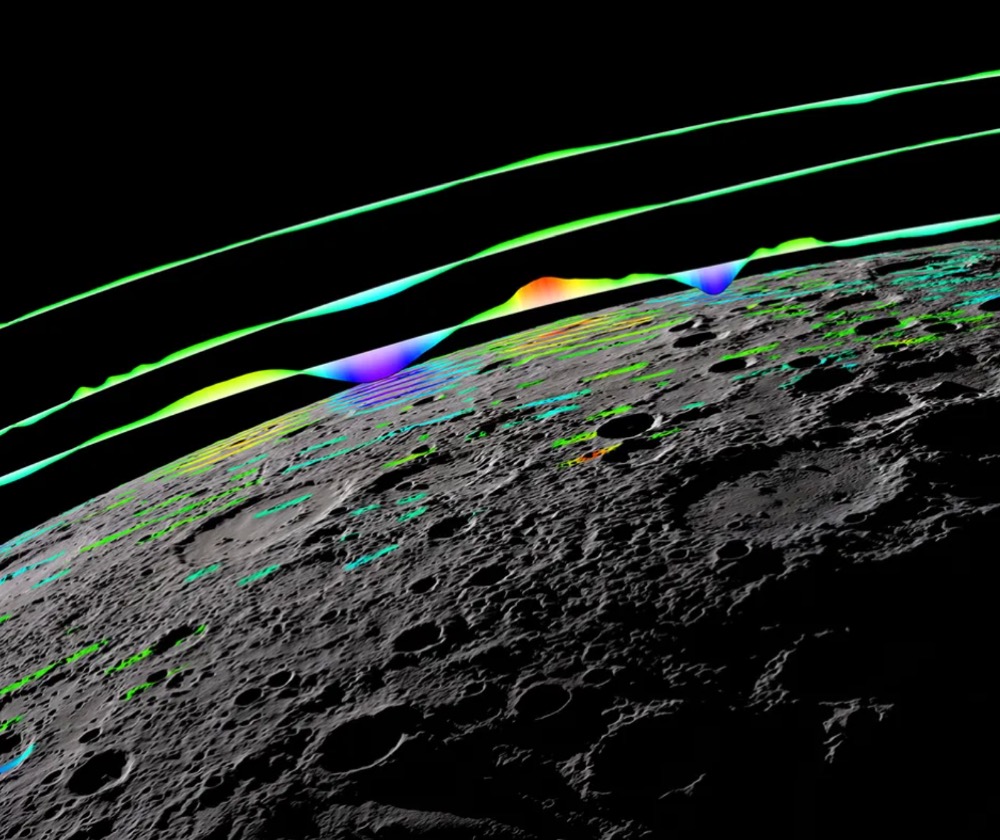
The seven most amazing discoveries we’ve made by exploring Mercury
April 16, 2024
Only two robotic missions have made it there, but they were crucial for upending many false assumptions Read more
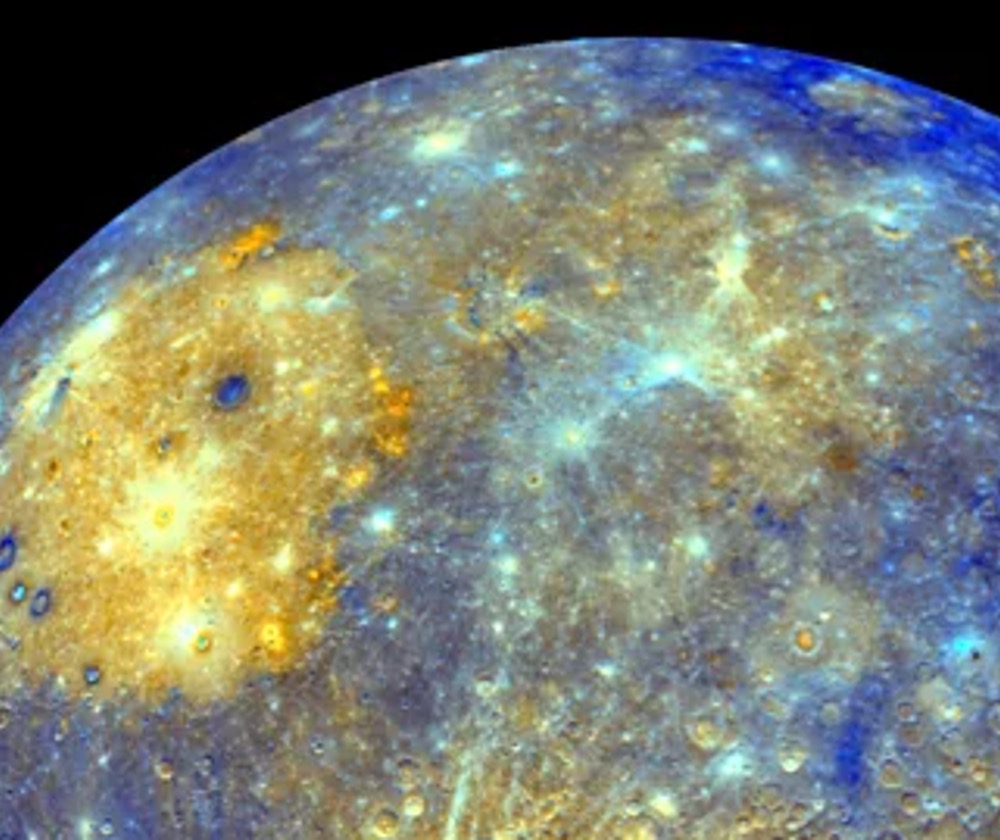
The Solar System's smallest planet may once have been as large as Earth
April 14, 2024
The Mercury we see today may be nothing more than the kernel of the planet that was once there Read more
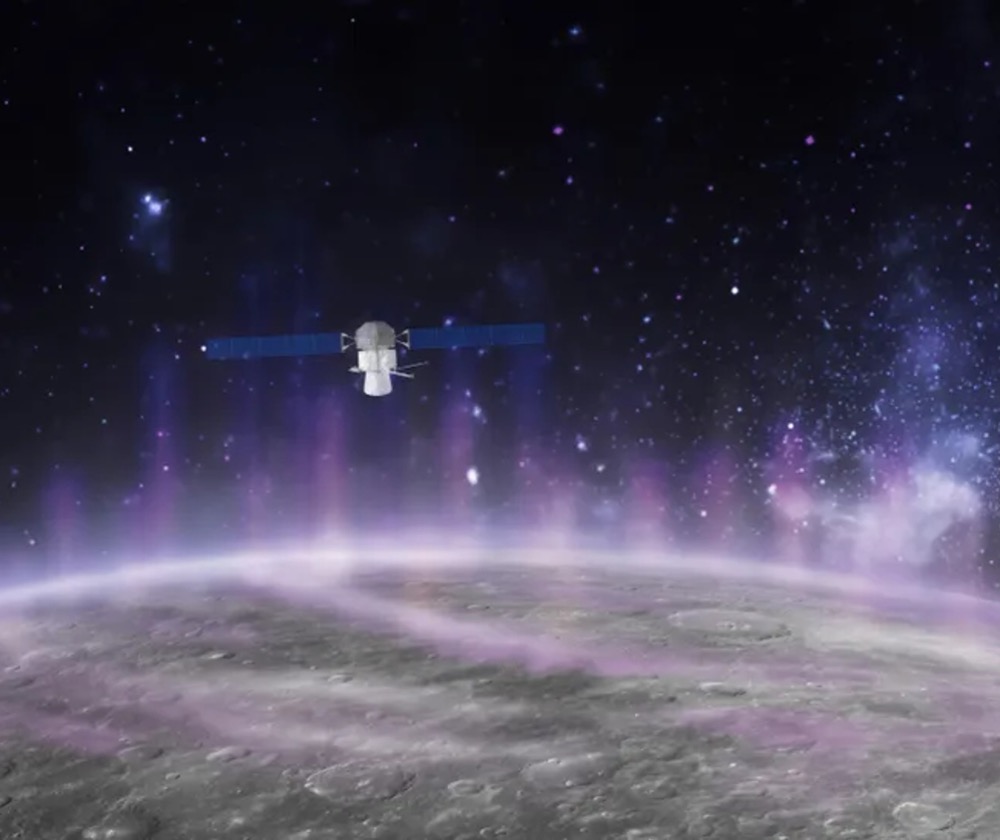
Mercury slammed by gargantuan eruption from the sun's hidden far side, possibly triggering 'X-ray auroras'
March 12, 2024
It's often blasted due to its proximity to the Sun Read more
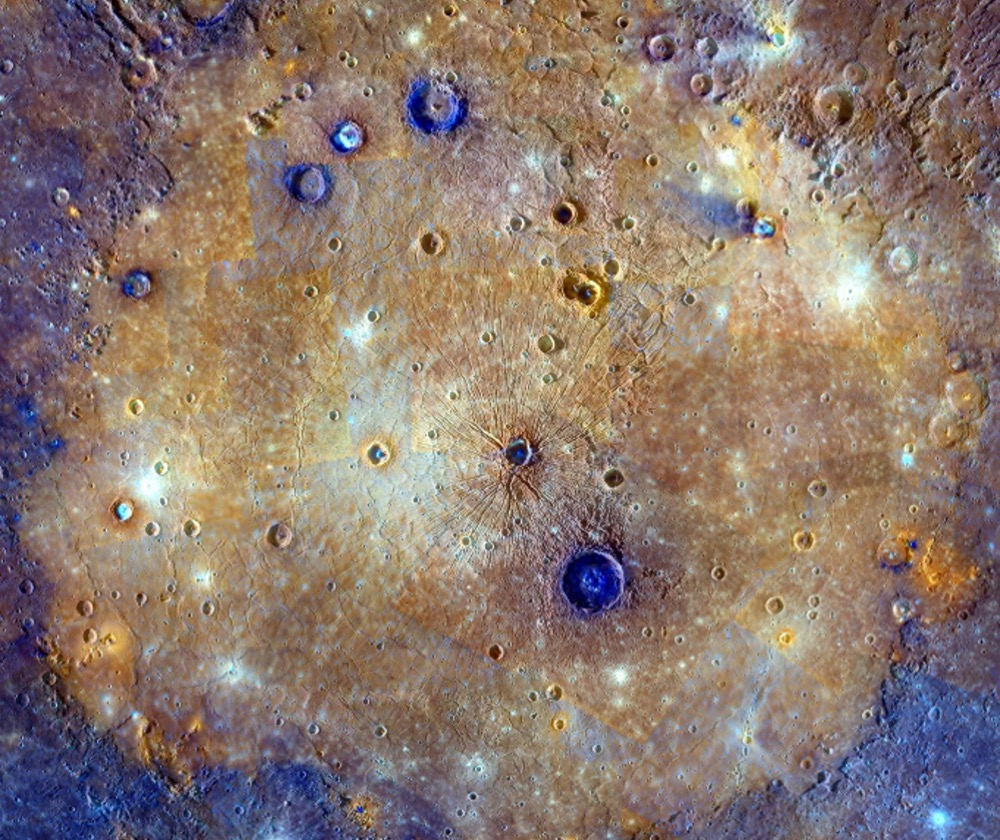
Salt may have carved out Mercury’s terrains, including glacierlike features
January 4, 2024
The surface might not be quite so terra firma, at least on geologic timescales Read more
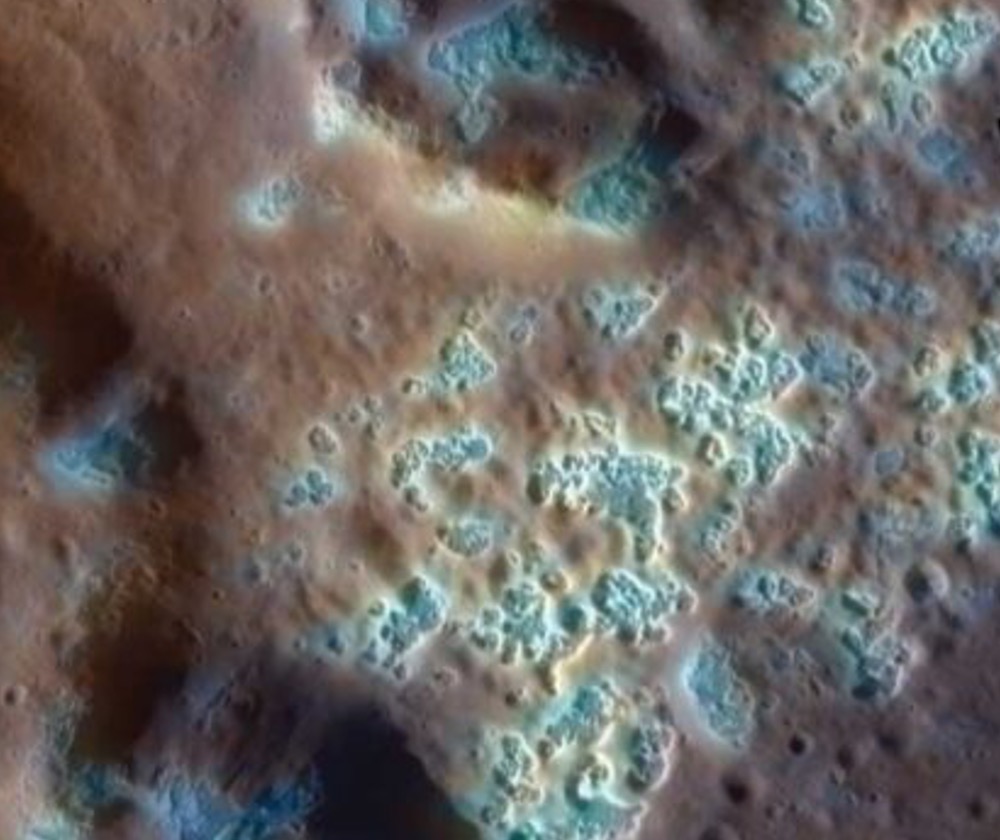
Are glaciers on Mercury a link to life?
December 28, 2023
Salty regions on the closest planet to the Sun may hint at extremophiles Read more
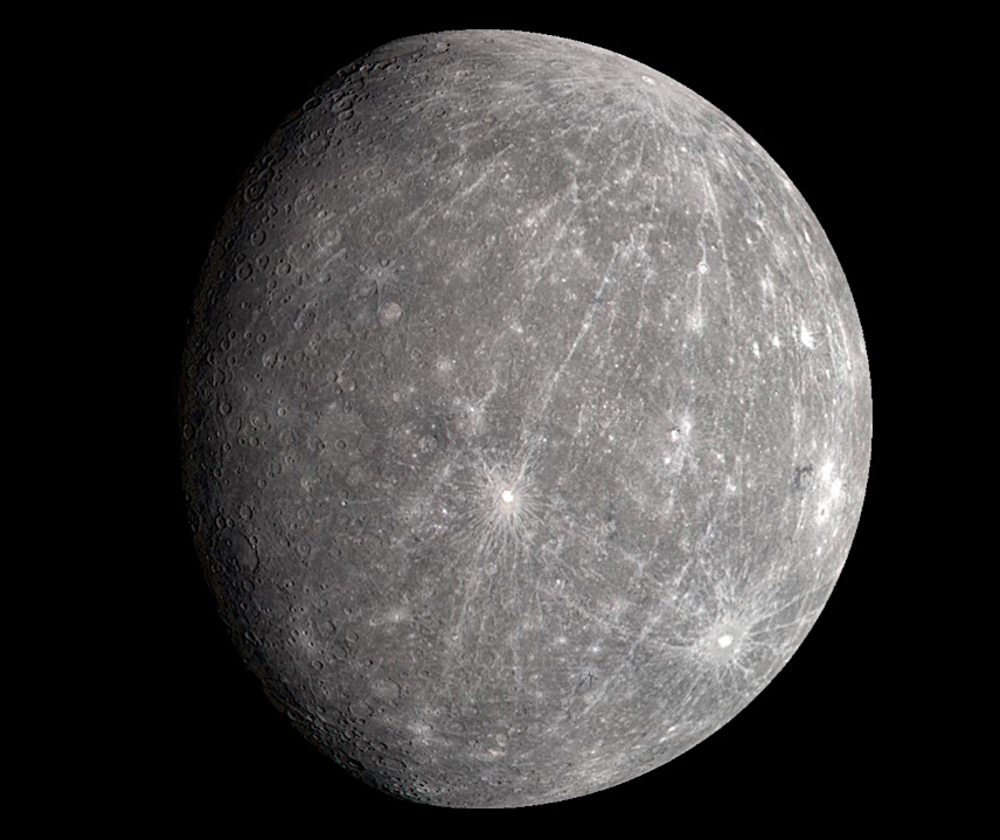
The origin of Mercury’s structure and chemical composition and their astrobiological implications
October 17, 2023
There's high concentrations of sulfur, carbon, potassium, sodium, and chlorine Read more
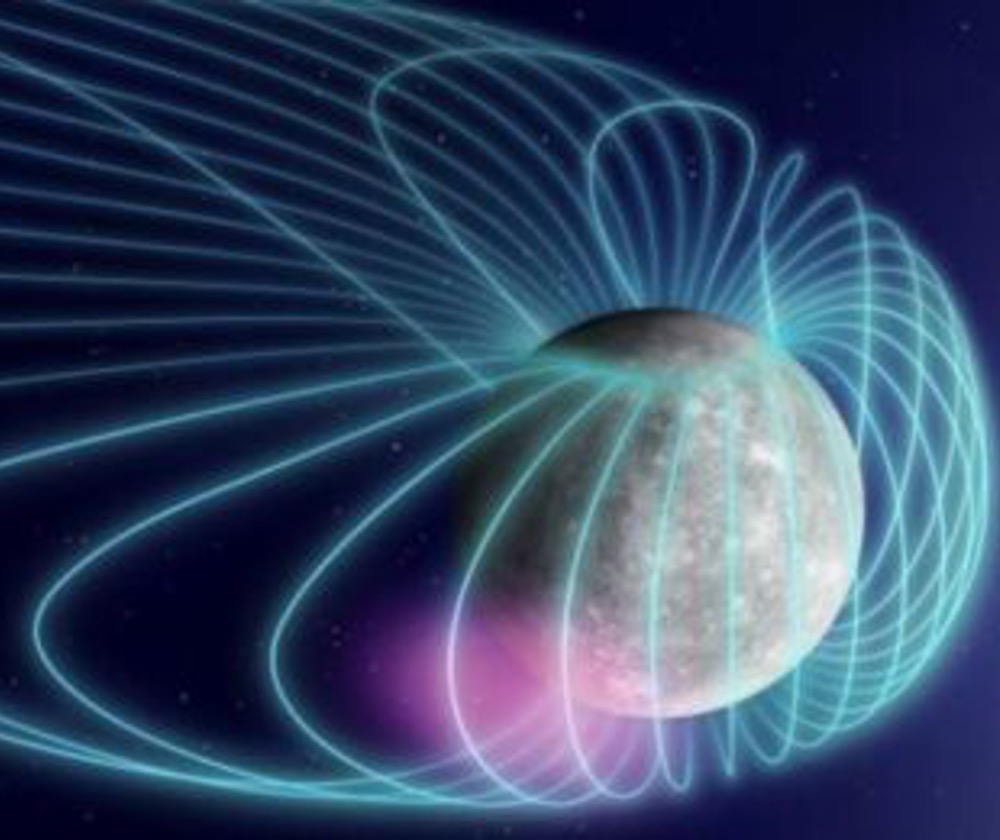
Mysterious 'singing' plasma waves detected around Mercury
October 16, 2023
Around planets that have a magnetosphere, something magical happens Read more
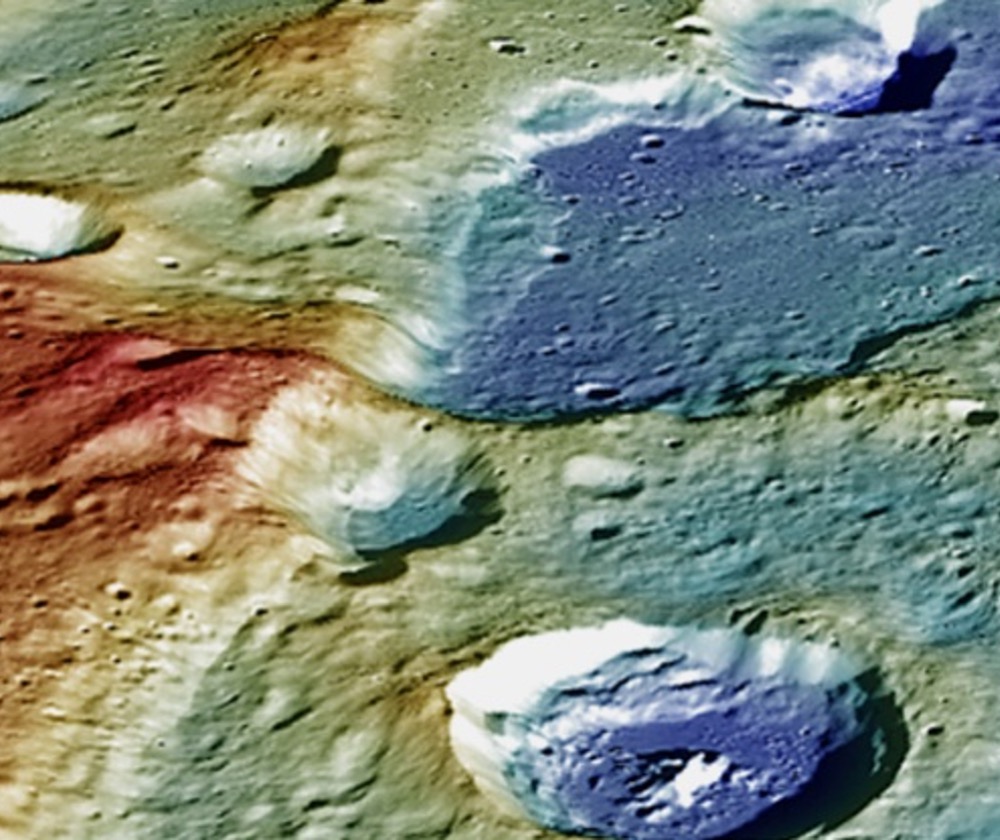
Mercury is still shrinking
October 14, 2023
Yes, Mercury’s surface is boiling, but the interior isn’t Read more
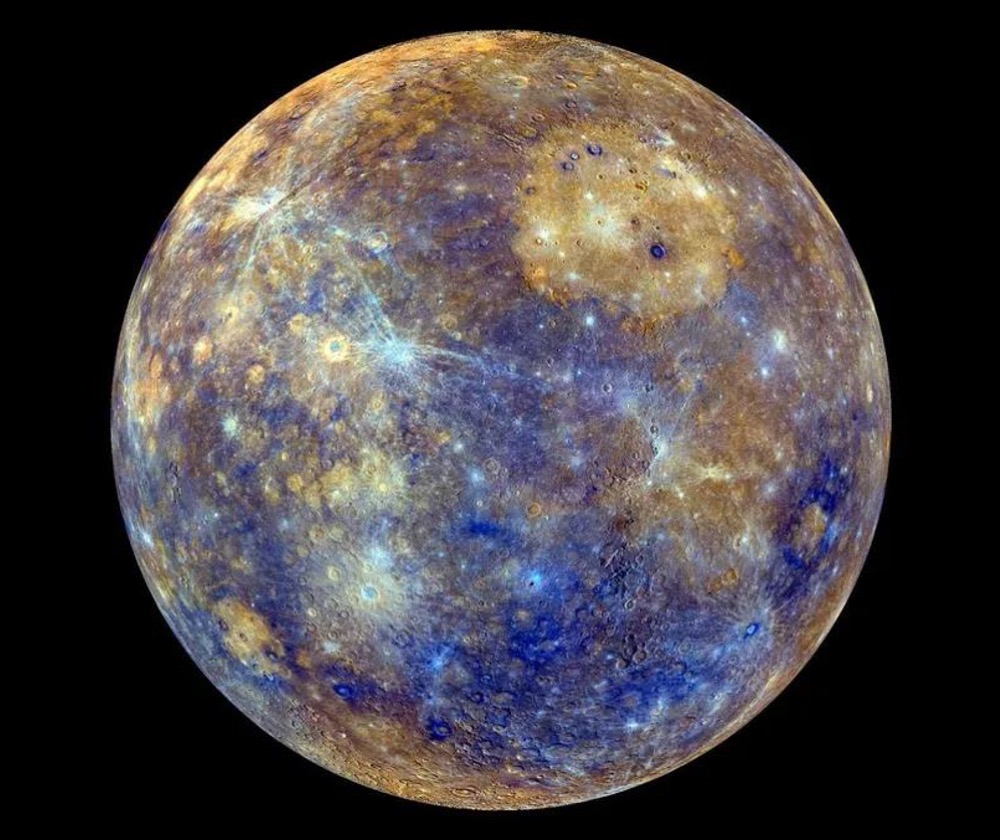
Mercury’s surface and atmosphere mapped by solar wind study
September 17, 2023
It's the first to examine the impact on the surface in terms of geographic location Read more
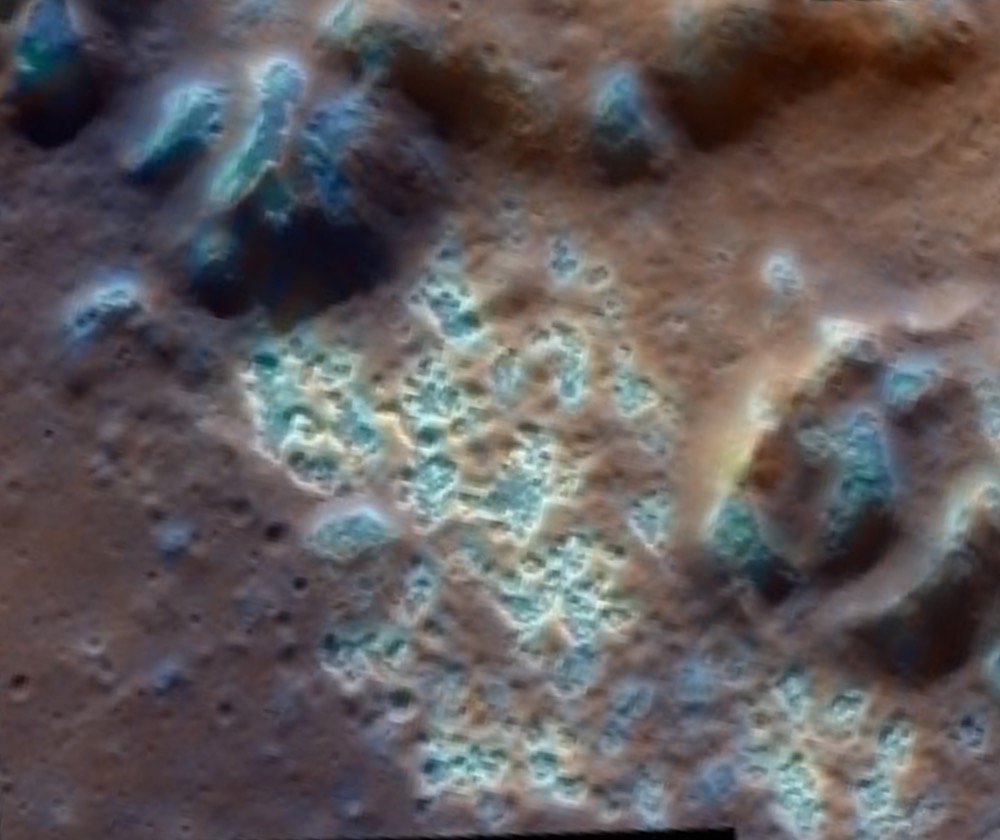
The mysterious origins of Mercury’s hollows might answer bigger questions
September 5, 2023
Enigmatic vapors that waft from the lowlands Read more
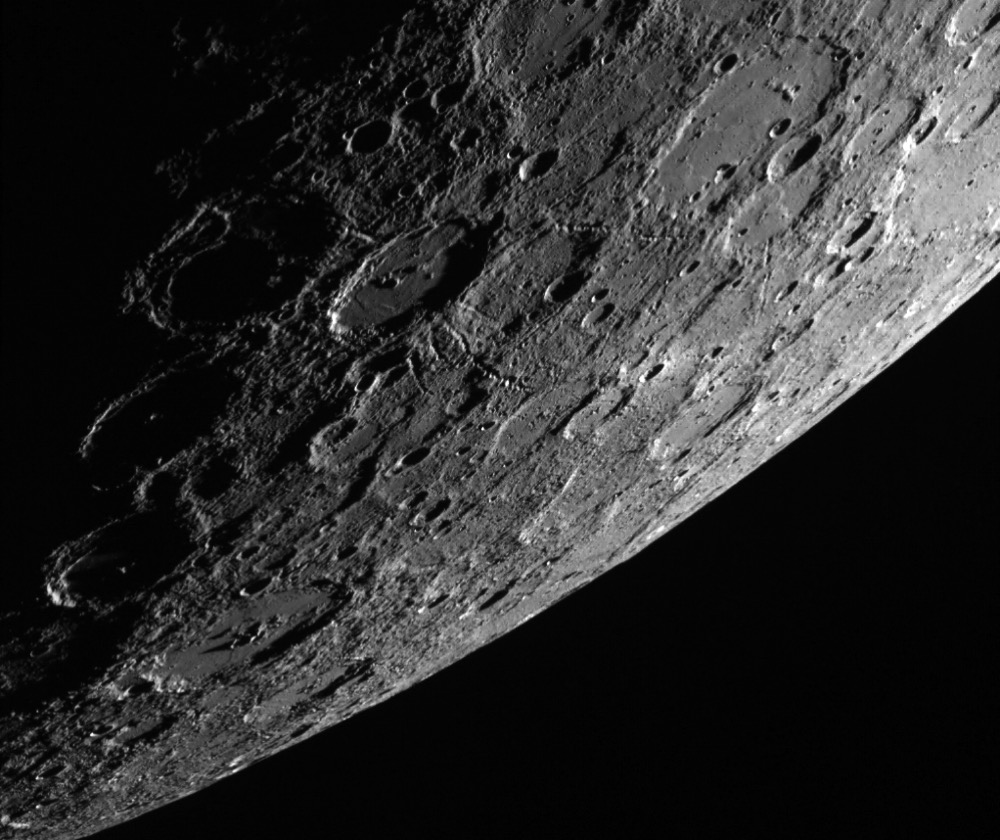
Cumulate overturn on Mercury may have produced varied mantle source regions
August 8, 2023
Its composition suggests it is an endmember case for magma ocean evolution Read more
Fascinating Facts About Mercury
- The Sun appears more than three times as large in Mercury's sky as it does from Earth, and sunlight is about 11 times brighter.
- It takes Mercury 59 Earth days to rotate once around its axis. However, because this rotation is so slow compared to its orbit around the Sun, it takes 176 Earth days to go through one day/night cycle, which is twice as long as a year on Mercury.
- Mercury's craters are named after famous writers, artists, musicians, composers, and choreographers.
- Unlike all other major planets, Mercury has no atmosphere. Sunlight and meteor impacts create an exosphere, a diffuse cloud of gas around the planet made of oxygen, sodium, hydrogen, helium and potassium.
- Mercury has a tail, kind of like a comet. It has barely any magnetic field to protect it, so the intense solar wind blows some of its exosphere out into space.
- With no atmosphere to hold on to heat, temperatures plummit at night and in shadows. Water ice has been found at the poles at the bottom of deep craters that sunlight never reaches.
- Since Mercury’s orbit is within Earth’s orbit, it only appears in our sky near to the Sun, either just before dawn or just after sunset. It's very difficult to spot due to its small size, dark surface, position just over the horizon, and the sun-brightened sky around it.
Source: NASA
Missions
BepiColombo (2018)
A pair of orbiters that will study the surface, internal composition and magnetosphere of Mercury
MESSENGER (2004)
Imaged and mapped almost the entire surface of Mercury, measured the chemical composition of the rocks, and studied the interior
Mariner 10 (1973)
This was the spacecraft to fly by Mercury and image the surface up close